
The Corporación Latinobarómetro, headquartered in Chile, conducts an annual survey throughout Latin America.
The 2026 Latinobarómetro survey was carried out in 17 Latin American countries, from May 7th to June 17th of 2026. This was four months after the U.S. capture of Venezuelan leader Nicolas Maduro. Bear that in mind when you see the Venezuela results.
The 17 countries surveyed were Mexico, Guatemala, El Salvador, Honduras , Costa Rica, Panama, Dominican Republic, Colombia , Venezuela, Brazil, Peru, Ecuador , Bolivia, Paraguay, Uruguay, Chile, Argentina. With the exception of Portuguese-speaking Brazil, all are Spanish-speaking. Not included were Cuba and Nicaragua.
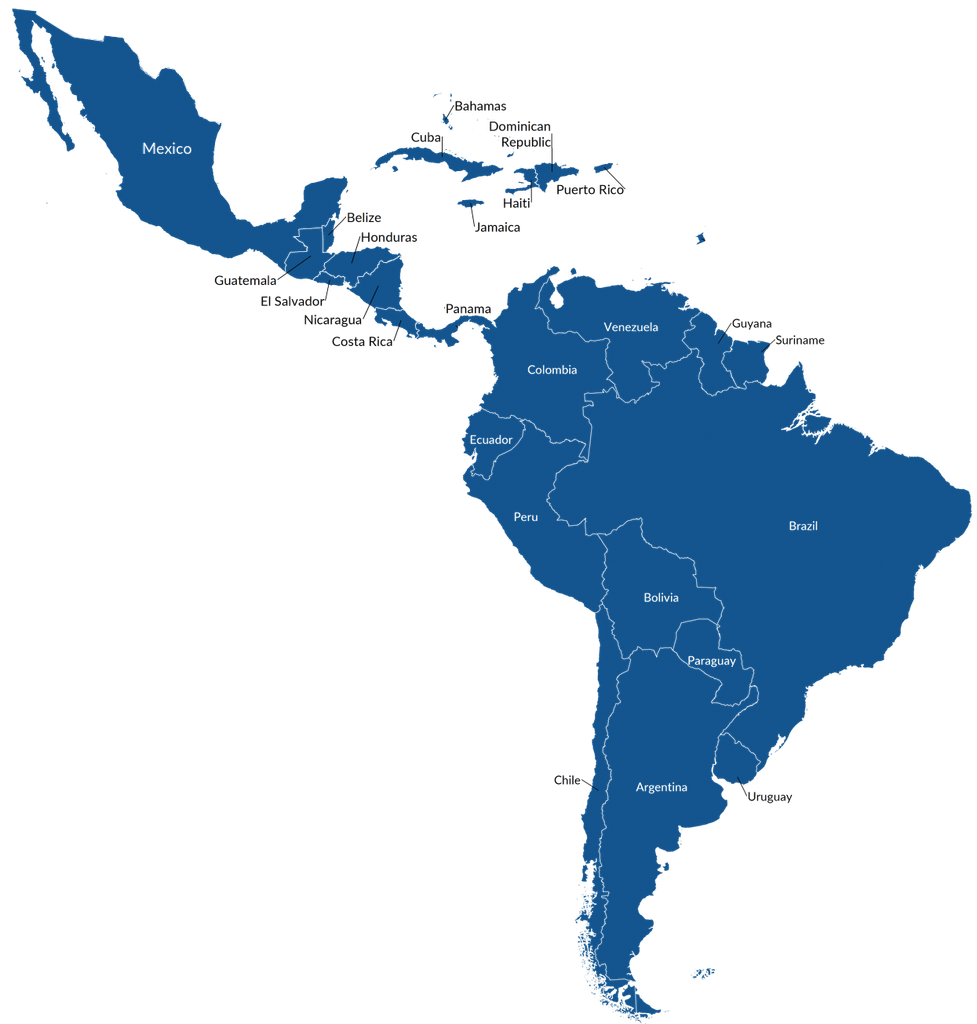
These were face-to-face interviews and 19,207 people were interviewed.
You can see the survey yourself here.
There is a lot of material in the Latinobarómetro survey, allow me to share some of the results. If you’d like to see more, go to the source.
GOVERNMENT
The very first question asked respondents to indicate which of the three following sentences they were in more agreement with:
1. “Democracy is preferable to any other form of government. ”
Across Latin America, 52% agreed.
2. “In some circumstances, an authoritarian government can be preferable to a democracy.” Across the region, 17% agreed.
3. “To people like me, a democratic or non-democratic government makes no difference.” Across Latin America, 26% agreed.
Breaking that question down by countries, the country where the most people agreed with “Democracy is preferable to any other form of government” was Argentina at 73%, the country with the lowest percentage agreeing was Guatemala with 35%. In Mexico, the percentage agreeing was 45%.
Respondents were asked a set of questions about their satisfaction with public services: police, judicial system, public hospitals, public schools. In Mexico it came out like this:
Police 22%
Judicial System 27%
Public Hospitals 36%
Public Schools 49%
The Latin American country with the highest approval of all 4 government services was the Central American nation of El Salvador, with 75% approval of the police, 57% of the judicial system, 51% of public hospitals and 76% of public education.
In a question about each country’s congress/parliament, respondents were asked if they feel politically represented in that national legislative body. The highest percentage was in El Salvador at 35%. Mexico’s was 25%.
Another set of questions asked respondents about their confidence in various institutions in their countries. In Mexico 55% had confidence in the Church, 53% in the Electoral Institution, 50% in the Military, 40% in the President, 40% in the radio, 34% in Newspapers, 32% in Television, 30% in Social Media, 29% in the Government, 29% in Congress, 28% in the Judicial Power, 26% in the Police, 23% in the Unions, 18% in Political Parties.
WHERE DO YOU GET YOUR INFORMATION ABOUT POLITICS?
Another question asks where respondents get their information about politics. Throughout Latin America, Television was the winner at 49%, Facebook came in at #2 with 35%, and Family was #3 at 32%. Internet was #4 at 31%, Radio and Friends tied for #5 at 24%.
FALSE INFORMATION and FREEDOM OF SPEECH
Now here’s a real zinger. Respondents were asked to choose between these two statements:
- “It is necessary to control the publication of false information although this limits Freedom of Expression.” Across Latin America, 61% agreed with this statement.
- “Freedom of Expression should be guaranteed regardless of the circulation of false information.” Across the region, 35% agreed with this statement.
SEVEN COUNTRIES
Respondents were asked about 7 countries, and whether each was a democracy, an authoritarian regime, or a dictatorship. Here are the 7 countries and the results from across Latin America.
1. Cuba – 77% believe it is a dictatorship/authoritarian regime and 11% believe it’s a democracy
2. Venezuela 73% say authoritarian regime/dictatorship and 15% say democracy
3. Nicaragua 56% say authoritarian regime/dictatorship and 17% say democracy
4. El Salvador 38% say authoritarian regime/dictatorship and 43% say democracy
5. Paraguay 26% say authoritarian regime/dictatorship and 43% say democracy
6. The United States 41% say it’s an authoritarian regime/dictatorship and 49% say democracy
In Mexico, 31% say the U.S. is a democracy, 27% say the U.S. is an authoritarian regime and 23% say the U.S. is a dictatorhip.
In Venezuela, 67% say the U.S. is a democracy, 16% say it’s an authoritarian regime and 9% say it’s a dictatorship. That 67% was the highest democracy rating for the U.S.
RELATIONS WITH THE UNITED STATES
Respondents were asked to rate their country’s relations with the United States. In Costa Rica, 89% said rather good or very good. That was the highest rating, followed by Dominican Republic and Chile at 88%, El Salvador at 86%, Ecuador at 80% and Venezuela at 74%. Mexico had the lowest perception of good relations with the U.S., at 50%.
Respondents were also asked about their country’s relationship with China and the European Union. Chile rated Chilean-Chinese relations at 90% rather good or very good. The same country’s respondents rated relations with the European Union at 74% rather good or very good. Those were the highest ratings for relations with China and the European Union.
For Mexico it was 61% rather good or very good relations with China and 51% with the European Union. That means that Mexican respondents think Mexico has better relations with China than the United States, and a little better relationship with the European Union than with the United States.
Respondents were also asked if they have very favorable, somewhat favorable, somewhat disfavorable or very disfavorable opinions of the following: the United States, China, European Union, Russia, Ukraine, Israel, Venezuela, Palestine, Iran. Here are the overall Latin American opinions of very favorable or somewhat favorable of each:
United States 63%
China 59%
European Union 58%
Russia 39%
Ukraine 35%
Israel 30%
Venezuela 27%
Palestine 25%
Iran 20%
Breaking it down by countries, the Dominican Republic had the highest very favorable or somewhat favorable opinion of the United States at 81%. Venezuela was at #2 with 76%.
Mexico was at 47%.
DONALD TRUMP
What about Donald Trump? How is U.S. President Donald Trump seen in Latin America?
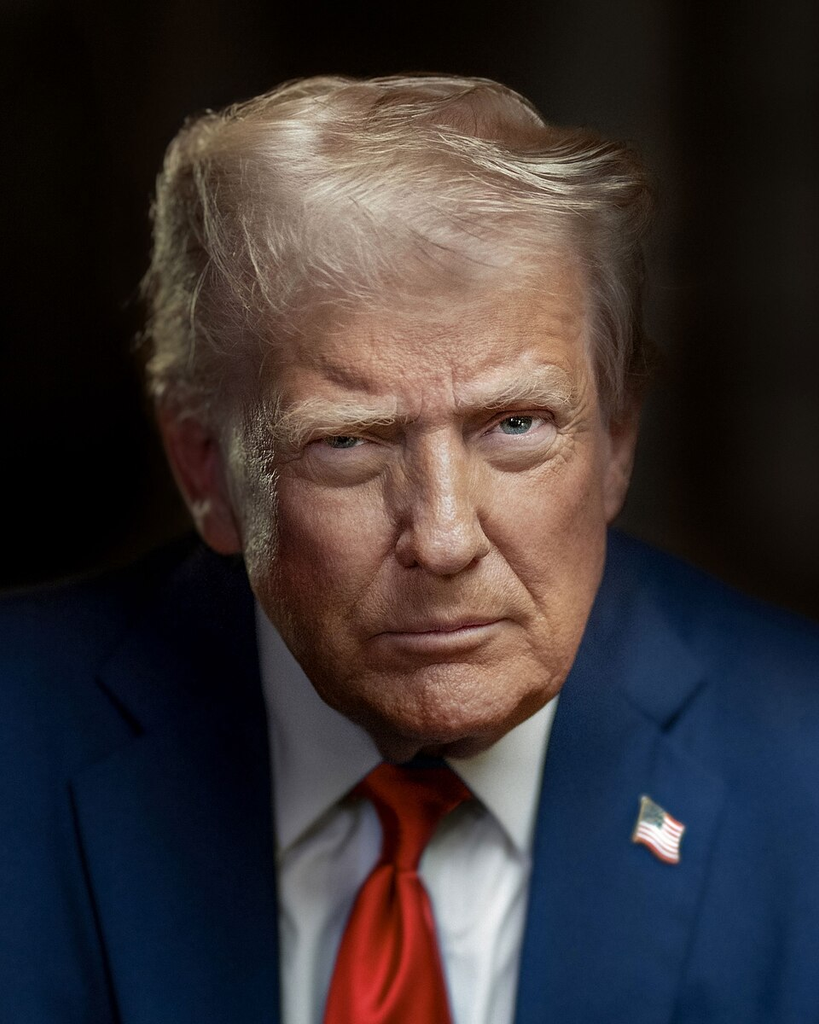
Source: White House Facebook
.jpg)
This survey asks respondents to rate Trump on a scale of 0 to 10, with 0 as very bad and 10 as very good.
Trump received his highest ratings from the Dominican Republic and Venezuela. Both gave Trump a 6.2, not that high, but by school standards, a passing grade. The Mexican respondents gave Trump his lowest rating, at 2.8. The Latin American average was 4.7.
Then there was another, related question: “Do you approve or disapprove of the manner in which the President of the United States is conducting international affairs?”
Venezuela gave Trump the highest rating, at 61%, and Mexico and Uruguay gave Trump the lowest rating, at 18%. Mexico gave Trump a 79% disapproval rating and Venezuela gave Trump a 33% disapproval. The Latin American average was 34% approval and 59% disapproval.
THE UNITED STATES – POSITIVE OR NEGATIVE INFLUENCE?
When asked if the U.S. had a positive or negative influence, the highest positive rating was given by the Dominican Republic, at 79%, followed by Venezuela at 76%. The highest negative rating was from Mexico, at 62%. Venezuela had the lowest negative rating at 19%. The Latin American average was 57% positive, 37% negative.
CHINA – POSITIVE OR NEGATIVE INFLUENCE?
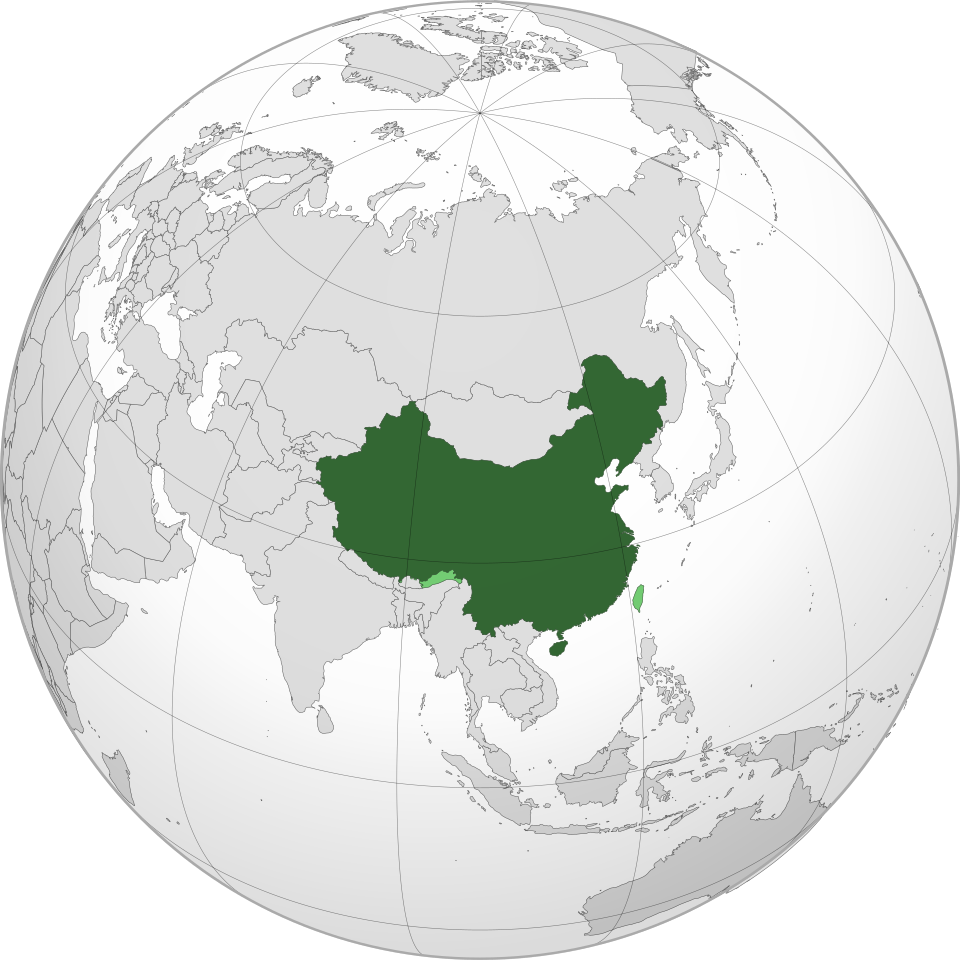

When asked about China, the Latin American average was 65% saying China is a positive influence and 26% saying it’s a negative influence. Among the Mexican respondents, 65% said China is a positive influence, 26% said it’s a negative influence. (The Mexican results were the same as the Latin American average.) Venezuela had the lowest positive rating on Chinese influence (53%, still a majority) and the highest negative rating (40%).
WORLD IMPACT OF TRUMP POLICIES
The Mexican respondents gave it a 79% negative rating and an 18% positive rating. For Venezuela it was 63% positive and 30% said negative. The Latin American average was 38% positive and 55% negative.
THE CAPTURE OF NICOLAS MADURO BY THE UNITED STATES
Latin American respondents were asked if they were in agreement or disagreement with the capture of Maduro by the United States on January 3rd, 2026.

Source: U.S. Military

Among the Costa Ricans, 89% agreed with it, the highest agreement level on that question. In fact, of the 17 countries polled, 16 of them had an agreement level of 50% or higher. (The country with the 50% was Mexico.) Argentina had a 47% agreement percentage and a 45% disagreement percentage. Mexico had a 40% disagreement rate. The Latin American average was 69% agreement and 24% disagreement. Venezuela, the country where it actually occurred, had a 69% agreement percentage. That’s interesting.
Does the capture of Maduro help or harm Venezuela? The percentage of those who said it helps was 58% in Costa Rica, 54% in the Dominican Republic, and 47% in Venezuela. Mexico had the lowest help percentage at 20%, while 51% of Mexicans said it harms Venezuela, the highest harm rating. In Venezuela, only 18% says it harms their country. The Latin American average was 35% help, 29% harm and 28% who say it neither helps nor harms.
THE US EMBARGO ON CUBA
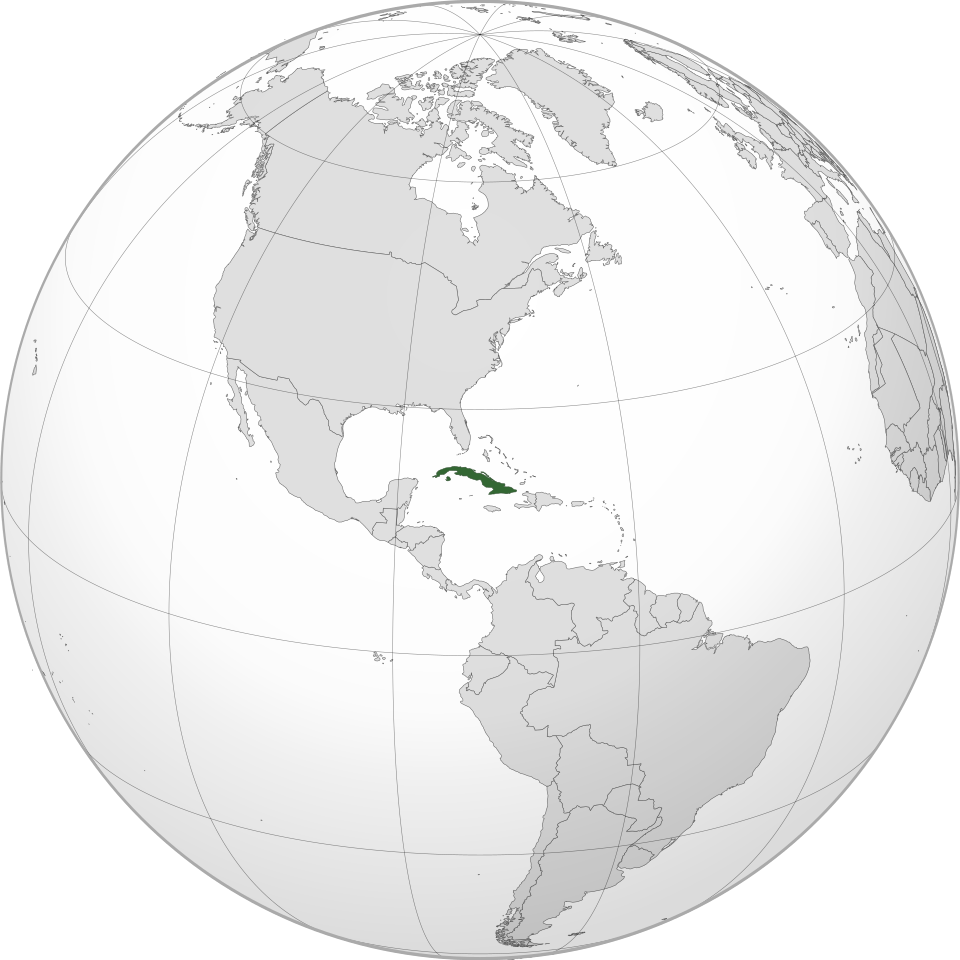

Among respondents of Cuba’s Caribbean neighbor the Dominican Republic, 45% agreed with the embargo, while 68% of Mexican respondents disagreed. Only 19% of Mexicans agreed. The Latin American average was 34% agree, 50% disagree.
THE WAR OF THE U.S. and ISRAEL AGAINST IRAN

Only 16% of Latin American agree with it while 77% disagree. In Mexico it’s 7% agree and 89% disagree, the highest disagreement rate. The highest agreement rate is the Dominican Republic at 25% and a tie between Venezuela and Costa Rica at 24%.
DEPORTATION OF ILLEGAL ALIENS TO THEIR COUNTRY OF ORIGIN
The question was based on a scale of 1 to 10, with 1 as deportation is never justified and 10 is it’s always justified. Chile voted 7.2 and Mexico voted 5.1. The Latin American average was 5.7.
The next question is specifically about the United States. It’s another 10-point scale, with 1 being it’s never justified and 10 it’s always justified. Chile rated the question at 7 points. Ecuador, Mexico and Venezuela gave the U.S. its lowest permission to deport illegal aliens, with 4.7. The Latin American average was 5.4.
ORGANIZED CRIME
This question asks the perceived power of organized crime in each country. With one exception, the majorities of all countries believe organized crime has much power in their respective countries. For Costa Rica, 94% believe this, the highest figure. In Mexico it’s 88%. The only exception is El Salvador, where only 28% believe organized crime has a lot of power.
Another question is about the fight against drug trafficking and organized crime. There are three questions:.
1. Is your country winning the battle against drug trafficking and organized crime?
2. Is your country losing the battle against drug trafficking and organized crime?
3. The battle against drug trafficking and organzized crime can’t be won.
The majority of respondents from only one nation, at a 75% percentage, believe they are winning the battle against drug trafficking and organized crime.
That nation is El Salvador.
As for Mexico, only 18% believe they are winning, 39% believe they are losing, and 38% believe it’s a war that can’t be won.
Another question asks if the respondents know of or have heard of criminal groups where they themselves live. In Ecuador, 47% responded in the affirmative (the highest), in Mexico it was 32%, in Venezuela it was 7%, the lowest. The Latin American average was 29%.
There is plenty more there, take a look here if you like.