
Stats Globe has published a map on Twitter X entitled “The Main Companies of Mexico”. Here is the map, you can see how many companies you are familiar with:
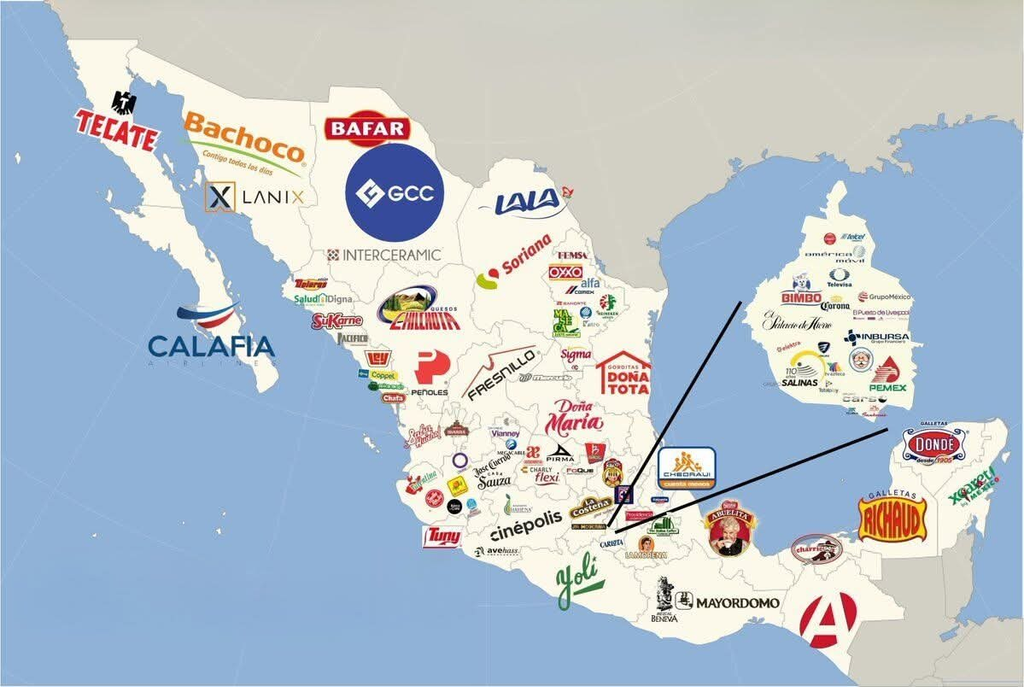
There’s Soriana (a Wal-mart style chain), LaLa (a milk company), Oxxo (convenience store chain), Coppel (department stores, finance), Peñoles (mining and metallurgy), Cinépolis (movie theater chain), Chilchota (cheese), Cemex (cement), Grupo Bimbo (bakery company), PEMEX (government oil company) and many others.
What about Calafia, in the southern part of the Baja California peninsula? As some commenters in the thread point out, Calafia Airlines no longer exists. It ceased operations in 2023 and its permits were revoked in 2025.
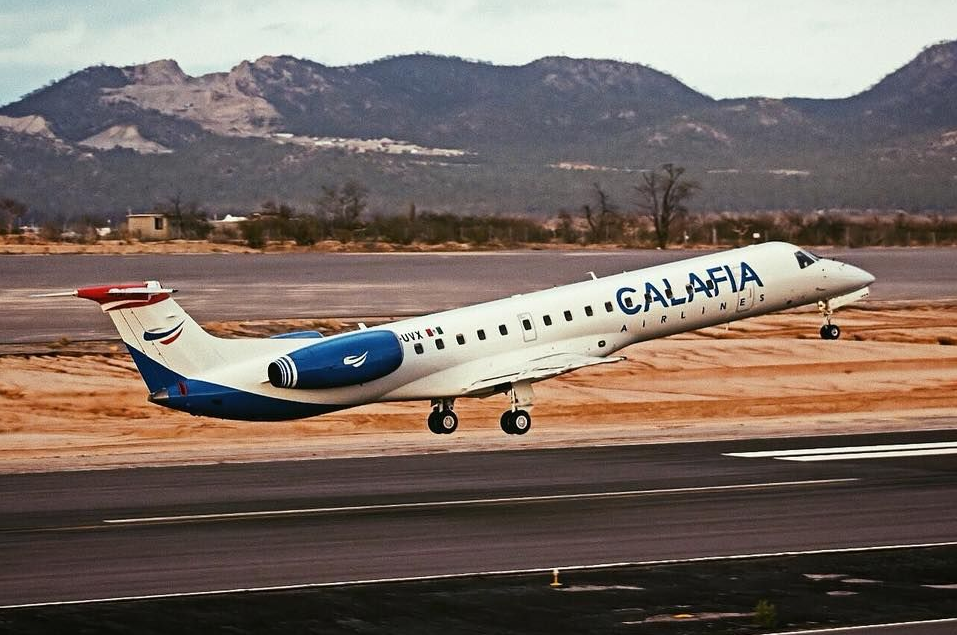

Nevertheless, there’s an interesting history behind the name “Calafia”. It goes back to a work of fiction by Garci Rodríguez de Montalvo published in Spain between 1492 and 1510, entitled Las sergas de Esplandián.
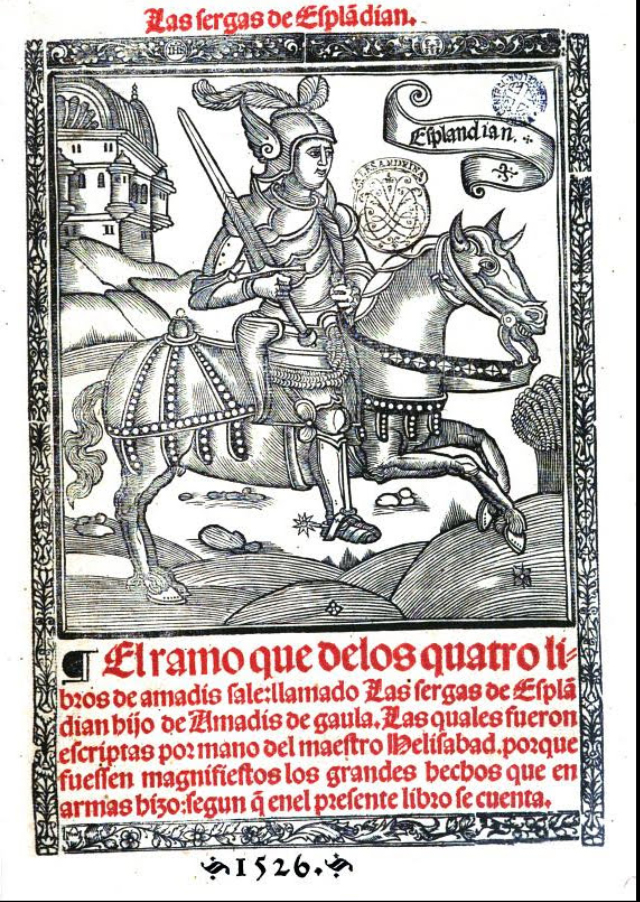
Source: google.com

This fictional book describes an island inhabited only by women, dark-skinned Amazons, and the name of that island was California.
When the Spaniards were exploring western Mexico they discovered a peninsula which for a time they believed was an island. They called that land California after the island in the book. Eventually they discovered it wasn’t an island but a peninsula, but the name stuck, even being applied to the region north of it.
Nowadays, Alta California (Upper California) is the U.S. state of California, while Baja California (Lower California) is the Mexican peninsula.
So California and Baja California are named after a fictional land from a Spanish fiction book. And the Calafia Airlines were named after Calafia, the fictional queen of California in that book.
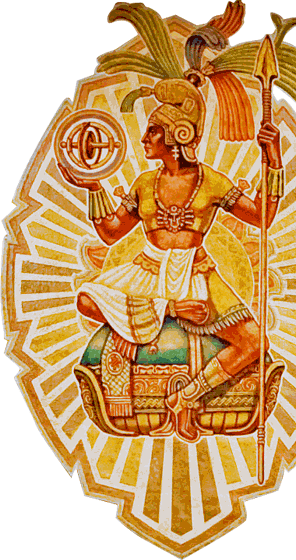
Queen Calafia Rendition, 1937
On Mural by Lucile Lloyd
in California State Capitol
Source: California Capitol Museum
.gif)
Too bad about the airline.