Every nation needs its symbols, traditions and celebrations. Such things affirm a nation’s identity and pass its traditions to the next generation. That’s why national holidays are important.
Mexican Independence Day is the most popular Mexican patriotic holiday. It’s not the same as Cinco de Mayo, which is actually a minor holiday in Mexico. (See my article on Cinco de Mayo here).
Mexican Independence Day is Diez y Seis de Septiembre (the 16th of September). It celebrates the independence of Mexico, from Spain, in the early 19th century. As Independence Day approaches, one sees more Mexican flags of various sizes, being sold on street corners.
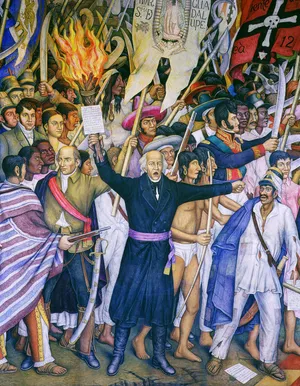
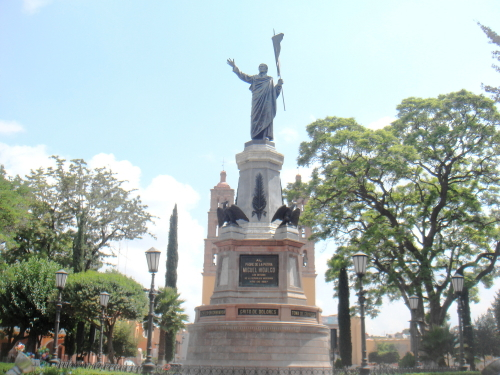
Mexican Independence Day really begins on the night of September 15th, at the traditional Grito observance. Grito means “shout” or “cry”. It commemorates the manner in which Miguel Hidalgo, considered the father of Mexico, publicly initiated what became the Mexican independence movement, in 1810.
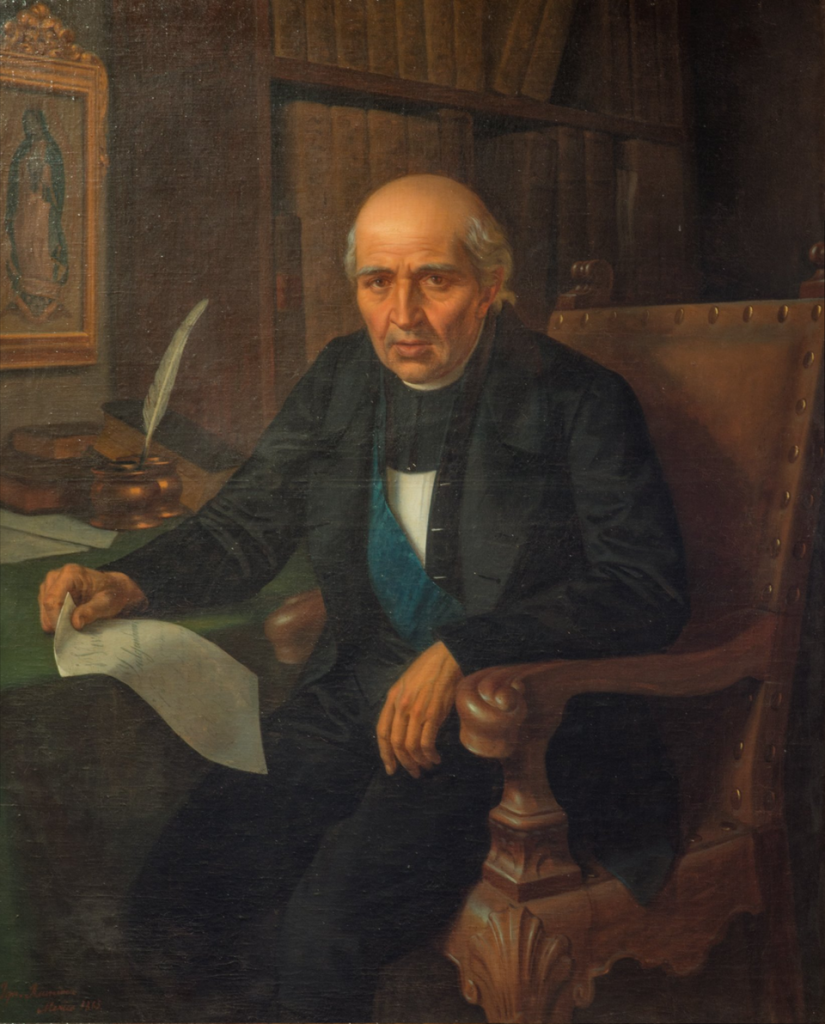
Source: Joaquin Ramirez, INAH
This was in the town of Dolores, now renamed Dolores Hidalgo, in central Mexico, in the province (now state) of Guanajuato. Hidalgo, a priest, gathered the people in front of the church on the plaza, where he gave a speech, rang the bell, and called the people to action.

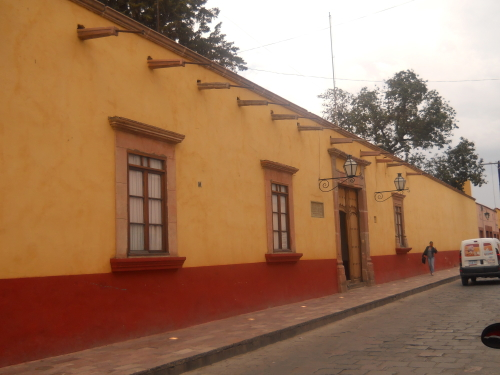
(Today, tourists can visit Dolores de Hidalgo, see the same church and tour Hidalgo’s house. (See Camino de Guanajuato).
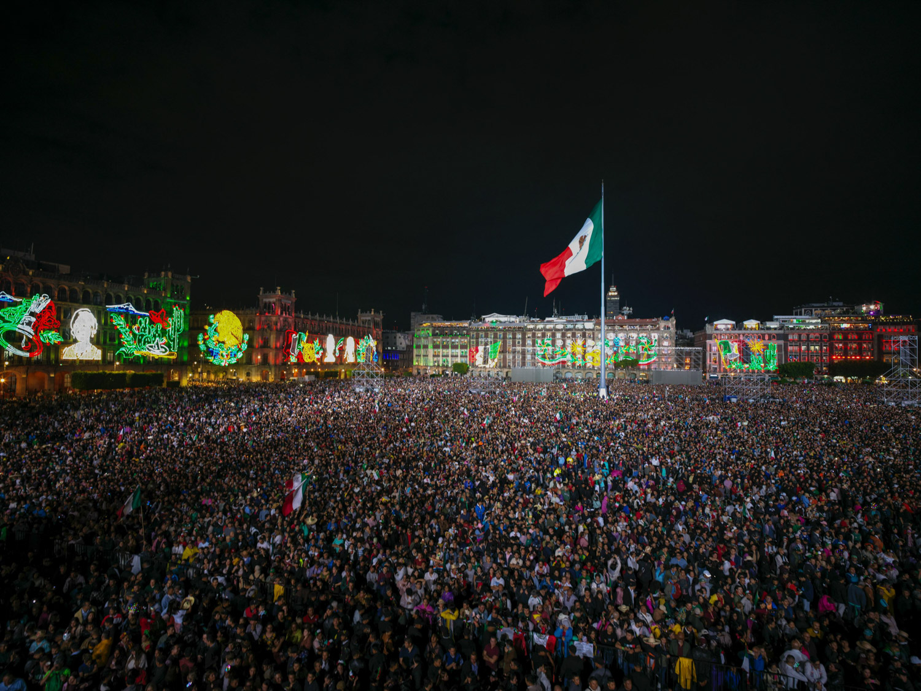
In commemoration of Hidalgo’s original Grito , the time-honored tradition is for Mexicans to gather in plazas in Mexican cities large and small. There are speeches and performances. At 11:00 p.m., the mayor, on the balcony, waves a flag and shouts Vivas in honor of Hidalgo and other Independence figures, and of course “Viva Mexico!” Then fireworks are detonated. In Mexico City the Grito is held at the Zocalo plaza and the president does the honors.
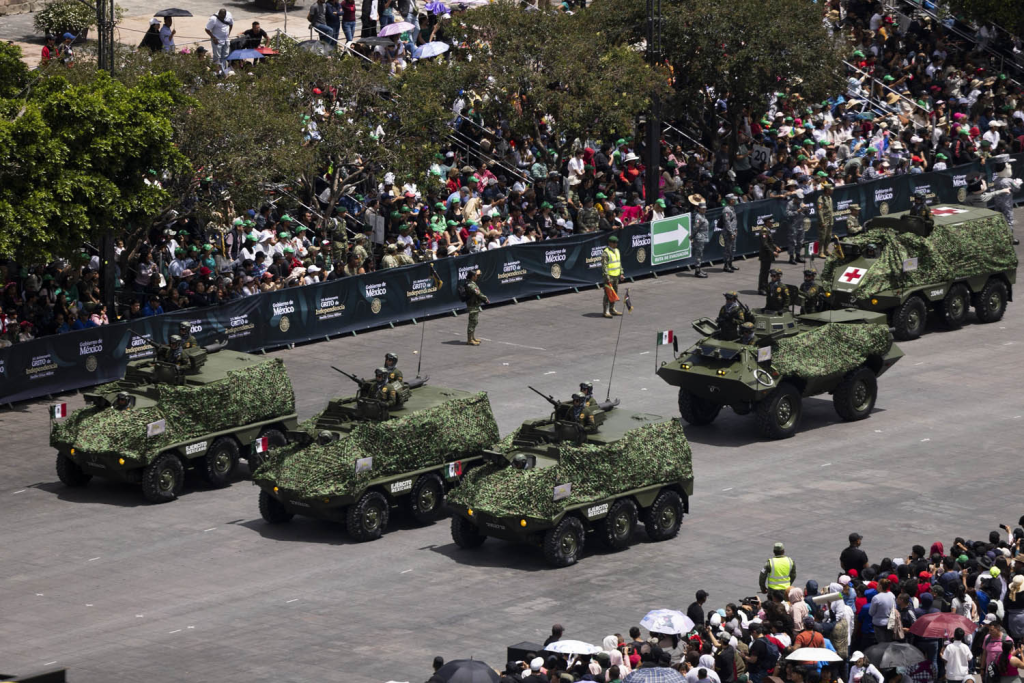
On the 16th, no school is held and there are parades, including a massive Mexican military parade in Mexico City.
The Mexican War of Independence lasted from 1810-1821, consisted of several phases and was led by men of different ideologies. It was also closely related to what was going on in Spain.
Before independence, Mexico was part of a vast Spanish Empire. In the Western Hemisphere it stretched from California to Tierra del Fuego in the southern extremity of South America.
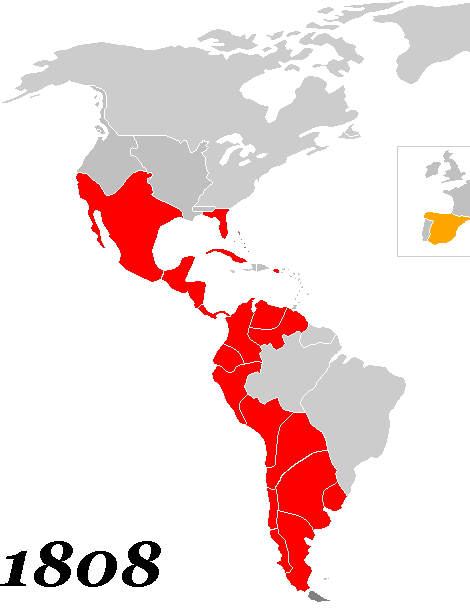

Meanwhile, back in Europe, in 1808, Spain was conquered by Napoleon. But if Spain was conquered, what then became of Spain’s empire?
Napoleon was famously disinterested in the Western Hemisphere, which is why he sold the Louisiana Territory to the U.S.
This situation created a power vacuum in the Spanish Empire, and nature abhors a vacuum. Napoleon indirectly triggered various independence movements throughout the Spanish Empire.
In Mexico, Miguel Hidalgo’s insurgency, which began in 1810, was not officially directed against the deposed Spanish monarchy, but against the Spanish authorities who were then running Mexico. Hidalgo led the fight until he was captured and shot in 1811.
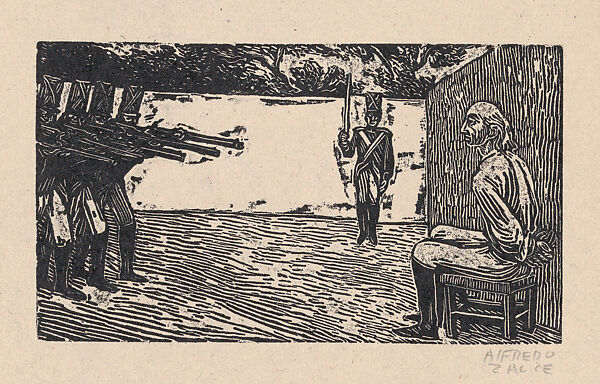
The leader of the next phase of the struggle was Jose Morelos, another priest, who had been a student of Hidalgo. It was during the Morelos phase that an independent Mexico became the concrete public goal of the insurgency .
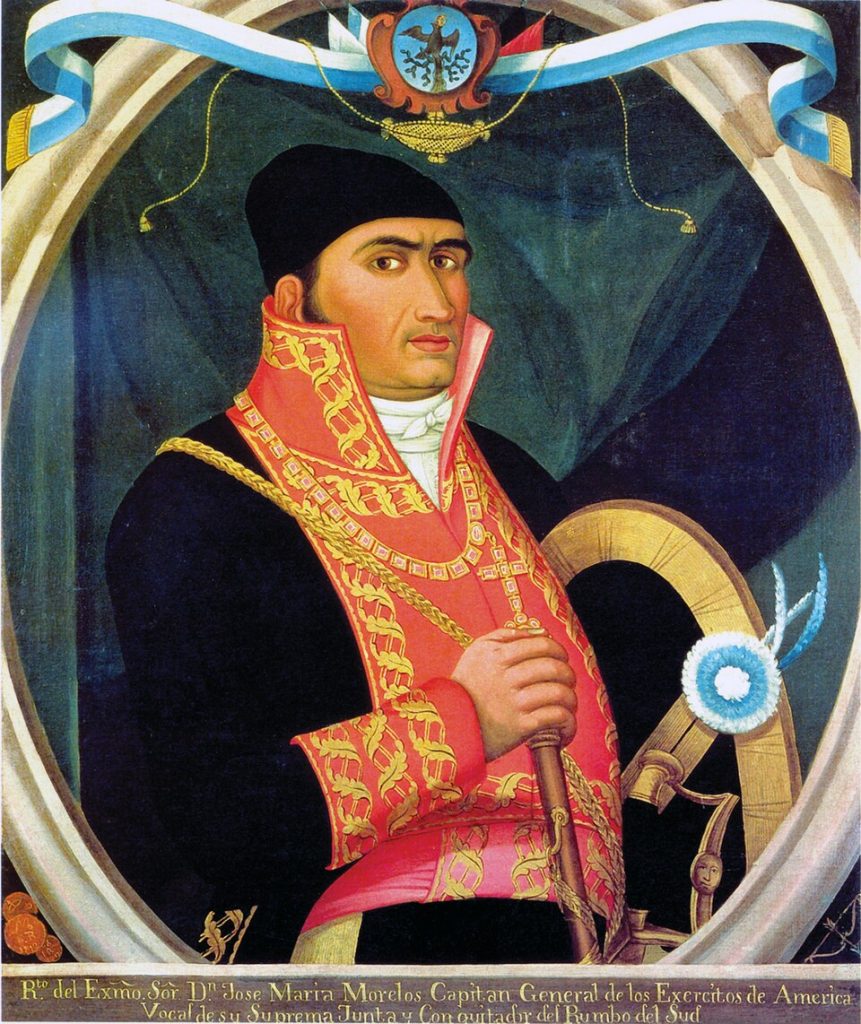
Source: Unidentified painter, Wikipedia

Morelos was captured and executed in 1815. By this time Napoleon had been driven out of Spain and the Spanish tried to retain their empire . But the damage had been done, and the Spaniards were soon to lose all their mainland possessions in the Western Hemisphere.
After Morelos’ death, Mexican guerrillas movements, led by Vicente Guerrero and Guadalupe Victoria and others, continued to resist the Spanish government. But they didn’t amount to much. Guadalupe Victoria’s movement fizzled out and Vicente Guerrero eventually led the only insurgent force in the field.
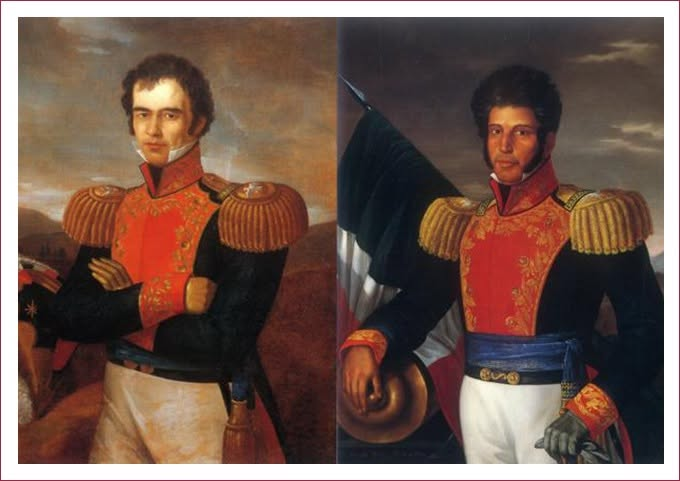
(INEHRM = Instituto Nacional de Estudios Históricos de las Revoluciones de México)
What really brought about Mexican independence was that the Mexican royalists themselves switched sides.
In 1820, a new government took power in Spain. Suddenly, the Mexican royalists, who were loyal to Spain and had been fighting the insurgents, decided they would rather rule an independent Mexico. So royalist General Agustin de Iturbide (who had been fighting the insurgents all these years) went to meet with guerilla leader Vicente Guerrero. They embraced at Acatempan, in the current state of Guerrero (named for Vicente Guerrero) and made a pact. They were now on the same side, both pro-independence.
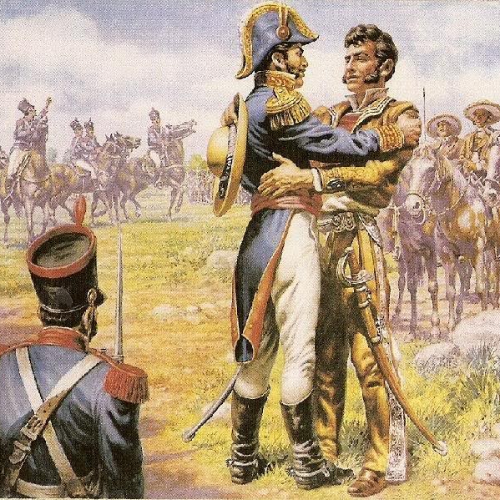
Source: time.graphics
In August of 1821, Juan O’Donojú, the Spanish viceroy in Mexico, recognized the independence of Mexico and signed the Treaty of Cordoba with Iturbide.
On September 27th, the combined army of Iturbide and Guerrero, the Army of the Three Guarantees, entered Mexico City.
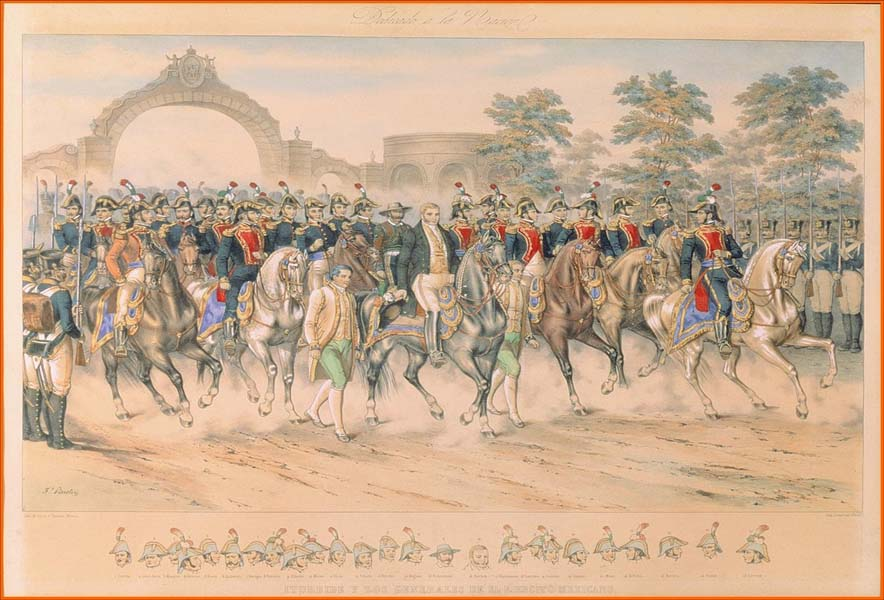
Source: Ramon Sagredo

On the 28th of September, an independent Mexico was officially declared. Here is the Mexican Declaration of Independence, ratified and signed on that day:
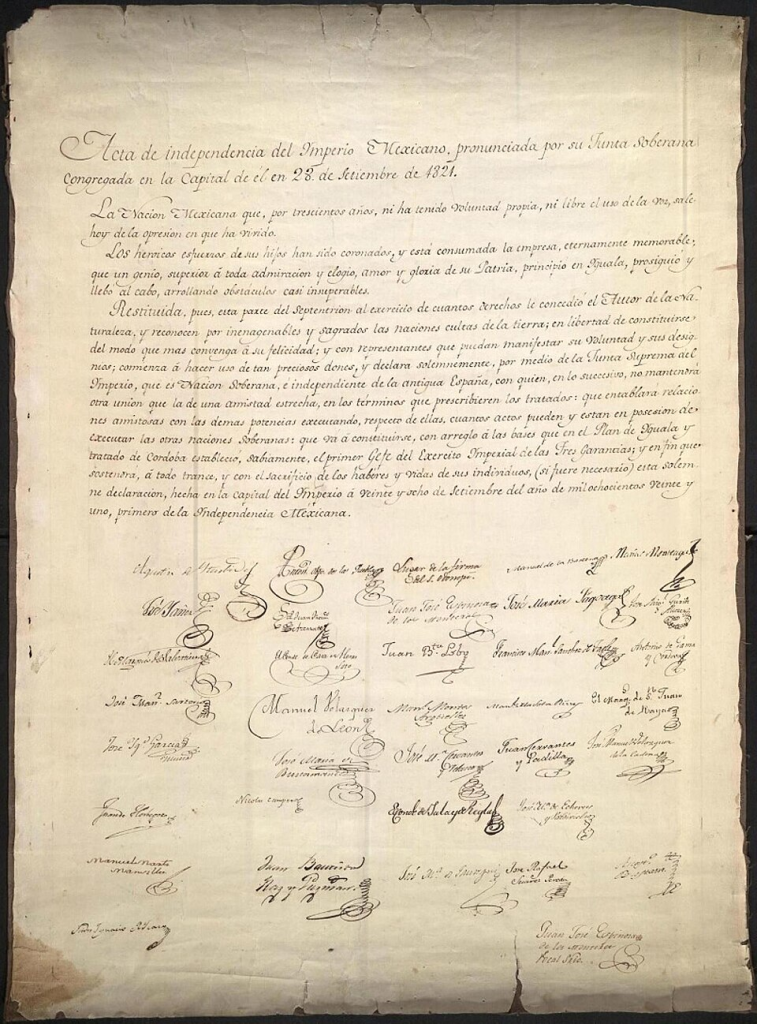
Mexican Declaration of Independence, 1821
Source: Archivo General de la Nación, photographed by Hpav
#/media/File:Acta_Independencia_Mexico_1821.jpg)
That’s how Mexico became independent in 1821.
To complete this article, here is a meme of a Chihuahua wishing you a happy Mexican Independence Day: