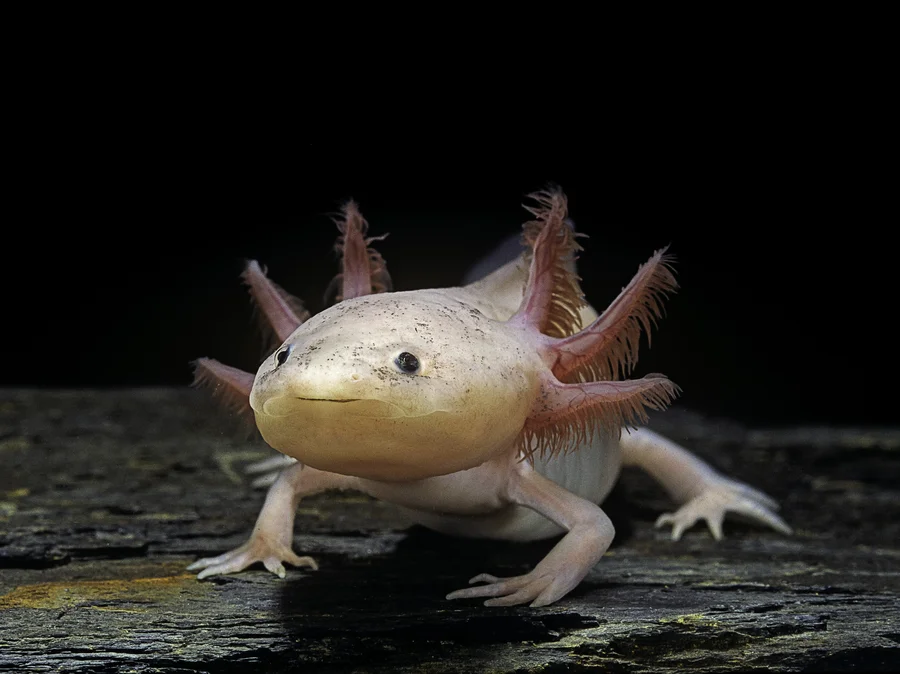
The Valley of Mexico is the home of a unique and fascinating creature known as the axolotl. Paradoxically, this animal is critically endangered in its natural habitat but widely common throughout the world.
The axolotl (Ambystoma mexicanum) is a type of salamander native to lakes and wetlands in the Mexico City area.
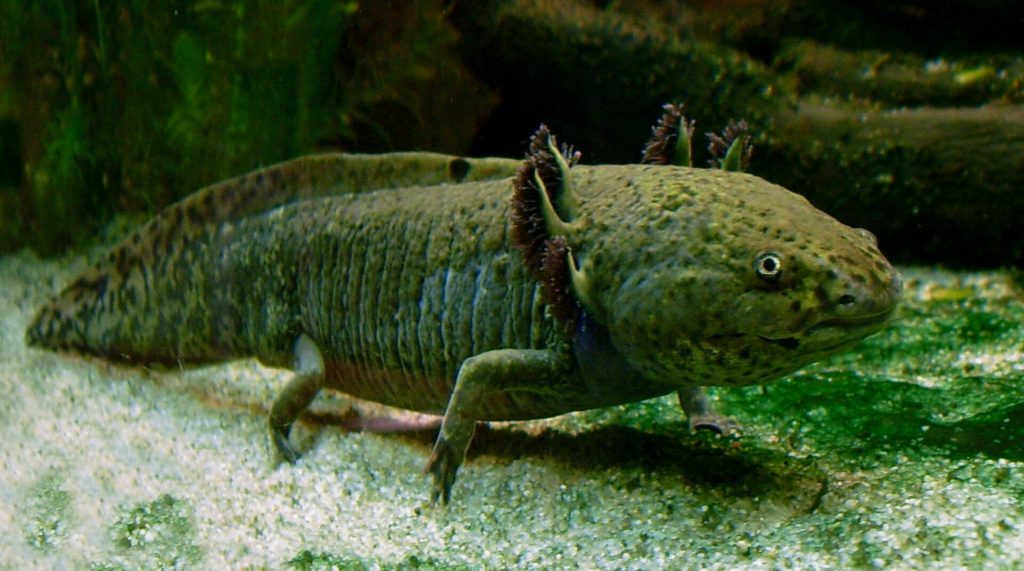

The name “axolotl” derives from Nahuatl, the language of the Aztecs and kindred tribes. It means “water monster”.
The size of a mature axolotl ranges from 6 to 18 inches. A length of 9 inches is the most common. Average weight is about 10 and a half ounces. Its life expectancy is 10-15 years.
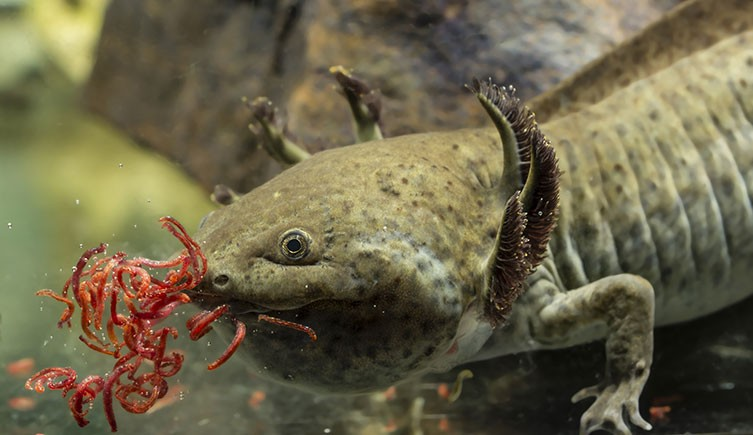
The axolotl is a carnivore, consuming worms, water bugs and insect larvae, small fish, other salamanders, arthropods such as crayfish, and mollusks. They smell their prey, snap it then suck it into their stomachs.
The axolotl genome is about 10 times the size of the human genome, although the amount of proteins is not that much greater (23,251 vs. about 20,000).
Unlike most other amphibians, the axolotl does not undergo a metamorphosis, as for example when a tadpole changes into a frog. The axolotl lives in the water its whole life, it can breathe outside of water for only a short time. There are rare exceptions but most axolotls do not undergo metamorphosis.
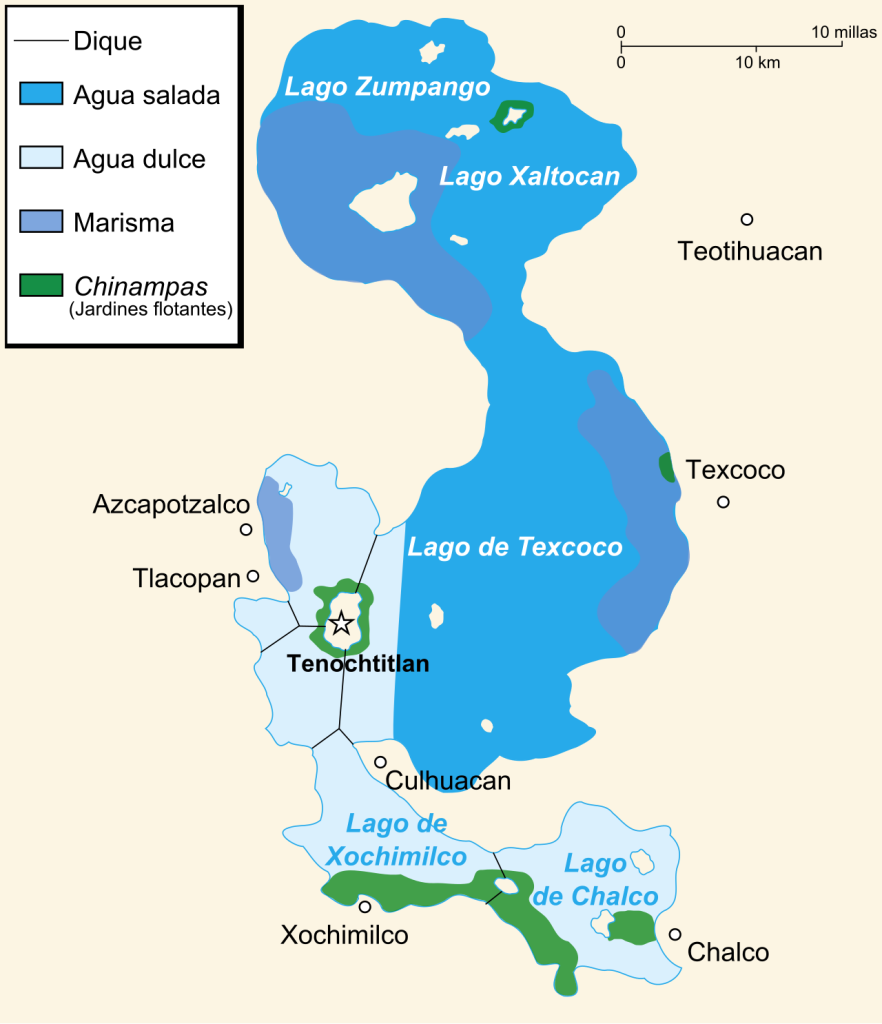
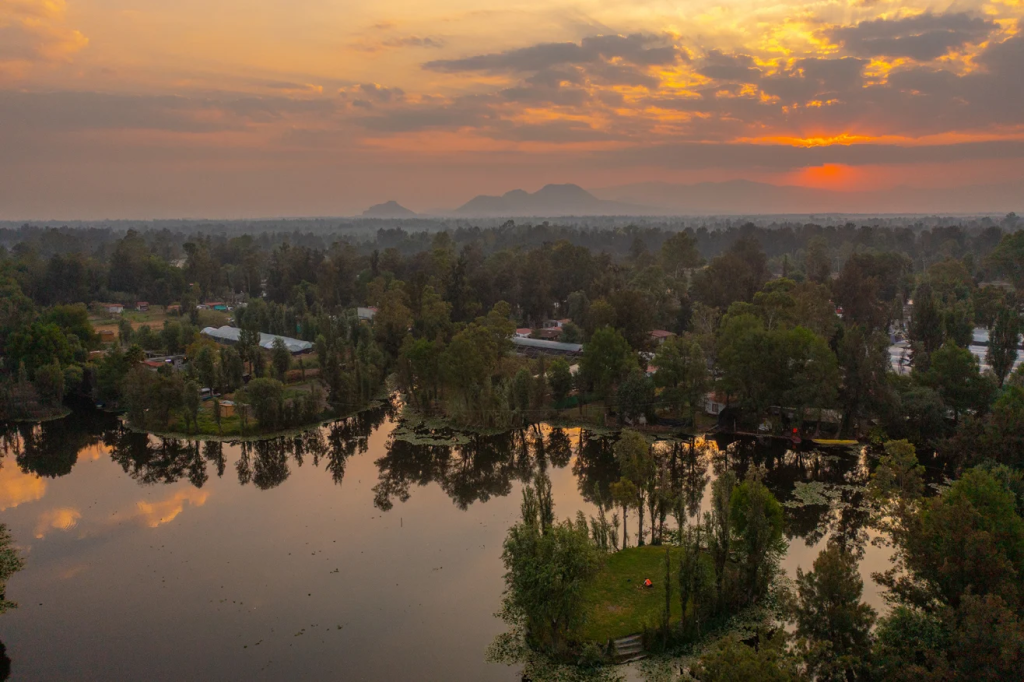
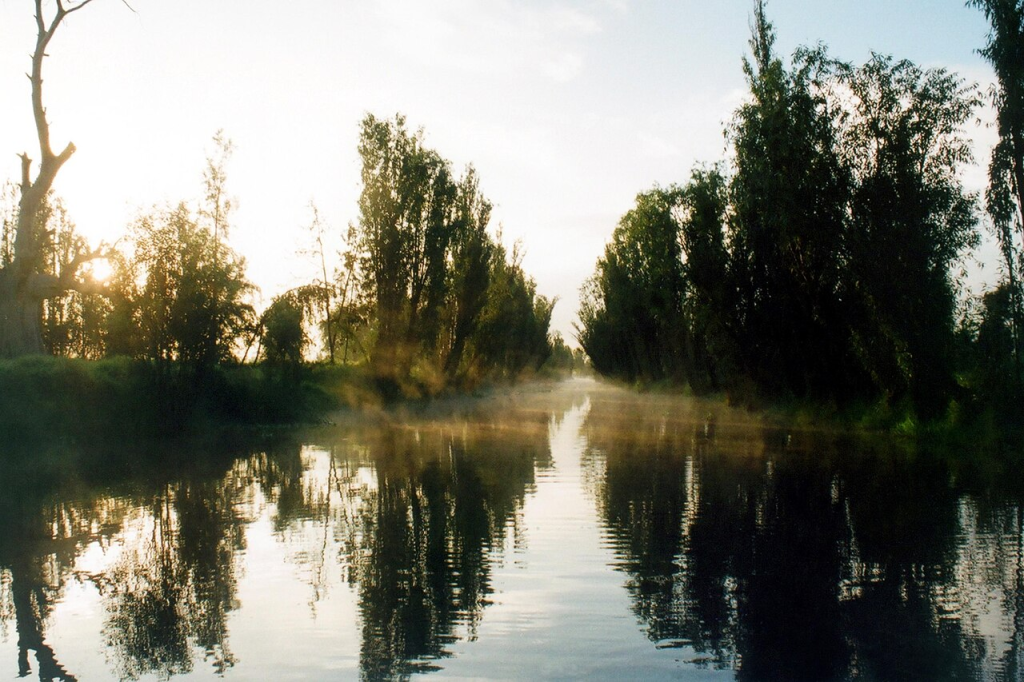
Mexico City was built on a complex of lakes. Over the centuries the lakes have mostly been filled up by urbanization. Therefore, there aren’t many axolotls left in their native habitat.

Besides the loss of their habitat, the axolotl population is also threatened by the presence of invasive fish species (tilapia and carp) which eat young axolotls and compete for the same food. Plus, pollution of the water is a problem.
It’s been estimated that there are somewhere between only 50 and 1000 axolotls left in much-reduced lakes Xochimilco and Chalco in southern Mexico City, also in an artificial lake at Chapultepec Park.
_2.jpg)
Outside of its native area, however, there are my axolotls all over the world: in aquariums, zoos, laboratories and belonging to private collectors, as it is an exotic pet. The first axolotls exported from Mexico were in 1863, when 34 live specimens were sent to Paris. Since then, genetic differences have developed between the wild and captive axolotls. It’s estimated that there are up to a million captive axolotls.
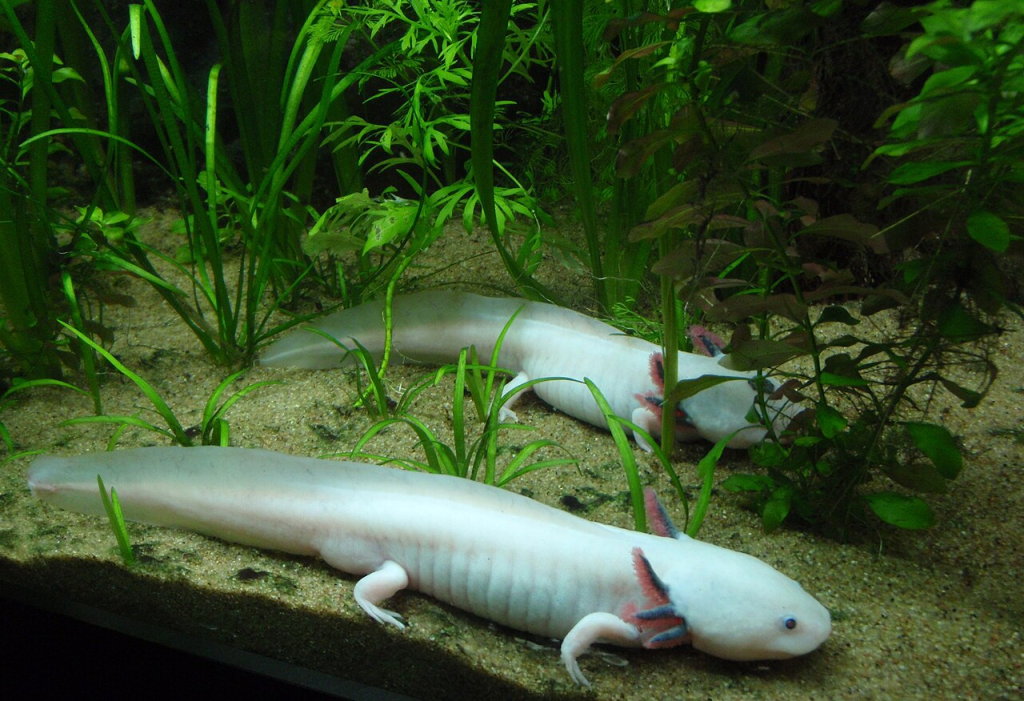

One fascinating thing about the axolotl is it can regenerate body parts and tissues. Here’s a photo of an axolotl regrowing a front limb:
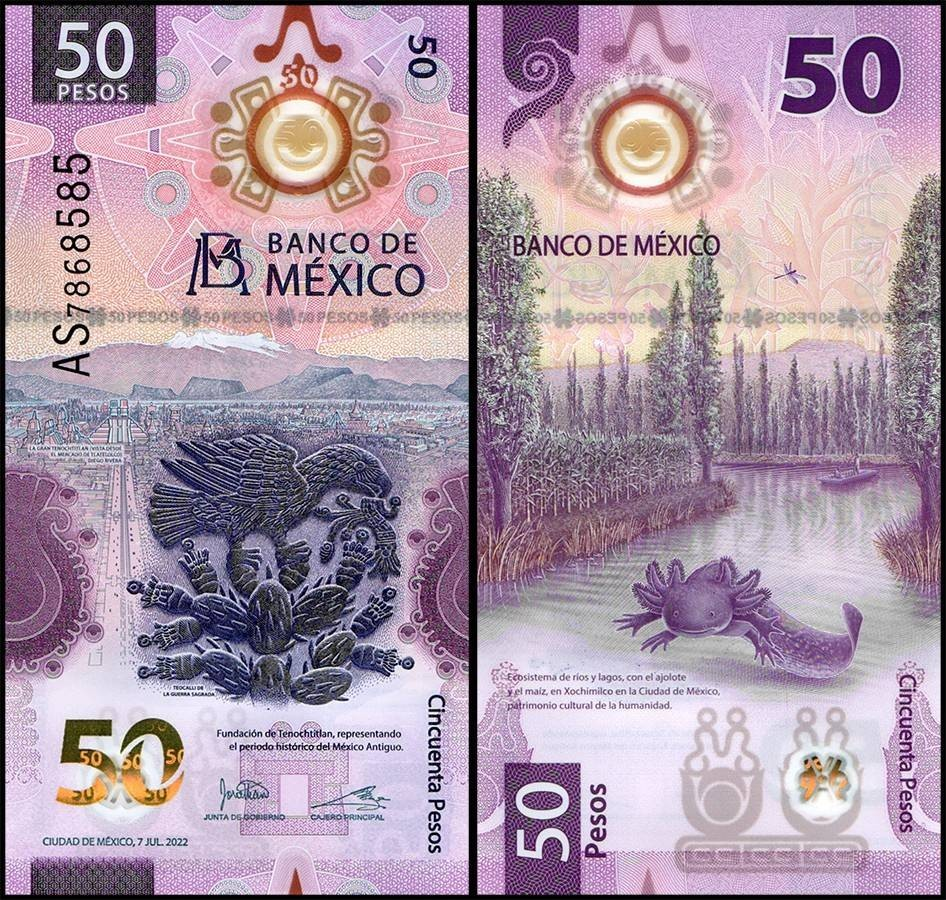
Here’s a current Mexican 50-peso bill. The front (left side below) portrays the foundation of Tenochtitlan (now Mexico City) in 1325. The back (right side) portrays an axolotl in Xochimilco. That bill received the “Bank Note of the Year Award” for 2021 from the International Bank Note Society.
There is a star in the constellation of Cetus named Axolotl.
The form of an axolotl has even been adapted into the Minecraft video game:


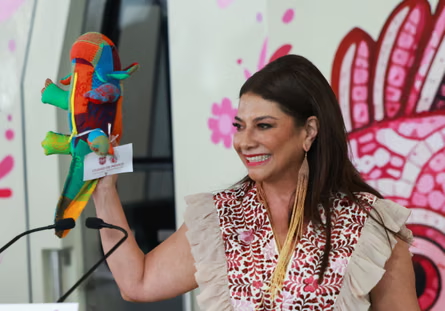
And, the axolotl has been chosen as the mascot for Mexico City during the upcoming World Cup. Here is Mexico City Mayor Clara Brugada holding up a stuffed axolotl.
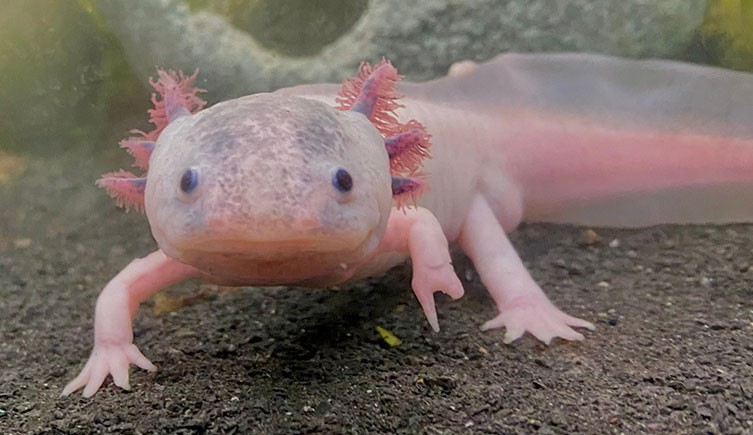
Here’s one more photo of an axolotl: