
How much does Mexico depend on remittances from the United States?
Remittances are funds sent by people from Country A working in Country B. They are sent back to families in Country A. Many countries have grown to depend on remittances.
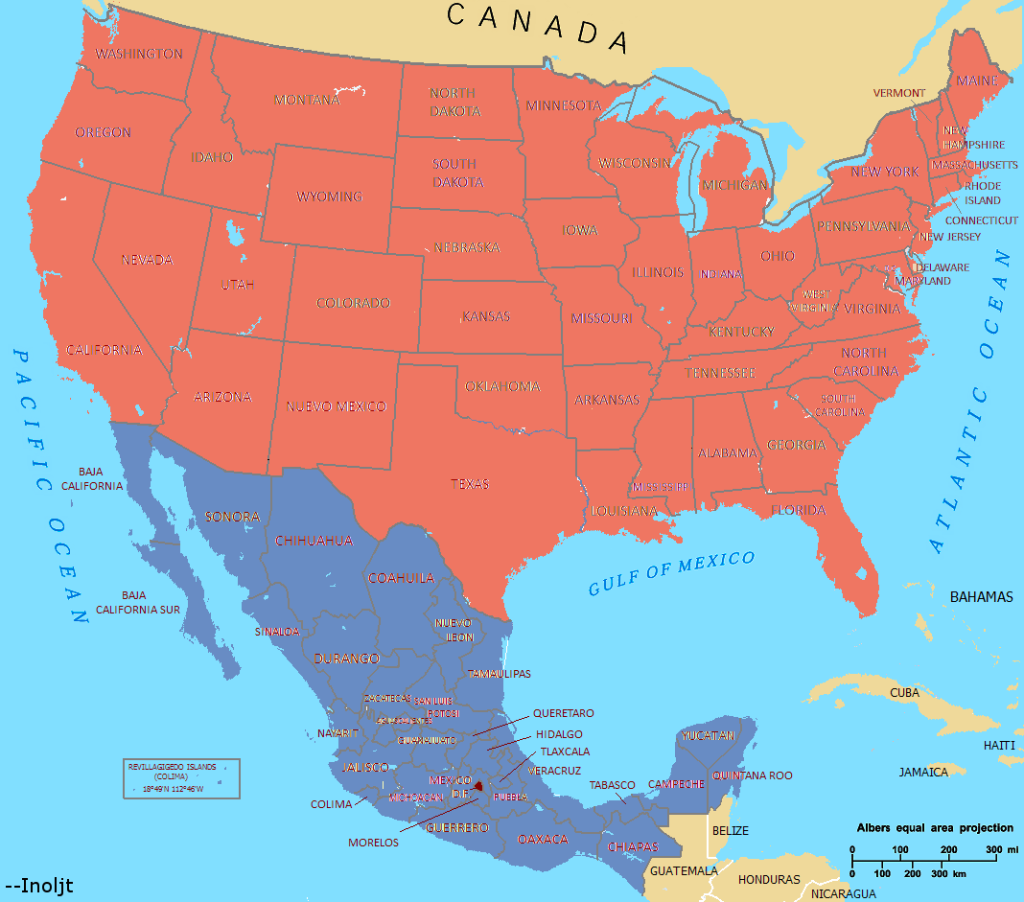
Mexicans working in the United States send remittances to their families in Mexico, not to the Mexican government. The family members spend the money in Mexico, so it does contribute to the Mexican economy.
Visual Capitalist has released a list of countries. It shows the percentage of each countries’ GDP (gross domestic product) contributed by remittances in 2024. See here.
In 2024, Mexico received over 60 billion dollars in remittances. Most of the remittance money was sent from Mexicans working in the U.S. That’s a lot of money, but since Mexico has a big economy, the remittance total was a small percentage of Mexico’s overall GDP (gross domestic product).
In 2024, 3.64% of Mexico’s GDP came from remittances.
If all the remittances dried up, it would decrease the size of the Mexican economy, but the economy wouldn’t collapse.
Furthermore, since 2024 the amount of remittances sent to Mexico have decreased.
U.S.-Mexican trade is a big sector of the Mexican economy, which is why President Sheinbaum wants to keep U.S. tariffs on Mexican products as low as possible.
But as for the remittances, they don’t form a very big percentage of the Mexican economy.
In Central America, however, it’s another story. Large percentages of some of their economies come from remittances.
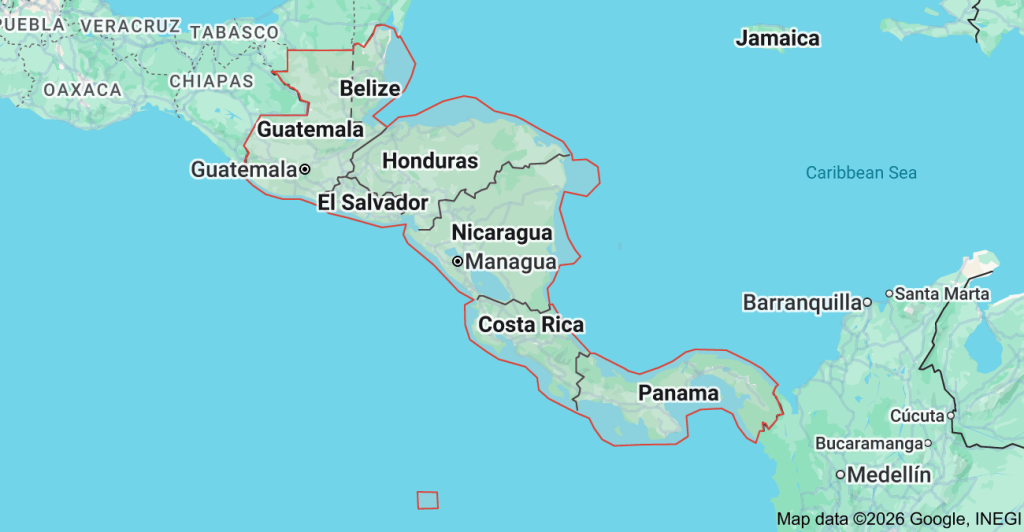
In the case of Nicaragua, 26.64% of its GDP derives from remittances. For Honduras it’s 25.7%. In El Salvador it’s 24%. For Guatemala it’s 19.12%.
That means that for Nicaragua, Honduras and El Salvador, each country owes about a quarter of its GDP to remittances. For Guatemala it’s about a fifth.
For Belize it’s 4.81%, higher than Mexico but not that much higher.
For Costa Rica it’s only 0.76% and it’s 0.61% for Panama, both much lower than Mexico.
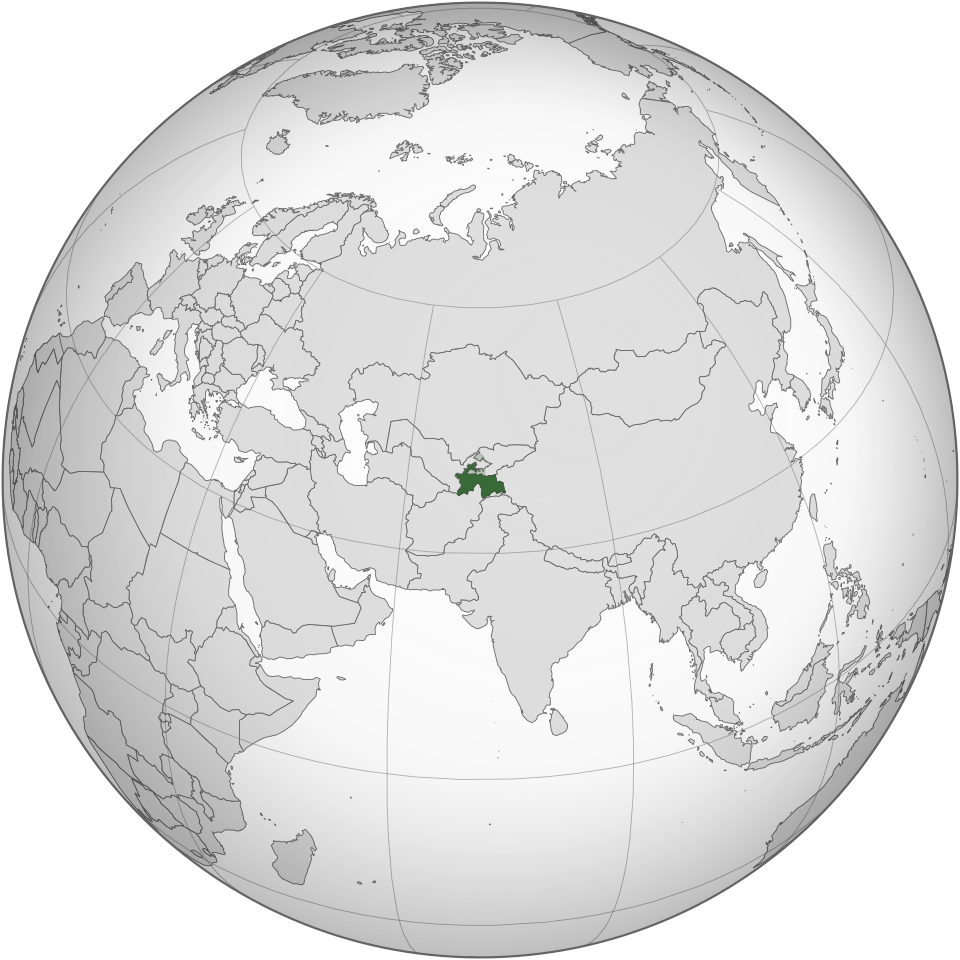
The country with the highest such percentage in the world is the Central Asian former Soviet nation of Tajikistan, with a whopping 47.89%. If remittances rapidly ceased, Tajikistan’s economy would collapse.
.svg)
According to Iswardi Ishak of Visual Capitalist, “Remittance dependence is highest in smaller or lower-income economies where a significant share of the workforce migrates abroad. The money sent home supports household spending, education, housing, and basic consumption, giving remittances an outsized role in the domestic economy.”
On the other hand, “This reliance can be a double-edged sword. While remittances are often more stable than foreign investment during downturns, countries that depend on them are more exposed to changes in host-country labor markets, migration policy, and transfer costs.”