
The Odyssey, a movie written and directed by Christopher Nolan, is one of the blockbusters of the Summer of 2026.
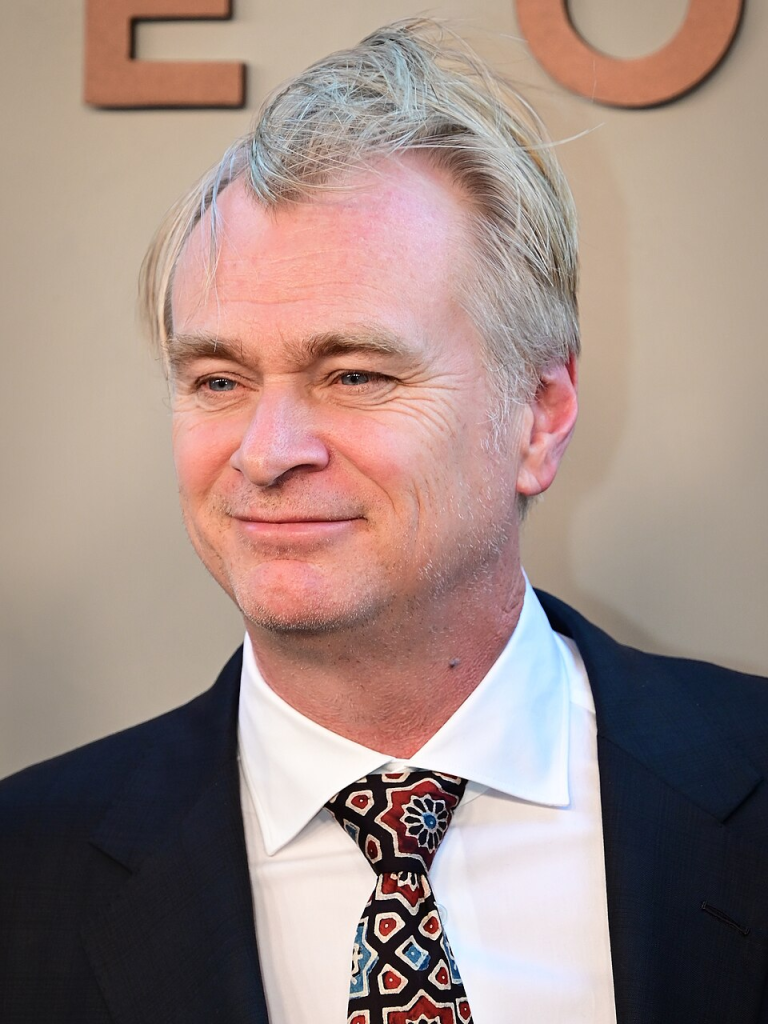
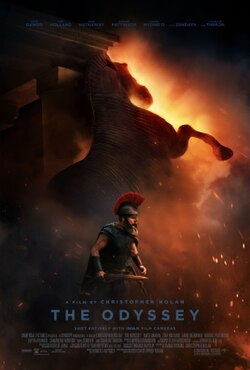
Movie Poster. Source: Universal Pictures / Christopher Nolan. Source: Philip Romano
#/media/File:ChristopherNolan-byPhilipRomano_(cropped).jpg)
The movie premiered in many countries, including the U.S. and Mexico, in mid-July. It appears that soon it will reach the billion-dollar mark.
In Mexico, where the public loves Hollywood movies, The Odyssey is a big hit.
Here’s a poster advertising the Mexican premiere of “La Odisea“, “A Movie of Christopher Nolan”:
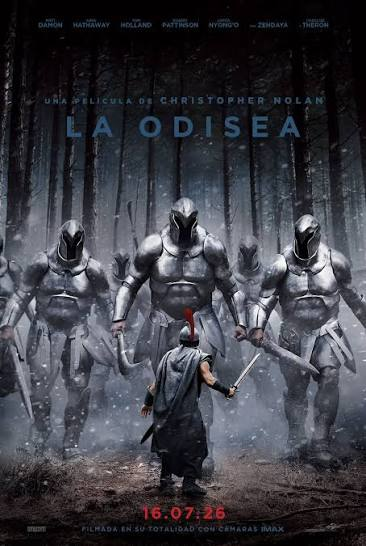
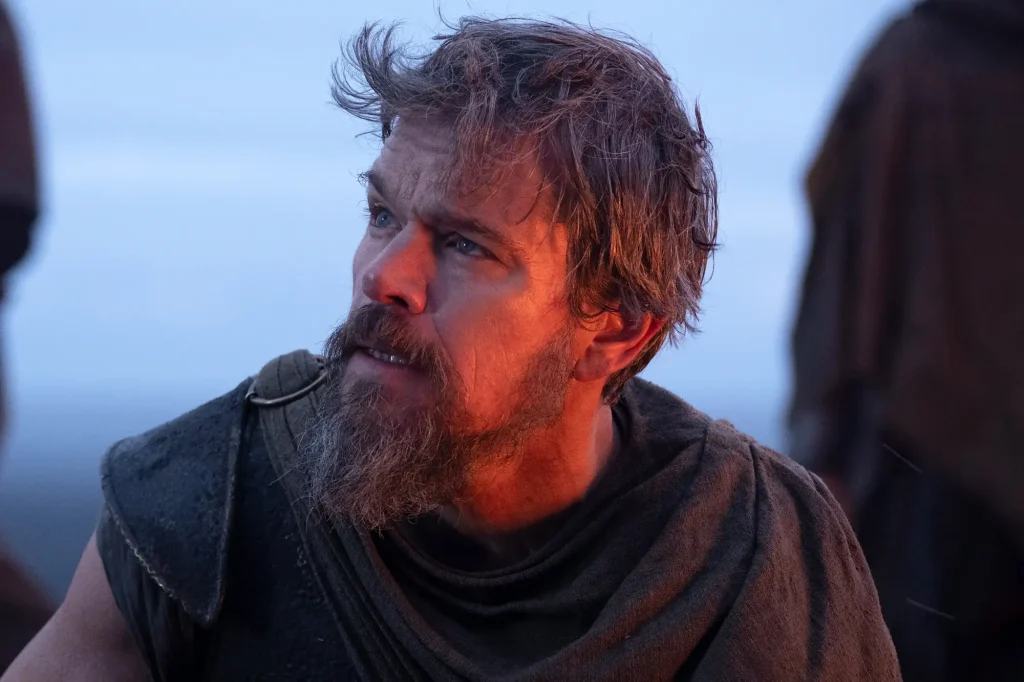
The Odyssey is the story of Greek king Odysseus returning home to his island of Ithaca after the Trojan War. In the Nolan movie, Matt Damon portrays Odysseus.
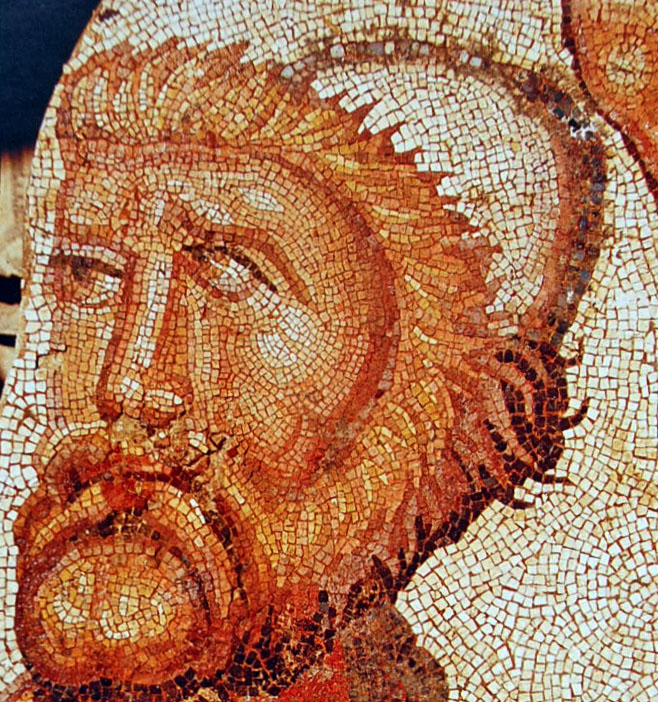
Odysseus in mosaic in Spain, late 4th-5th centuries A.D.
Source: Valdavia

The Odyssey (and its companion piece The Iliad) are epic poems. They may be based on some historical events occurring around 1200 B.C. Over time invented elements were added to the stories. The traditional view is that the poems were set into their standard form by a blind poet named Homer around 700 B.C.
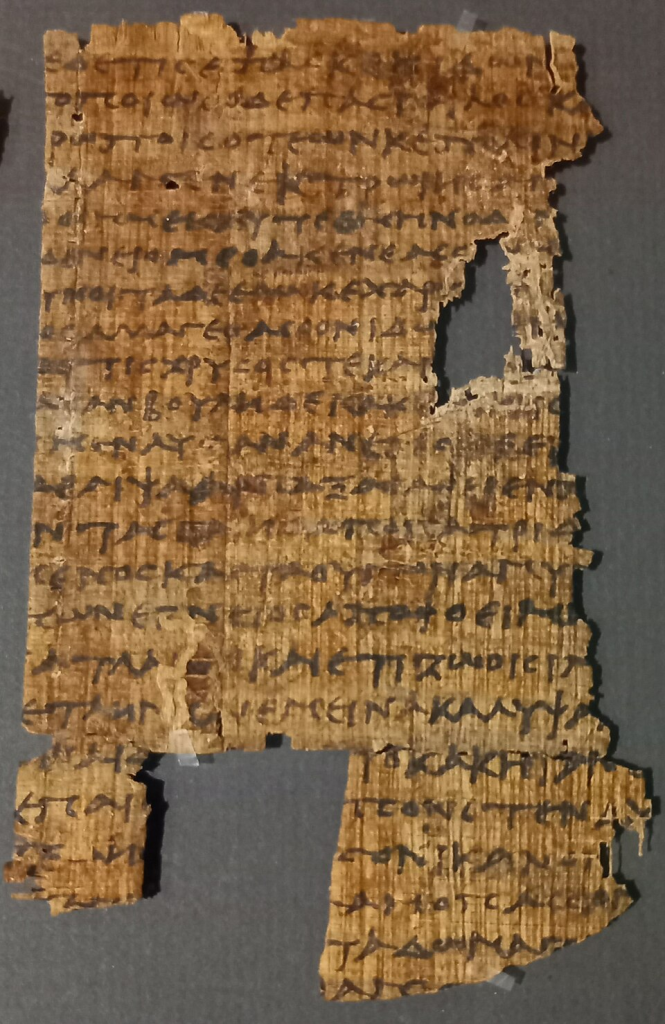
Source: Zunkir

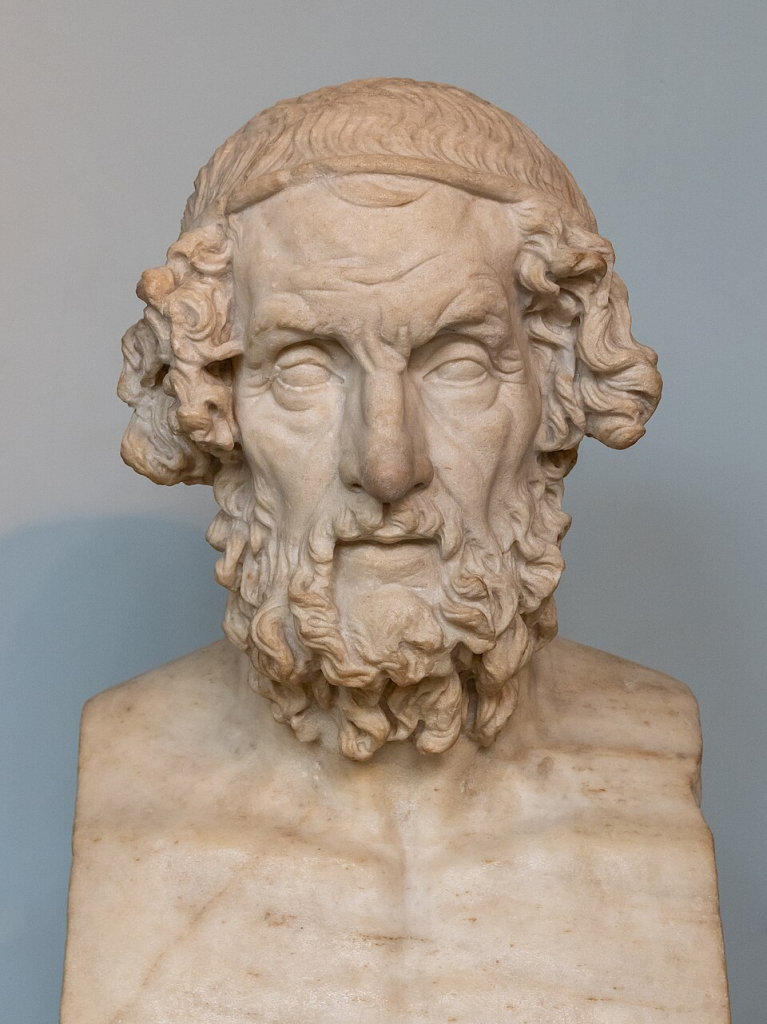
Homer.
Roman Copy of 2nd-century B.C. bust.
Source: Mike Peel
.jpg)
So The Odyssey is an approximately 3000 year old story and is one of the foundational texts of European civilization and literature.
After 3 millenia the Odyssey continues to captivate because it contains universal themes we can still relate to: honor, perseverance, the love for one’s homeland, the determination to return there, the importance of family and even the love of a faithful dog for its master. It’s all in the The Odyssey.
Nolan’s Odyssey movie is a great production. It’s almost 3 hours long, but it kept my attention the whole time.
I watched the move twice, in two different theaters in two different states. Both theaters were pretty full and there was applause when it was done.
The movie was filmed in various countries, mostly in and around the Mediterranean where the narrative is set. Nolan eschews CGI effects, preferring real actors and real props and scenery.
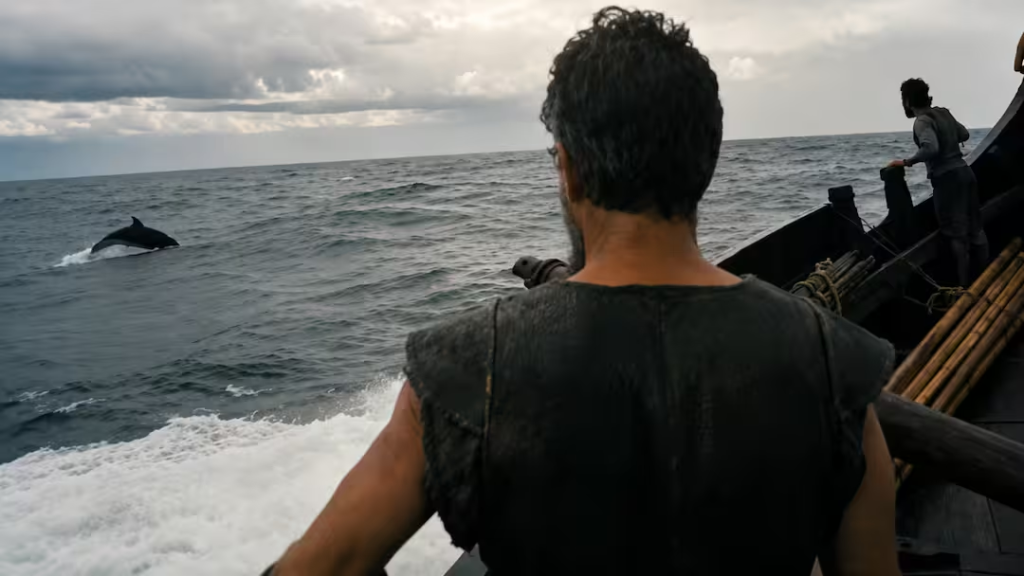
There’s a scene where dolphins pop up out of the water. The dolphins were not expected and simply appeared as they were filming in the Mediterranean.
The action scenes are well-done, with the Cyclops in the cave, the encounter with the enchantress Circe, the Laestrygonian cannibal giants, the Sirens, the Charybdis whirlpool and the Scylla monster, etc.
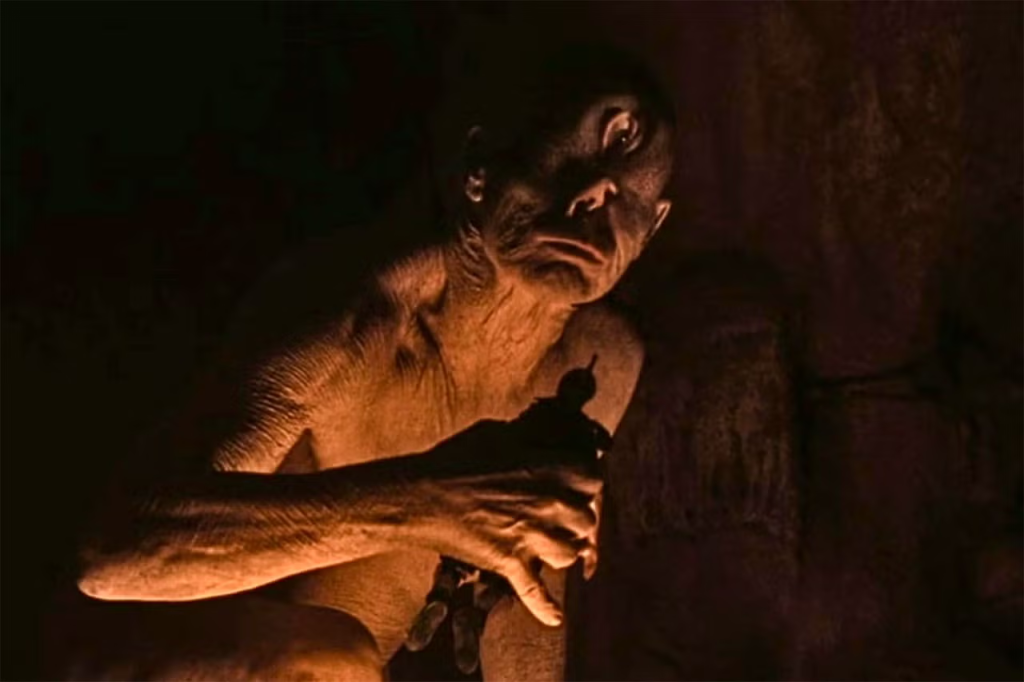
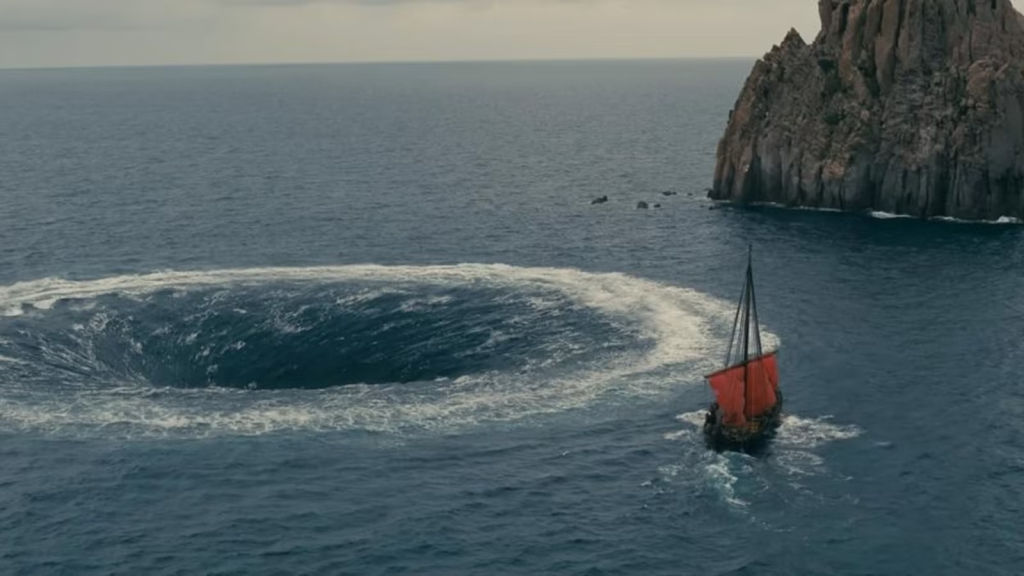
The film is not without controversy. It’s not just one thing, different people criticize it for different reasons. Yet the controversy itself indicates the importance of the work. Why would people argue about The Odyssey if weren’t important to them?
Of course, every movie based on a classic literary work changes things.
The movie has been criticized for its casting, for the authenticity of various details, the ways the characters are portrayed, and other things.
The casting of black Mexican-born actress Lupita Nyong’o as Helen of Troy and Clytemnestra was criticized. See Actress at the Heart of Odyssey Controversy was Born in Mexico .
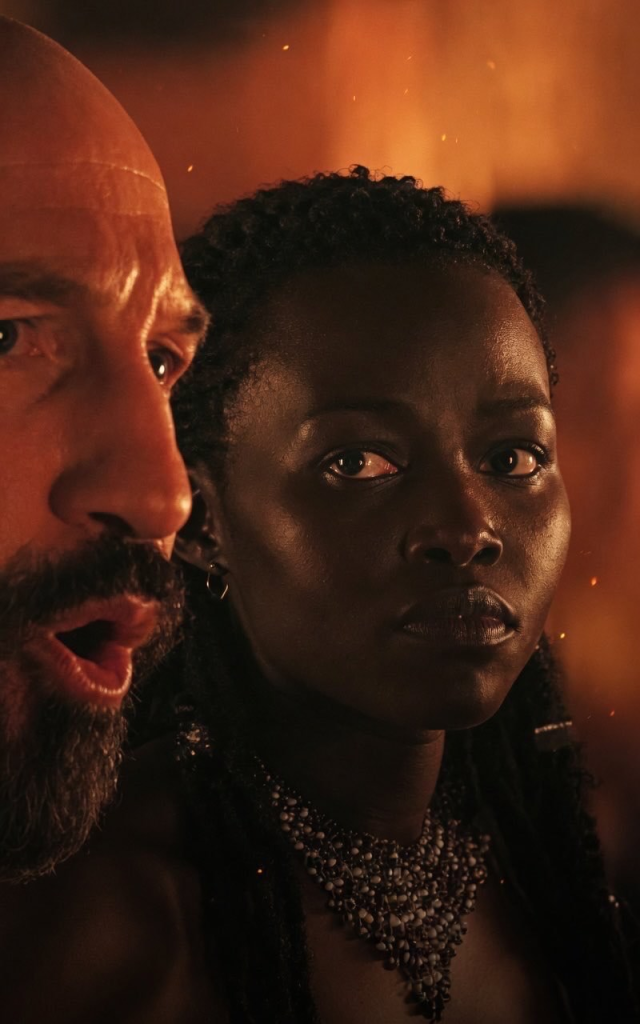

Left: Lupita Nyong’o. Source: Philip Romano
Right: Jon Bernthal (Menelaus), Lupita Nyong’o (Helen of Troy). Source: threads.com

Another casting choice highly criticized was Ellen/Elliott Page as Greek warrior Sinon.
Odysseus’ multiracial crew was also criticized.
In Nolan’s Odyssey the characters speak English like 21st-century Americans, using terms like “Dad”, “Ok”, “Let’s go!” and even a form of the “f-word”. Of course, the poem was originally written in Homeric Greek, but normally in these types of epic movies a sort of formal, elevated English is utilized.
Another criticism is that it changes the character of Odysseus. The Iliad and The Odyssey portray Odysseus (Latin form: Ulysses) as a cunning warlord, a trickster, a man who thinks outside of the box to survive and thrive.
In the movie, Odysseus is more passive, despondent and guilt-ridden. It was Odysseus who thought up the Wooden Horse trick, which is used to break into the city of Troy, which is than sacked and destroyed. In the poem Odysseus didn’t feel guilty about the trick, but in the movie he does.
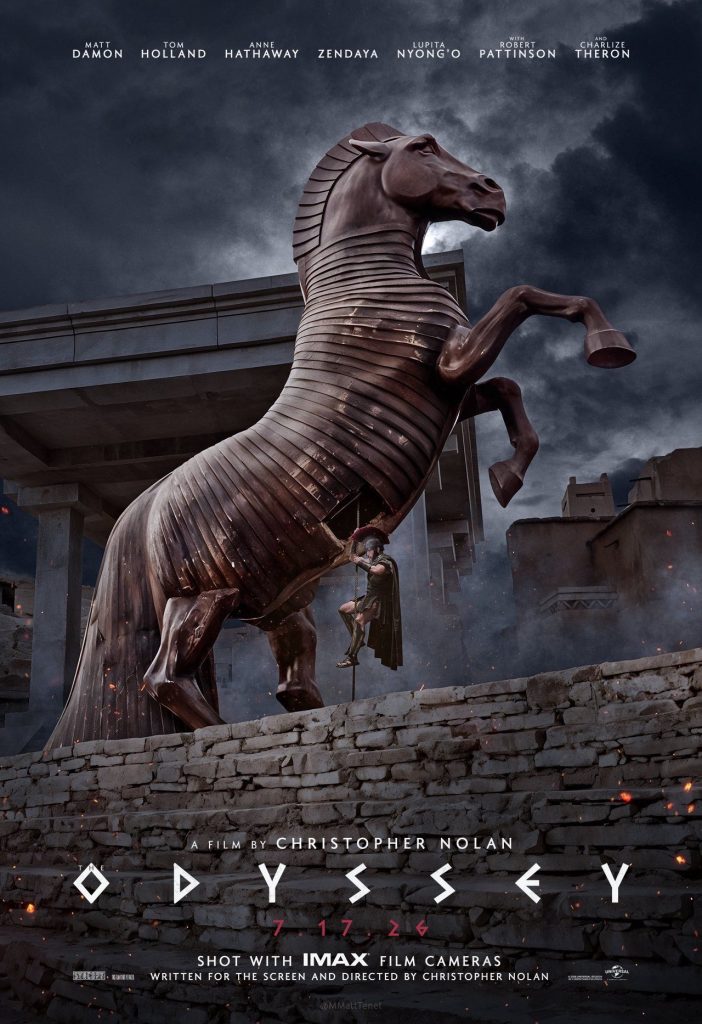
These critics have a point. However even in Greek literature there was disagreement over Odysseus, who is the protagonist of the Odyssey but centuries later is criticized by Sophocles, Plato and Aristotle. So we could say that the character of Odysseus has been under discussion for millennia.
One of the principal concepts in the movie is that of xenia [ξενία], an ancient Greek hospitality concept, which in the film is called “Zeus’s law”. Xenia includes rules for both host and guest.
A statement in the movie from Penelope (portrayed by Anne Hathaway) likens xenia to the Golden Rule, doing to others as you’d want them to do for you. The concepts are not the same. Xenia strictly refers to the host-guest relationship. The Golden Rule covers all of life.
In The Odyssey, the Cyclops is a bad host, and the suitors at Ithaca are bad guests. But Nolan’s Odyssey bases the story around Odysseus feeling guilty for tricking the Trojans with the Wooden Horse, which led to the destruction of the city.
That, of course, isn’t in Homer’s Odyssey, in which the protagonist never felt guilty about that. In Nolan’s movie, however, Odysseus does.
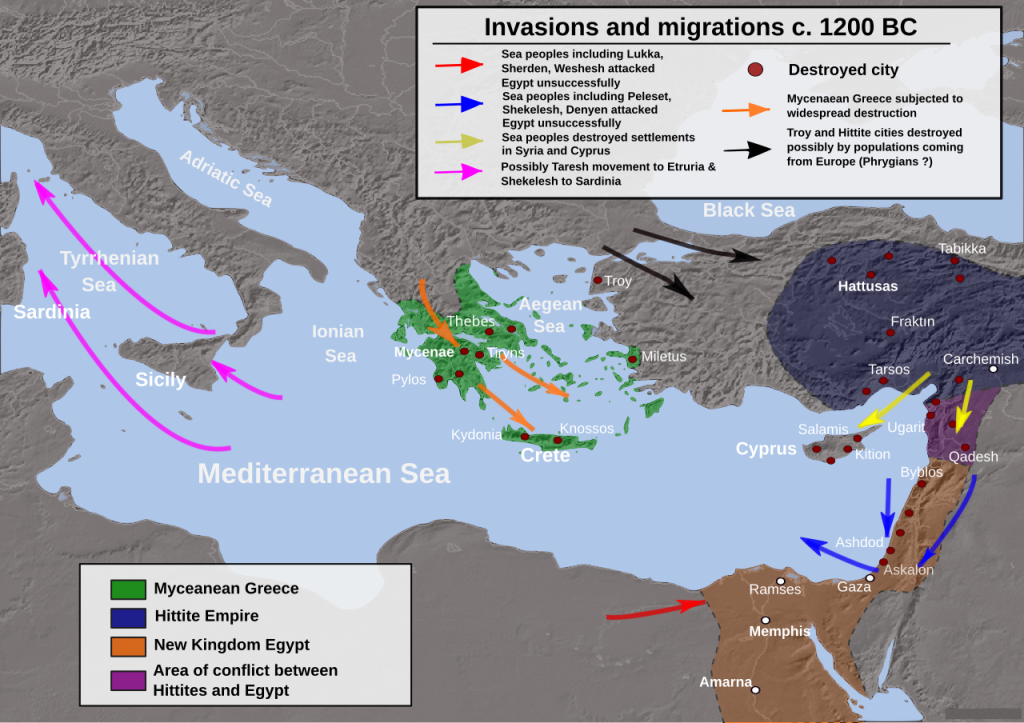
The movie links the story of Odysseus to the Bronze Age Collapse, which occurs around 1200 B.C. There might be something to that. It’s funny though that Nolan’s Odysseus says “Our Age of Bronze is collapsing”, as if people in the Bronze Age knew they were in the Bronze Age!

We could go on and on discussing these issues. And many do. Look around the Internet and you can find plenty of discussion about this movie.
It is noteworthy that a movie based on a 3,000 year old story is such a big event, culturally, commercially and philosophically. Even the criticisms show that this ancient work can still spark strong feelings and controversy.
All that speaks to the power of The Odyssey, one of the foundational works of European civilization, a story that can still attract our attention 3,000 years later.