How much does Mexico depend on remittances from the United States?
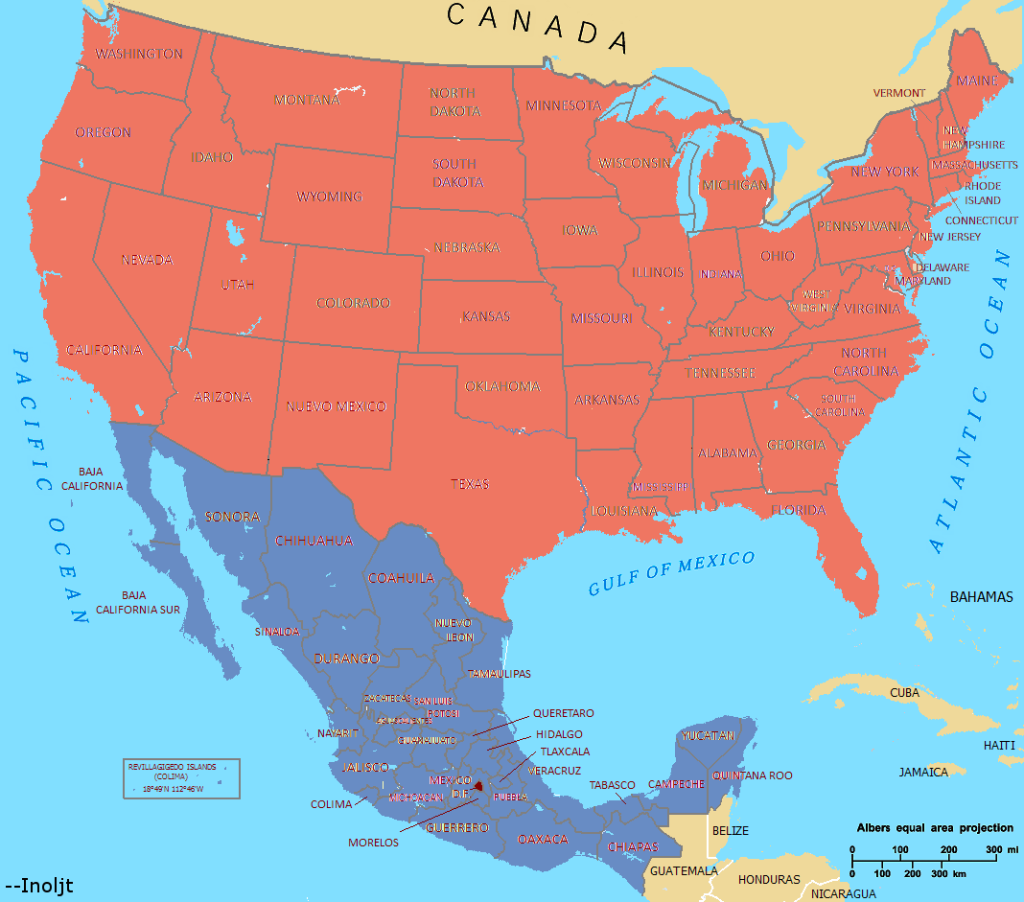
The U.S. (in red), Mexico (in blue). Source: Olathe Schools
Remittances are funds sent by people from Country A working in Country B. They are sent back to families in Country A. Many countries have grown to depend on remittances.
Mexicans working in the United States send remittances to their families in Mexico, not to the Mexican government. The family members spend the money in Mexico, so it does contribute to the Mexican economy.
Visual Capitalist has released a list of countries. It shows the percentage of each countries’ GDP (gross domestic product) contributed by remittances in 2024. See here.
In 2024, Mexico received over 60 billion dollars in remittances. Most of the remittance money was sent from Mexicans working in the U.S. That’s a lot of money, but since Mexico has a big economy, the remittance total was a small percentage of Mexico’s overall GDP (gross domestic product).
In 2024, 3.64% of Mexico’s GDP came from remittances.
If all the remittances dried up, it would decrease the size of the Mexican economy, but the economy wouldn’t collapse.
Furthermore, since 2024 the amount of remittances sent to Mexico have decreased.
U.S.-Mexican trade is a big sector of the Mexican economy, which is why President Sheinbaum wants to keep U.S. tariffs on Mexican products as low as possible.
But as for the remittances, they don’t form a very big percentage of the Mexican economy.
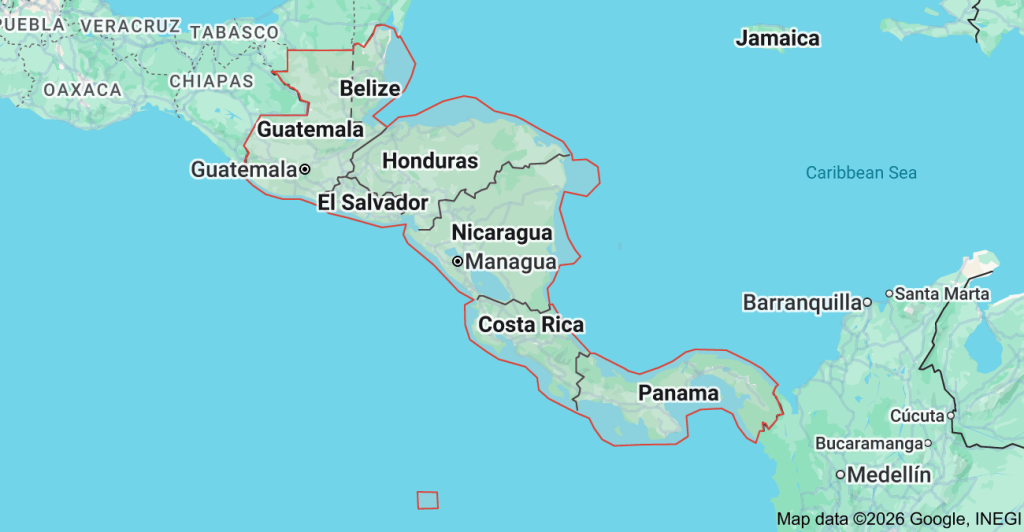
In Central America, however, it’s another story. Large percentages of some of their economies come from remittances.
In the case of Nicaragua, 26.64% of its GDP derives from remittances. For Honduras it’s 25.7%. In El Salvador it’s 24%. For Guatemala it’s 19.12%.
That means that for Nicaragua, Honduras and El Salvador, each country owes about a quarter of its GDP to remittances. For Guatemala it’s about a fifth.
For Belize it’s 4.81%, higher than Mexico but not that much higher.
For Costa Rica it’s only 0.76% and it’s 0.61% for Panama, both much lower than Mexico.
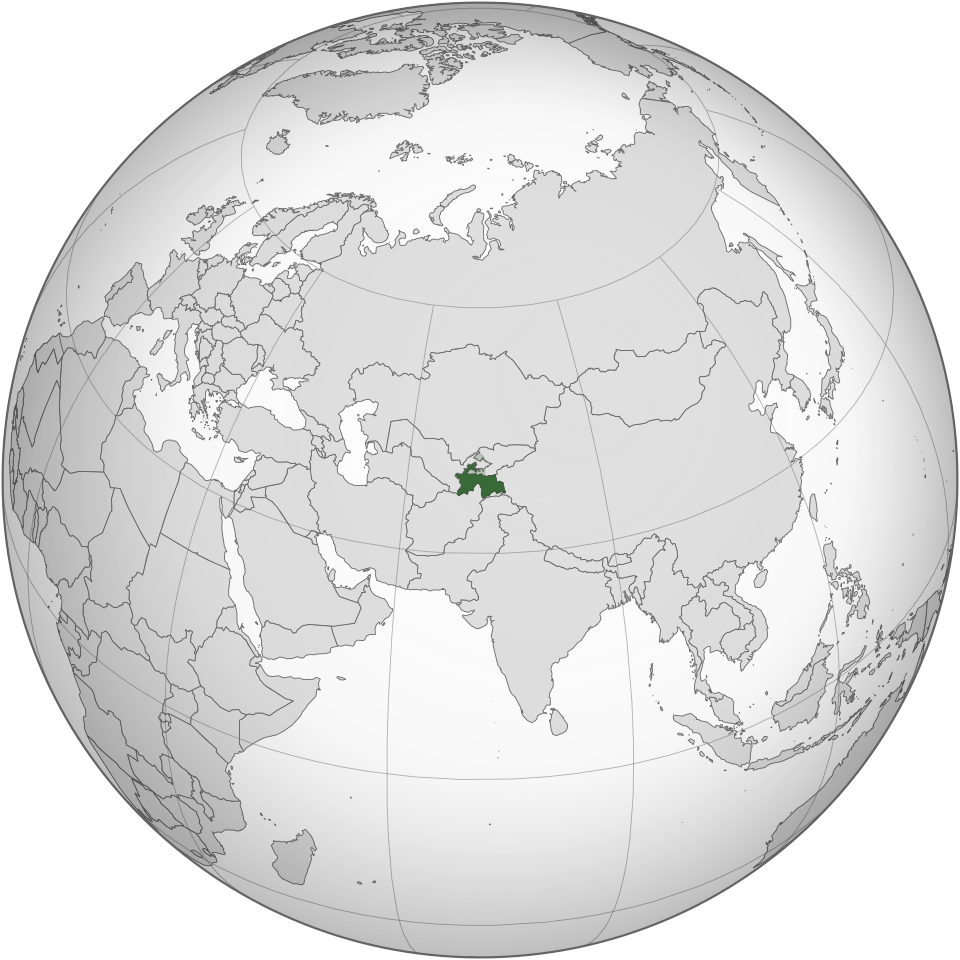
The country with the highest such percentage in the world is the Central Asian former Soviet nation of Tajikistan, with a whopping 47.89%. If remittances rapidly ceased, Tajikistan’s economy would collapse.
According to Iswardi Ishak of Visual Capitalist, “Remittance dependence is highest in smaller or lower-income economies where a significant share of the workforce migrates abroad. The money sent home supports household spending, education, housing, and basic consumption, giving remittances an outsized role in the domestic economy.”
On the other hand, “This reliance can be a double-edged sword. While remittances are often more stable than foreign investment during downturns, countries that depend on them are more exposed to changes in host-country labor markets, migration policy, and transfer costs.”
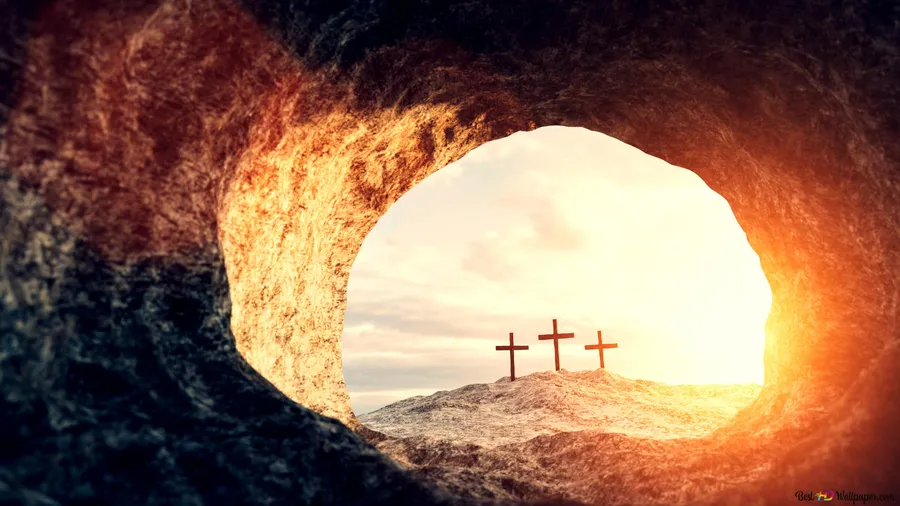
The crucifixion, burial and resurrection of Jesus Christ are foundational to the Christian faith. That’s why the major branches of Christendom memorialize – in various ways – the death, burial and resurrection of Christ each spring . In the English language this observance is called “Easter”, in the Spanish language it is La Pascua.
Mexico has a variety of traditional Pascua customs, many of them deriving from Spain, with a diversity of traditions linked to particular regions and cities.
Semana Santa (Holy Week) begins on Domingo de Ramos (Palm Sunday) , the day of Christ’s Triumphal Entry into Jerusalem. The Last Supper was held on Jueves Santo (Maundy Thursday). Viernes Santo (Good Friday) commemorates the day of Christ’s crucifixion. Sábado de Gloria (Holy Saturday) memorializes the full day Christ was in the tomb. Domingo de Pascua (Easter Sunday) celebrates the Resurrection of Christ.
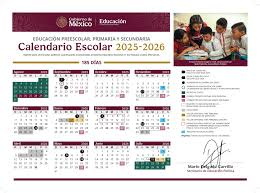
Schools in Mexico get a two-week vacation, the week preceding and the week following Easter Sunday.
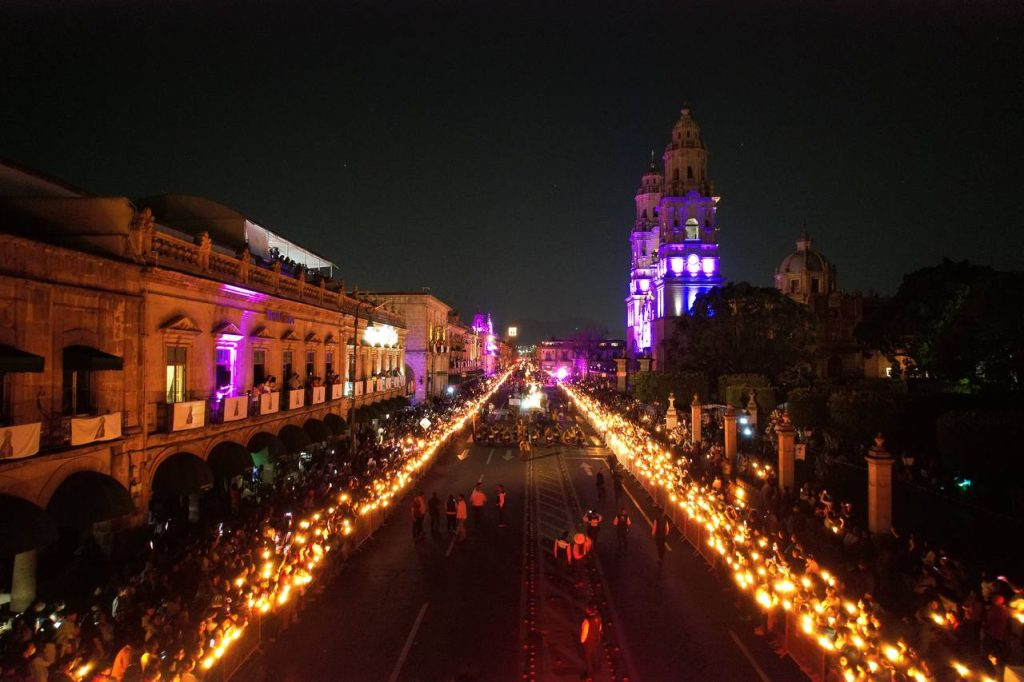
In some cities there is a Procesión de Silencio, a silent procession, wherein the people march down the street by candlelight, in silence. This custom is from the Spanish city of Sevilla, famous for Semana Santa observances.
Procesión de Silencio of Morelia, 2023. Source: cbdigital
My wife and I attended a Procesión de Silencio in Morelia one year and it was truly impressive. Both the marchers and the audience were totally silent.
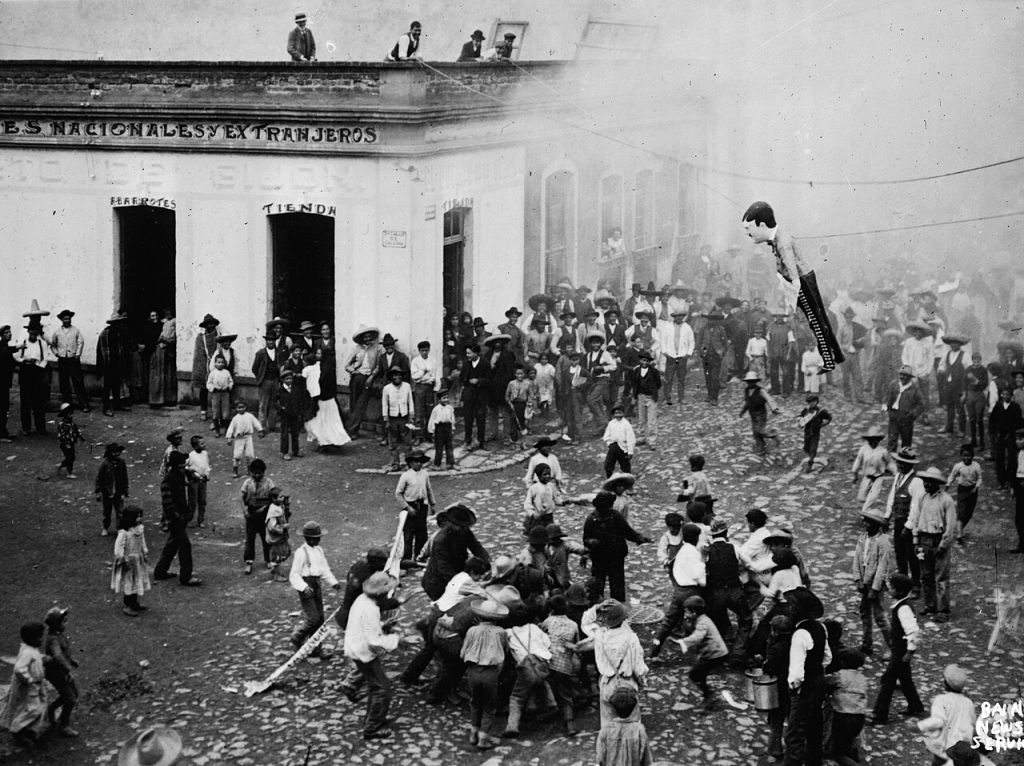
The “burning of Judas” is practiced on Sábado de Gloria, in which effigies of Judas (with firecrackers inside!) are burnt. The Judas effigy is often in the form of a contemporary person, frequently an unpopular politician.
Here’s a photo of a “Judas” hanged in effigy in early 1900s Mexico City. It looks like the kids are having a great time. I assume they eventually got around to burning the effigy.
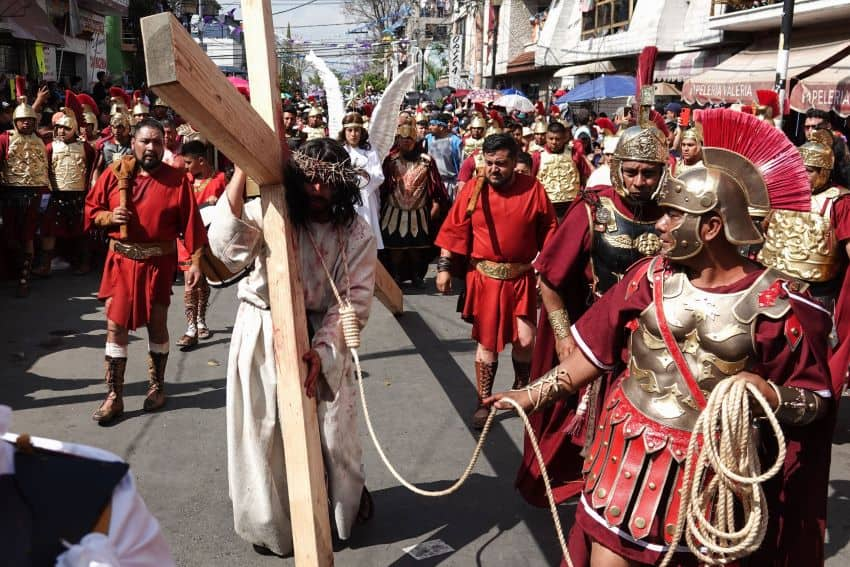
A Passion Play is a dramatic representation of the crucifixion of Christ.
The most famous Passion Play in Mexico is in the Mexico City borough of Ixtapalapa. It has been performed since Ixtapalapa survived a cholera outbreak in 1833.
The Ixtapalapa Passion Play is a true community endeavour, organized and carried out annually by the locals and sponsored by the secular Iztapalapa government.
The drama includes 5,000 participants, 150 with speaking roles, and draws 2.5 to 4 million spectators.
All the pageant’s actors must have been born in Iztapalapa. Whoever portrays Christ is selected on the basis of both good moral character and physical strength. The actor wears an actual crown of thorns, is flogged, and bears a 200 pound cross through the streets for two and a half miles, and up a hill before being “crucified” (tied to the cross, not nailed).
The Ixtapalapa Passion Play is truly a sight to behold. When a reporter asked a local man about it, he replied . “We pray, we cry, as if all this is real. We know it is not. But yet …maybe we come because we are all sinners. Maybe somehow it helps us make fewer sins in our lives…Maybe, just maybe, people are better because of it.”
The Isthmus of Tehuantepec, located in the Mexican states of Veracruz and Oaxaca, is the narrowest part of Mexico. It is also the narrowest land area located between the Gulf of Mexico (on its north) and the Pacific Ocean (on its south).
At its narrowest point, the isthmus is 125 miles wide, from the Gulf of Mexico to the Pacific.
The Mexican government is currently involved in a major project to increase the use of the Isthmus of Tehuantepec for the shipment of cargo.
It’s called the Corredor Interoceánico del Istmo de Tehuantepec (CIIT), the Interoceanic Corridor of the Isthmus of Tehuantepec. It’s under the authority of the Mexican Navy.
There’s already a railway across the isthmus, which has been there for over a century. As part of the project, the railway is being modernized. The project also includes highways and industrial parks along the railway.
The seaports of Coatzacoalcos (on the Gulf of Mexico) and Salina Cruz (on the Pacific) are being modernized and expanded.
The goal is to move containers overland from port to port, across the isthmus, in under six hours.
Interoceanic Corridor of the Isthmus of Tehuantepec. Source: Breakbulk
The CIIT is being promoted as a rival to the Panama Canal and it’s supposed to be completed by June of this year, 2026.
Let’s look at the Forbes 2026 list of 24 Mexican billionaires. There is a lot we can learn from it.
One thing you note just looking at the photos is the whiteness of Mexican billionaires. Of course, that’s not suprising in Mexico, a racially stratified society.
There are no indigenous Mexican billionaires. All the billionaires are of European or Levantine ancestry.
The rich should pay their fair share of taxes. However, “soaking the rich” is not a prudent strategy.
Indeed, the presence of wealthy people in a society is an asset for the society if the wealthy use their wealth to provide jobs and improve society.
OK, time to take a look at the 24 Mexican billionaires. The net worth of each billionaire is based on his (or her) net worth on March 22nd, 2026.
I. CARLOS SLIM and FAMILY Net Worth: 114.5 Billion/#16 in World/#1 in Mexico Carlos Slim, of Lebanese ancestry (original family surname Salim) is Mexico’s richest man, and has in the past been the world’s richest man. As Forbes reports,“Carlos Slim Helú and his family control América Móvil, Latin America’s biggest mobile telecom firm…He also owns stakes in Mexican construction, consumer goods, mining and real estate companies…Slim and his family own 76% of Grupo Carso, one of Latin America’s largest conglomerates.”
II. GERMAN LARREA MOTA VELASCO and FAMILY Net worth: 52.6 Billion/#32 in world/#2 in Mexico From Forbes: “Germán Larrea Mota Velasco owns the majority of Mexico’s largest copper mining company, Grupo México, which also has operations in Perú and the U.S. Under his leadership as president and CEO, Grupo México expanded into the infrastructure and rail transportation sectors…In 2017, Larrea spun off Grupo México’s transport arm into a new company, GMexico Transportes, part owned by two of Carlos Slim Helú’s firms.”
III. ALEJANDRO BAILLERES GUAL and FAMILY Net Worth: 15.4 Billion/#179 in world, #3 in Mexico From Forbes: “Alejandro Baillères Gual and his five siblings are the heirs to the mining fortune built by their father Alberto Baillères, who died in 2022. Alejandro is the president of Grupo Bal, the vehicle through which the family owns stakes in an insurance firm, a pension fund company and more. Alejandro is also vice chairman of mining company Industrias Peñoles, known for its silver mines. His younger brother Juan Pablo Baillères is in charge of the cattle and bullfight division of Grupo Bal. Teresa Baillères, the youngest sibling and the only daughter, holds an executive role at luxury department store Grupo Palacio de Hierro. The other siblings are Raúl Baillères, Alberto Baillères, and Xavier Baillères; one sibling, Mauricio Baillères, died in 2014.”
IV. MARIA ASUNCION ARAMBURUZABALA LARREGUI and FAMILY Net Worth: 9 Billion/#364 in world/#4 in Mexico Maria Asuncion is the richest woman in Mexico. Forbes reports that“María Asunción Aramburuzabala inherited her father’s stake in beer giant Grupo Modelo when she was just 32 years old. Her grandfather cofounded the company in 1925 in Mexico City. In 2013, Modelo was sold to Anheuser Busch for $20 billion. She has served as CEO of investment firm Tresalia Capital since 1996, investing in companies like Tory Burch and Casper. She holds shares in beauty product manufacturer Coty Inc. and serves on its board.” From 2005 to 2010, she was married to Tony Garza (U.S. Ambassador to Mexico from 2002 to 2009).
V. CARLOS HANK RHON and FAMILY Net Worth: 4.4 Billion/#935 in world/#5 in Mexico From Forbes: “Carlos Hank Rohn and his family derive their fortune primarily from Mexican financial group Banorte and Gruma, a tortilla manufacturing company. He is the son of the late politician Carlos Hank Gonzalez, who served as Mexico City mayor, Secretary of Agriculture and governor of the State of Mexico, his home state. In October 2017, Mexico’s Grupo Banorte said it would pay $1.4 billion in stock and cash to acquire Hank Rhon’s Grupo Financiero Interacciones. Hank Rhon’s wife, Graciela, is the daughter of Roberto González, (d. 2012), the founder of Gruma and ex-president of Banorte. Hank Rhon also owns Grupo Hermes, an industrial conglomerate with interests in construction, infrastructure, energy and auto dealerships.”
VI. RICARDO SALINAS PLIEGO and FAMILY Net Worth: 3.6 Billion/#1155 in world/#6 in Mexico From Forbes: “Ricardo Salinas Pliego runs the number two Mexican TV broadcaster, TV Azteca, and retailer Grupo Elektra. His Grupo Elektra targets lower middle class consumers who borrow money from his banking arm, Banco Azteca, to buy items at Elektra stores. Elektra, which is publicly traded, was founded in the 1950s by Ricardo’s grandfather, Hugo Salinas Rocha. Salinas appointed a new CEO to TV Azteca in January 2021, replacing his son, Benjamin Salinas Sada, who he’d appointed in 2015.” TV Azteca is in a financial bind and is entering a bankruptcy proceeding. See here.
VII. FERNANDO CHICO PARDO Net Worth: 3.4 Billion/Tied for #7 in Mexico From Forbes: “Fernando Chico Pardo started his first company in Mexico City at age 27, a stock brokerage called Acciones y Asesoría Bursátil. That brokerage later became part of Grupo Financiero Inbursa, a banking and financial group controlled by Mexican billionaire Carlos Slim. After he left Inbursa in 2003, Chico Pardo became a controlling shareholder in Grupo Aeroportuario del Sureste (Asur), which operates nine airports in Mexico and one in San Juan, Puerto Rico. He also runs private equity fund Promecap, which has acquired interests in or provided funding for a variety of Mexican companies.”
VIII. ANTONIO del VALLE RUIZ and FAMILY Net Worth: 3.4 Billion/ Tied for #7 in Mexico From Forbes:“Antonio del Valle Ruiz swapped a stake in a Mexican bank for control of what is now chemical conglomerate Orbia Advance Corp. He and his six children own a 46% stake in Orbia Advance Corp., formerly called Mexichem. Del Valle also owns a majority stake in Grupo Financiero BX+, which controls the bank Banco Ve Por Mas. Through the family’s Grupo Kaluz conglomerate, the Del Valle’s [sic]also own stakes in construction companies Elementia and Fortaleza Materiales as well as Chicago’s Byline Bank. Del Valle has put his children in executive positions at his companies, but is still involved in strategic decisions as ‘Honorary Chairman for Life’.”
IX. RUFINO VIGIL GONZALEZ Net worth: 3 Billion/#9 in Mexico From Forbes: “Rufino Vigil Gonzalez is a Mexican steel baron and chairman of specialty steel firm Industrias CH. In 2001 the company bought just under 83% of Grupo Simec, a steel smelter with factories in Guadalajara and Mexicali. He owns about 63% of Industrias CH, which has operations in Mexico, Canada and the U.S.”
X. DAVID PEÑALOZA ALANÍS Net worth: 2.6 Billion/#10 in Mexico From Forbes: “David Peñaloza Alanís is the son of David Peñaloza Sandoval, the founder of construction and infrastructure company Grupo Tribasa. Tribasa, known for building and operating toll roads, ran into financial problems after the peso 1994 crisis and was forced to renegotiate its debt. The company began trading on the Mexican stock exchange again in 2005 and was renamed Promotora y Operadora de Infraestructura, or Pinfra, in 2006. During the restructuring, Peñaloza Alanís replaced his father at the helm and is its largest shareholder. He owns almost 40% of the company, which has 16 toll road concessions throughout Mexico.”
XI. ENRIQUE COPPEL LUKEN Net Worth: 2.3 Billion/#11 in Mexico From Forbes: “Enrique Coppel Luken and his four brothers own Grupo Coppel, a retail and banking business in Mexico with over $8 billion in sales. Their father and grandfather founded the first shop in Sinaloa, where they sold radios and watches. The group’s retail arm has grown from a single shop in 1941 to over 1,700 stores across Mexico. The stores are known for providing credit to customers, allowing them to finance their purchases over multiple payments. Enrique was chairman and CEO until Agustín, the youngest of the bunch, took over in 2008.”
XII. MANUEL ARANGO ARIAS Net Worth: 2.1 Billion/Tied for #12 in Mexico From Forbes:“Manuel Arango and his brothers, Jeronimo (d. 2020) and Placido (d. 2020) are credited for building one of Mexico’s first major retailers and helping establish Walmart’s presence in the country. In 1958…the trio founded the bargain retail chain Central de Ropa, later renamed Grupo Cifra. The company owned the Bodega Aurrera stores, selling everything from groceries to home appliances.” In 1991, “they embarked on a 50/50 partnership with Walmart to expand across Mexico. In 1997, Walmart bought a majority stake in Grupo Cifra for $1.8 billion and took over Walmex (Walmart de Mexico).”
XIII. ROBERTO HERNANDEZ RAMIREZ Net Worth: 2.1 Billion/Tied for #12 in Mexico From Forbes: “Roberto Hernández Ramirez made a fortune in banking, beginning with the establishment of brokerage firm Acciones y Valores, also known as Accival. Accival purchased Mexican bank Banamex in 1991, becoming Grupo Financiero Banamex-Accival, which Hernández chaired. In 2001 Citigroup purchased Grupo Financiero Banamex-Accival for $12 billion in cash and stock.”
XIV. CYNTHIA HELENA GROSSMAN FLEISHMAN Net Worth: 2 billion/#14 in Mexico From Forbes: “In 1964 Cynthia Grossman’s father, Burton Grossman, founded Grupo Continental, a soft drink producing and distributing company. Grupo Continental merged with Embotelladoras Arca in 2011 to create Arca Continental, the second-largest Coca-Cola bottler in Latin America. Along with her brother Bruce, Cynthia owns around 10% of the company shares. Arca Continental has over 45 plants and 345 distribution centers across America.”
XV. RUBEN COPPEL LUKEN Net worth: 1.8 Billion/#15 in Mexico One of the five Coppel brothers who own Coppel department stores, see entry #11 above. Ruben is chairman of BanCoppel (the group’s banking business) and Afore Coppel (the company’s pension fund).
XVI. JOSE COPPEL LUKEN Net Worth: 1.7 Billion/Tied for #16 in Mexico/ Another of the Coppel brothers, who own the Coppel chain.
XVII. ALBERTO COPPEL LUKEN Net Worth: 1.7 Billion/Tied for #16 in Mexico/ Another Coppel brother. From Forbes: “Coppel is the CEO and chairman of GC1 Holding; owner of sake producer Nami and software company ClickBalance. GC1 Holding’s venture capital arm had investments in Spotify, Uber and Pinterest before they went public.”
XVIII. JUAN DOMINGO BECKMANN LEBORRETA and FAMILY Net Worth: 1.7 Billion/Tied for #16 in Mexico From Forbes: “Juan Domingo Beckmann Legorreta inherited a nearly 51% stake in tequila firm Becle S.A.B., maker of Jose Cuervo, from his father Juan Francisco Beckmann…Founded in 1758, Becle has remained family-owned for over 250 years. His sister Karen Beckmann Legorreta inherited nearly 36% of the company from their father and is a billionaire as well.”
Juan Domingo Beckmann Legorreta. Source: Rachel Murray
XIX. LEOPOLDO ESPINOSA ABDALA Net Worth: 1.6 Billion/Tied for #19 in Mexico In 2016, Leopoldo and brother Fernando sold their drug manufacturing company Rimsa to Teva Pharmaceuticals (based in Tel Aviv) for 2.3 billion dollars.
XXII. OSCAR BAEZA FARES Net Worth: 1.2 Billion/Tied for #22 in Mexico From Forbes: “Oscar Eugenio Baeza Fares is the managing director and controlling shareholder of Mexican industrial food conglomerate, Grupo Bafar. Baeza controls about 56% of the company’s shares, while family members hold an additional 29% of the shares.”
XXIII. KAREN VIRGINIA BECKMANN LEGORETTA Net Worth: 1.2 Billion/Tied for #22 in Mexico From Forbes: “In 2019, Karen Beckmann Legorreta inherited a nearly 36% stake in Becle S.A.B., maker of Jose Cuervo tequila, from her father, Juan Francisco Beckmann Vidal. She serves on the board of Becle; her brother Juan Domingo Beckmann Legorreta is the CEO. [See #15 above.]The company has been controlled by the family for more than 250 years and has distilleries and bottling facilities across Mexico, the United States and Northern Ireland.”
Karen Virginia Beckmann Legorreta. Source: UrbanoDF
XXIV. ALFREDO HARP HELU and FAMILY Net Worth: 1.1 Billion/#3132 in world/#24 in Mexico Harp is Carlos Slim’s poorer cousin. From Forbes: “Alfredo Harp Helú’s fortune stems from Acciones y Valores de Mexico, also known as Accival, which he cofounded. In 1991 Accival merged with Mexican bank Banamex to form Grupo Financiero Banamex-Accival (Banacci). Harp Helú then became chairman of the group. Citigroup acquired Grupo Financiero Banamex-Accival for $12 billion in stock and cash in 2001, and Harp Helú joined Citigroup’s board. He has a minority stake in publicly-traded tile producer Internacional de Ceramica. He owns two Mexican baseball teams, Los Diablos Rojos of Mexico City and Los Guerreros of Oaxaca.”
CONCLUSION: These are the 24 billionaires listed by Forbes magazine.
I Timothy 6:17-19: 17 Charge them that are rich in this world, that they be not highminded, nor trust in uncertain riches, but in the living God, who giveth us richly all things to enjoy; 18 that they do good, that they be rich in good works, ready to distribute, willing to communicate; 19 laying up in store for themselves a good foundation against the time to come, that they may lay hold on eternal life.
I Timoteo 6:17-19: 17 A los ricos de este siglo manda que no sean altivos, ni pongan la esperanza en las riquezas, las cuales son inciertas, sino en el Dios vivo, que nos da todas las cosas en abundancia para que las disfrutemos. 18 Que hagan bien, que sean ricos en buenas obras, dadivosos, generosos; 19 atesorando para sí buen fundamento para lo por venir, que echen mano de la vida eterna.
In the 2026 rankings, Mexico was ranked at #12, the 12th happiest country in the world. Last year it was #10, so it dropped by two.
Here are the Top Twelve countries of 2026: 1. Finland (just like last year) 2. Iceland 3. Denmark 4. Costa Rica 5. Sweden 6. Norway 7. Netherlands 8. Israel 9. Luxembourg 10. Switzerland 11. New Zealand 12. Mexico
Here are the bottom five countries of 2026: 143. Botswana 144. Zimbabwe 145. Malawi 146. Sierra Leone (same as last year) 147. Afghanistan (same as last year)
The United States was ranked 23rd, a step up from last year when it was 24th.
Costa Rica was the highest Spanish-speaking country at #4 and Mexico was the second-highest Spanish-speaking country at #12. Uruguay was #31, El Salvador was #37, Panama was #39, Spain was #41, Guatemala #42, Argentina #44, Chile #50, Nicaragua #51, Paraguay #57, Ecuador #59, Honduras #63, Dominican Republic #64, Colombia #68, Peru #72, Bolivia #78, Venezuela #80. Cuba was not on the list.
In the Anglosphere, New Zealand was the happiest at #11, Ireland #13, Australia #15, the U.S. #23, Canada #25, the United Kingdom #29.
The happiest Middle Eastern country was Israel at #8, followed by the United Arab Emirates at #21, Saudi Arabia at #22, Kuwait at #40.
China was #65, India was #116. Russia was #79 and Ukraine was #111.
You can check out the list yourself by clicking here.
For my article from a year ago about the 2025 list, click here.
On February 22nd, Nemesio Ruben “el Mencho” Oseguera Cervantes, cartel boss of the CJNG (Cartel Jalisco Nueva Generación), was captured and died from wounds sustained in a Mexican raid. See here and here.
It appears now that the cartel’s new leader is, or is about to be, 41-year old Juan Carlos Valencia Gonzalez, stepson of El Mencho.
Here is Valencia’s Wanted Poster. That bounty will probably be increased soon:
According to the New York Post, “Juan comes from drug-dealer royalty on both sides of the family, with his biological father Armando Cornelio the founder of the Milenio cartel in the 1970s. His mother remarried El Mencho and was part of the ‘Cuinis’ gang, the financial branch of the Jalisco cartel.”
Valencia was born in California, thus making him a U.S. citizen. (Valencia is also a citizen of Mexico).
The question being asked now is, how is Valencia’s U.S. citizenship going to complicate U.S. attempts to fight or apprehend Valencia? There are rules about surveilling Americans in foreign countries. How do they apply to Valencia?
If you think of it, there is and has already been plenty of U.S. citizen involvement with the Mexican drug cartels.
U.S. drug addicts, after all, are the main consumers, and willing consumers, of the drugs sold by the Mexican cartels. That makes American drug users the main financiers of the Mexican drug cartels. I wish President Trump would point that out.
Also, as this chart, based on U.S. government data, shows, the majority of people arrested in the U.S. for drug trafficking are American citizens:
The Insight Crime website has published its list of homicide rates for mainland Latin American countries (not including the Caribbean islands).
At 50.9 homicides per 100,000, Ecuador had the highest murder rate in Latin America.
See my previous article Mexican Cartels Wreak Havoc in Ecuador and note that the Ecuadorian government is now working closely with the Trump administration to crush the cartels in that South American country.
The second-highest murder rate in Latin America belongs to Brazil, at 19.2 per 100,000, followed by Guatemala at 17.4, Costa Rica at 16.8 and then Mexico at 15.4
The website has another list for the Caribbean islands and Belize and Guyana. The highest murder rate in that region is Haiti at 68 per 100,000, followed by Turks and Caicos at 57.6.
Those lists are national homicide rates.
There’s another group that calculates murder rates by city.
The Consejo Ciudadano para la Seguridad Pública y la Justicia Penal (Citizen Council for Public Security and Criminal Justice) is a Mexican NGO. You can visit its website here.
Each year, it releases a list of the world’s 50 most violent cities.
The list does not include cities located in war zones.
To qualify for the list, a metropolitan area must have at least 300,000 inhabitants.
Calculations are based on the rate of homicides per 100,000 inhabitants.
This 2025 list has been published, and 44 of the 50 most violent cities on the planet are in the Western Hemisphere. The other six are in South Africa.
Taking the top spot is the Haitian capital of Port-au-Prince, with 6,185 homicides, which was 197.43 per 100,000 inhabitants.
In the 2024 report, Port-au-Prince was also the most violent city, with 4263 homicides, which was 139.31 per 100,000 inhabitants. So there’ve been more murders there than the previous year. In the 2023 report, Port-au-Prince was the third most violent city.
In second place in the 2025 list was Babahoyo, Ecuador. That city’s population is only 317,436 so its 527 homicides gave it a rate of 166.02 homicides per 100,000.
Babahoyo was followed by #3 Mandela Bay, South Africa; #4 Machala, Ecuador; and #5 Quevedo, Ecuador.
The most violent Mexican city on the list was Culiacan, Sinaloa, at #6. Culiacan had 1,086 homicides, 103.91 per 100,000.
Culiacan’s state of Sinaloa is the scene of the ongoing intra-cartel war pitting La Mayiza faction, led by the son of “El Mayo” Zambada, against the Chapitos, sons of “El Chapo” Guzman. According to the Noroeste newspaper report of March 17th, 2026, the murder toll in Sinaloa state since the intra-cartel war began on September 9th, 2024 to March 16th, 2026, is 2,973, an average of 5.4 daily.
Overall, Mexico had 17 cities on the list. However, that’s down from 20 cities last year.
Also, in the 2024 list, Mexico had 7 cities on the Top Ten most violent of the list. This year it had 2 cities on the Top Ten.
Other countries on the list are Colombia with 8 cities, Ecuador with 7 cities, Brazil with 6 cities, South Africa with 6, and 1 city apiece in Guatemala and the Caribbean nation of Trinidad and Tobago.
What about the United States of America?
There are three U.S. cities on the 2025 list. Last year, though, there were 5 U.S. cities on the list.
In 2025, the most violent city in the U.S.A. was New Orleans, with 121 homicides, at a rate of 33.36 homicides per 100,000 inhabitants. It was #41 on the list. From 2024 to 2025, New Orleans dropped from 34.05 per 100,000 to 33.36 per 100,000.
Cleveland was #43. It had a worse rate than in 2024 (30.33 in 2024 to 32.30 in 2025).
Memphis was #46. In 2024, Memphis had a homicide rate of 48.01 per 100,000 inhabitants. In 2025 it was 30.12. That’s an improvement.
If you’d like to see the entire list, click here then scroll down to where it says “2025 COMUNICADO DE PRENSA 50 CIUDADES MAS VIOLENTAS DEL MUNDO” and “Descargar archivo” (download file).
I have corresponded with Bill for years. We both share an interest in Mexico and travel in Mexico, and he sent me a copy of his book, which I have read.
The book was published in 2015. The publisher is Sombrero Books of Canada and it was printed in Mexico. You can read its reviews on Amazon and order it here if you like.
The book is about touring Mexico by motorcycle. It gives you advice on how to do that. It talks about the right motorcycle, supplies you should bring, budgeting, the climate, clothing, health, camping, Mexican culture and customs. And, of course, he recommends that you bring his book along!
But it’s not just a how-to book, although it is that. The book relates Bill’s experiences in Mexico, his observations and reflections on the country and the people he met there.
Personally, I’m not a motorcycle rider, but I can see the appeal it has for some people. And obviously, driving around Mexico on a motorcycle is an adventure. Plus, I’ve been to many (but not all) of the places Bill visited so that’s interesting.
The book is also about the many Mexican people Bill encountered, and the help and hospitality they provided. I can also report that in all my time in Mexico, every time I had a problem there was always someone who showed up to help!
Allow me to let Bill describe his trips to Mexico (page xviii) : “I’ve traveled Mexico by virtually all-possible methods since 1964. A tour by motorcycle can be exciting, rewarding and challenging. In 1971, I rode from Columbia, South Carolina, to Yucatán, Mexico, on a SL Honda 175. I spent more than two months touring the country. The total trip exceeded ten thousand miles.” [Bill later explains, on page 55, that he got 12 hours college credit for this trip!]
“In 1993, at age forty-eight, I again ventured south by motorcycle. From El Paso, Texas, I cycled as far south as Oaxaca. That trip, on a Honda Nighthawk 250, was over 4,000 miles. Both trips were solo. Those grand tours and other shorter bike rides taught me many aspects of motorcycling and visiting south of the border that should be useful to anyone. ”
Bill’s description of his 1971 trip is fascinating because it shows how different things were back then, 55 years ago. The extensive tourist infrastructure that Mexico now has didn’t exist. Many now-crowded tourist attractions were empty, but accessible to a man on a motorcycle.
The Mayan ruins at Chichen Itza, for example, now one of Mexico’s most-visited archaeological sites. But here’s how Bill describes how it was in 1971: “Chichén Itzá was different than can be easily imagined by today’s visitors. The highway cut directly through the ruin. Beyond a single Maya worker, not a person – tourist or otherwise – visited the archeological zone the entire day. A tiny fruit stand just past the ruin was the only business to serve the few passing motorists. I rode the bike from structure to structure, marveling at the work and history…Today, it takes a long, hard day to tour Chichén Itzá but that wasn’t the case in 1971. I motorcycled from structure to structure and was able to climb and study each structure individually.” (pages 179-180).
Wow, that sounds great!
Think about how the Cancun and Riviera Maya area is now. Here’s Bill Kaliher reminiscing about 1971: “Today it’s about an hour’s ride from Cancún to Tulum. In 1971 the road was so pockmarked and broken it took six hours on a combination bike…The only vehicle I encountered was a broken-down Mercedes bus. A group of complaining German and French tourists…huddled in a foot wide patch of shade next to the vehicle…The driver said a truck was coming to tow them.” (pages 183,184)
When Bill arrives to the Palenque ruins, he once again rides his bike through the site: “The few workers at the site hadn’t seen a tourist for weeks. I rode from edifice to edifice and even up some of the less steep slopes.” (pages 194,195)
In his 1971 trip, Bill Kaliher didn’t always have a hotel to stay in. Here are some of his interesting sleeping venues: 1) a construction site(178-179), 2) a beach (p. 183), 3) a hammock in a hut in some Mayan ruins (pages 186-188), 4) next to a closed PEMEX station (p. 192), 5) the Palenque archaeological site (p. 195).
Nowadays, 55 years later, there is much more tourist infrastructure in this region. But as you can see, for Bill Kaliher in 1971, it was a great adventure.
In the 2000s, Bill has attended motorcycle rallies in Mexico. The photo above on the book cover is of Bill a rally at Catemaco.
Bill relates how he was proudly inducted into a Mexican motorcycle club, the Forasteros de Coahuila at a motorcycle rally in Queretaro in the 2000s. (pages 221-227)
William Kaliher has written for a number of publications through the years and even for the Mexican Tourism Ministry. Here’s Bill’s bio and his article file on the Mexconnect website. His Facebook page is here and his Twitter X account is here.
Allow me to close with a quotation from Bill Kaliher’s Acknowledgements page in Mexico by Motorcycle (page vii): “I’ve enjoyed the adventure and experience of motorcycling Mexico. The Mexican people have my love and appreciation for the kindness, warmth, knowledge and smiles they’ve bestowed on me during many visits.”
In a recent case reported on Mexico’s Excelsior, a trio of Mexican would-be illegal aliens were thwarted, not by the U.S. Border Patrol, but by the very polleros (illegal alien smugglers) they had hired to get them across the border!
The incident took place in the Ciudad Juarez/El Paso area of the border. Two men and a teenaged girl, from the states of Puebla and Tamaulipas, wanted to cross the border.
They had hired the polleros to get them across the border, but rather than doing that they kidnapped the three, beat them, videotaped them, then sent ransom demands to their families.
The local police, however, got a call about it and arrived to the house where the captives were held. The police detained the five perpetrators and rescued the three hostages.
So the would-be illegals didn’t get across the border, but they were delivered from their captors, which is good.
The five kidnappers ranged in age from 18 to 21, and two of them had fake guns.
Here they are, in custody, with their eyes covered so no one can recognize them!
In various Mexican states, radical feminists used the occasion to attack Catholic churches. Catholic parishioners made human chains around their churches to protect them.
Churches were defaced with graffiti, paint was thrown at parishioners and demonstrators tried to set doors on fire.
At the Templo de la Compañía, in San Luis Potosi, a stone cross was systematically pulled down. See video here.
The cities where churches were attacked included Monterrey, Zacatecas, San Luis Potosi, Aguascalientes, Leon, Queretaro, Cuernavaca, Puebla and Guadalajara.
It certainly seems coordinated, doesn’t it? Or did all the demonstrators in those cities have the same idea on the same day?



.svg)
