The Mexican president has a six-year term with no reelection, which means President Sheinbaum lacks five years in her presidency, scheduled to end in 2030.
Claudia Sheinbaum is Mexico’s first woman president and first Jewish president.
During her first year in the presidency, President Sheinbaum has received high approval ratings in the polls, never falling below 75%. That’s impressive.
Here is some analysis from Spain’s El País in English: “Claudia Sheinbaum shines in her own right as president of Mexico. The first woman to hold the executive office enjoys strong approval after her first year in office, surpassing her predecessor and mentor, Andrés Manuel López Obrador, with a 78% rating. By comparison, López Obrador had a 72% approval rating in his first year and reached 77% when leaving office, according to an Enkoll survey for EL PAÍS and W Radio.”
“Not only that, Sheinbaum’s approval ratings exceed those of the last four presidents who have governed Mexico since 2000, when power alternated after more than 70 years of governments controlled by the Institutional Revolutionary Party (PRI): Vicente Fox, Felipe Calderón, Enrique Peña Nieto, and López Obrador.”
Sheinbaum’s highest approval rating was 83%: “Her peak popularity came in May, when she enjoyed 83% support in a month marked by constant U.S. pressure against Mexican agricultural imports, the harassment of undocumented Mexicans in the United States, and U.S. investigations into local politicians in Baja California, including Morena Governor Marina del Pilar Ávila.”
“Since then, the president’s approval has dropped five points but remained at 78% in September, with only 18% disapproval. These figures exceed the approval ratings AMLO had one year into his presidency in November 2019, when 72% approved of his performance and 22% disapproved.”
Sheinbaum gets high marks from across Mexican society, even from those of other political parties.
“The president enjoys support across all education levels, although her backing is strongest among Mexicans who have only completed basic schooling. The survey shows that Sheinbaum also has support among those who identify as opposition voters.”
“Seventy-three percent of supporters of the National Action Party (PAN), 70% of Citizens’ Movement sympathizers, and 72% of PRI supporters — a party that has fallen to fourth place nationally — approve of her first year in office. Unaffiliated voters are the most critical, with 34% disapproving. However, 66% believe that Mexico’s situation ‘is improving.’ ”
“Optimism, however, has declined by 5% since January, when U.S. President Donald Trump took office. Since then, pessimism has increased regarding the economy’s performance amid the ongoing trade war.”
Welfare programs help her popularity.
“According to respondents, the president’s success lies in continuing the extensive portfolio of social support programs initiated by Morena during the previous administration. Most survey participants mentioned transfers to senior citizens, one of López Obrador’s central policies since he was mayor of Mexico City — a program that Sheinbaum continued and expanded when she held the same office, which helped catapult her to the presidency.”
“Other programs highlighted include scholarships for young people, support for farmers, single mothers, and women in general. In fact, survey participants believe that women’s rights is the area that has seen the most progress in the first 12 months of her presidency, followed closely by social support initiatives.”
An article on Canada’s Globe and Mail compares Sheinbaum’s presidency to that of her predecessor AMLO: “Ms. Sheinbaum marks one year in office Wednesday. She made history as Mexico’s first female president, but arrived in office an unknown quantity and seemingly stuck in the shadow of her popular predecessor. She promised to ‘build a second story’ on her mentor’s ‘fourth transformation’ in her successful 2024 campaign, when she ran on his legacy and largely repeated his talking points.”
“But the President has put her own stamp on the presidency by practising a quieter style of politics. An environmental scientist by training, she has projected an aura of competence, displayed a cool demeanour and deployed a more technocratic discourse – a contrast to AMLO’s inflammatory language, improvisation and constant provocations.”
“Her approval rating sits at 73 per cent, according to the newspaper El Financiero, as middle-class Mexicans unsettled by Mr. López Obrador’s class politics and populist policies warmed to Ms. Sheinbaum’s more sober and serious style.”
“ ‘She’s more presidential than AMLO in a traditional way,’ said Luis Antonio Espino, a Mexican political communications consultant based in Toronto.”
Claudia Sheinbaum has one year down and five to go. Who knows what the situation will be like in 2030?
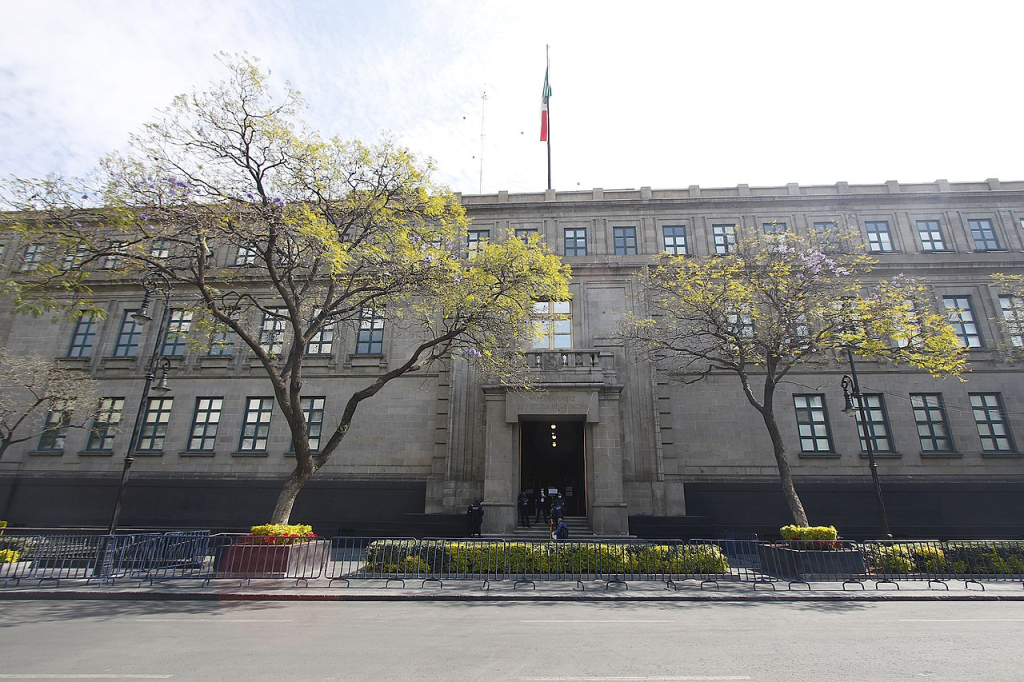
In the judicial elections, all the current justices were approved by President Sheinbaum’s MORENA party. So this court is expected to support the MORENA party administration of President Sheinbaum.
However, you can’t always predict a supreme court.
On September 22nd, in a case involving the Mexican Navy, the Mexican Supreme Court ruled against the position of the Mexican presidency.
This is a leftover case from the previous administration, involving an agency which no longer exists. It started in 2021 and has remained in the system until this ruling.
During the previous AMLO administration, the INAI agency(Instituto Nacional de Transparencia, Acceso a la Información y Protección de Datos Personales -National Institute for Transparency, Access to Information, and Protection of Personal Data) ordered then-President AMLO’s legal counsel to provide official documents about Navy admirals and vice admirals to a private individual.
The AMLO administration refused to provide this information on the grounds that it would endanger Mexican national security.
The case remained in the system despite 1) the transition from the AMLO presidency to the Sheinbaum presidency on October 1st, 2024 and 2) the elimination of INAI in December of 2024.
As argued by Justice Loretta Ortiz Ahlf, “I do not share the idea that… a risk to national security is perceived in this specific case. In this matter, we must start from an incontrovertible fact: all, all of the information contained in the documents is already in the public domain, and in most cases, it was even published by the same authorities.”
On the other hand, the ruling does not declare that the Navy has to make everything public but such things should be decided on a case by case basis.
The ruling was a unanimous one by 8 justices. One Justice,Maria Estela Ríos Gonzalez, was not allowed to vote on it because in 2022 she was AMLO’s chief legal counsel.
“Given that the information requested from the Department of the Navy is already public, the Supreme Court confirmed the resolution of INAI which obliges the Presidency of the Republic to turn over 15 documents signed by the private secretary of the President in 2021 related to the assignments of admirals and vice-admirals, as well as training and instruction. This determines that the reservation of information for reasons of national security should be evaluated case by case.”
“In such a way it has been determined that in this instance, there is no risk to national security. Thus the SCJN guarantees access to public information as a human right which fortifies transparency, accountability and social participation.”
Is this ruling just a fluke? Is it a minor technicality? Or does it portend a level of judicial independence in the future?
The U.S. Department of Homeland Security (DHS) announced in a press release on September 23rd, 2025, that since January 20th (Trump’s inauguration) 2 million illegal aliens have left the U.S. or been deported. That is a substantial number.
From the DHS press release: “On Tuesday [September 23rd], the Department of Homeland Security (DHS) announced that 2 million illegal aliens have been removed or have self-deported since January 20.”
“The Trump administration is on pace to shatter historic records and deport nearly 600,000 illegal aliens by the end of President Donald Trump’s first year since returning to office. Two million illegal aliens have left the United States in less than 250 days, including an estimated 1.6 million who have voluntarily self-deported and more than 400,000 deportations.”
Note that more illegal aliens self-deported than were forcibly deported. When they saw the handwriting on the wall, they got out of the U.S. on their own.
Also, “For four straight months, United States Customs and Border Protection (CBP) has released zero illegal aliens into the country.”
People said it couldn’t be done, but Trump has done it, gained control of the U.S.-Mexican border, and in a short amount of time.
This has a big affect on Mexico. In addition to Mexicans crossing to the U.S., hordes of non-Mexicans were crossing Mexico to get to the United States.
Now the word has gone out that the border is not like before and few illegal aliens are crossing it.
From DHS: “The rest of the world is hearing our message. DHS immigration enforcement is also demonstrably deterring illegal aliens from trying to come here in the first place.”
“A recent study from the United Nations reported that President Trump’s immigration policies led to a 97% reduction in illegal aliens heading northbound to the U.S. from Central America. That same study found that 49% of would-be illegal aliens who decided to stop their journey towards the U.S. did so because they thought it would be impossible to enter the U.S. under President Trump. Likewise, 46% said fears of detention or deportation led to abandoning their attempt to illegally enter the U.S.“
For decades Mexico tacitly and sometimes not-so-tacitly encouraged mass emigration to the United States.
This benefited the Mexican government in several ways. Firstly, they got a lot of people out of their country that they didn’t have to care for and these same people were sending money back from the U.S.
Plus, when illegal aliens got in trouble in the U.S., the Mexican government could score political points by loudly defending them.
In essence, emigration to the U.S. was an important part of Mexican economic and social policy.
Other Latin American countries had similar policies.
But at least for now, under Trump II, the massive human flow northward has stopped.
The Mexican government has adjusted to the new situation and is cooperating in receiving deportees.
Now the Mexican government of President Sheinbaum is concentrating on preserving its trade relationship with the United States. That’s a big priority, and understandably so.
I think it’s actually better for Latin America in the long run to stop depending on mass emigration. But it require some adjustments.
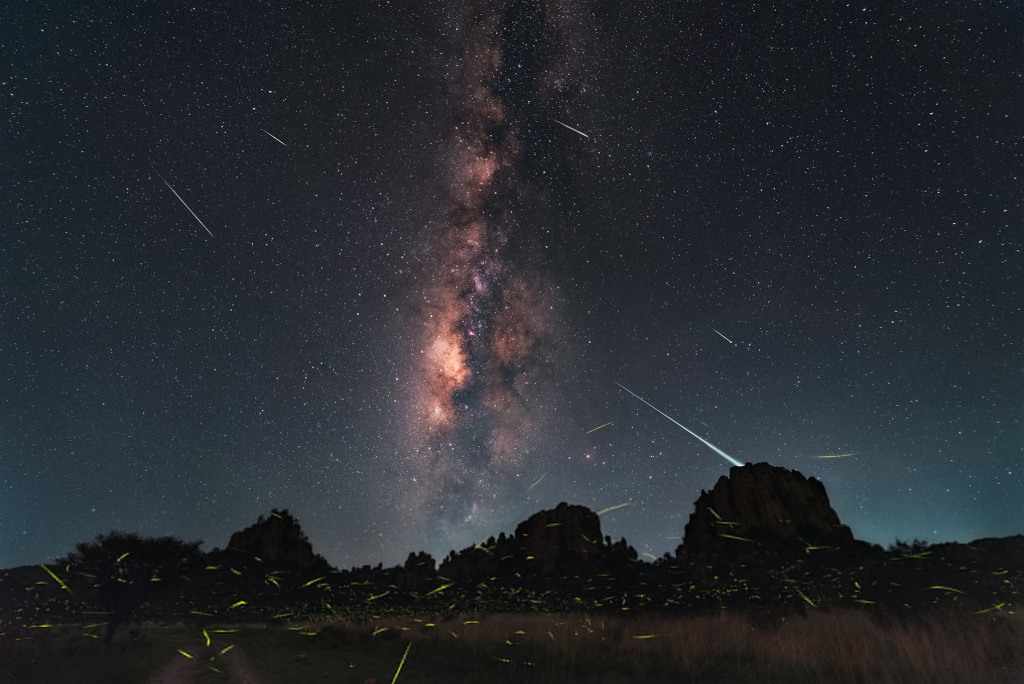
This photograph is NASA’s Astronomy Picture of the Day for August 2nd, 2025. It was photographed on July 29th and 30th at Mexico’s Sierra de Organos National Park (Parque Nacional Sierra de Órganos) in Zacatecas state.
Here is NASA’s explanation: “Taken on July 29 and July 30, a registered and stacked series of exposures creates this dreamlike view of a northern summer night. Multiple firefly flashes streak across the foreground as the luminous Milky Way arcs above the horizon in the Sierra de Órganos national park of central Mexico. The collection of bright streaks aligned across the sky toward the upper left in the timelapse image are Delta Aquariid meteors. Currently active, the annual Delta Aquariid meteor shower shares August nights though, overlapping with the better-known Perseid meteor shower. This year that makes post-midnight, mostly moonless skies in early August very popular with late night skygazers. How can you tell a Delta Aquariid from a Perseid meteor? The streaks of Perseid meteors can be traced back to an apparent radiant in the constellation Perseus. Delta Aquariids appear to emerge from the more southerly constellation Aquarius, beyond the top left of this frame. Of course, the bioluminescent flashes of fireflies are common too on these northern summer nights. But how can you tell a firefly from a meteor? Just try to catch one.”
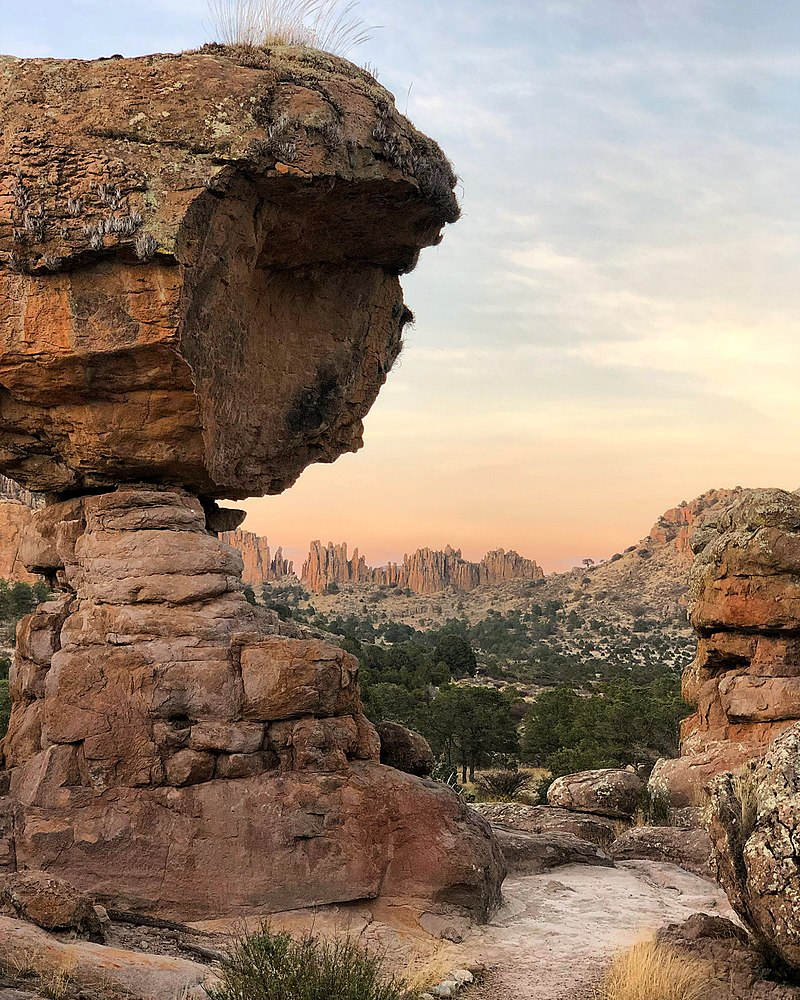
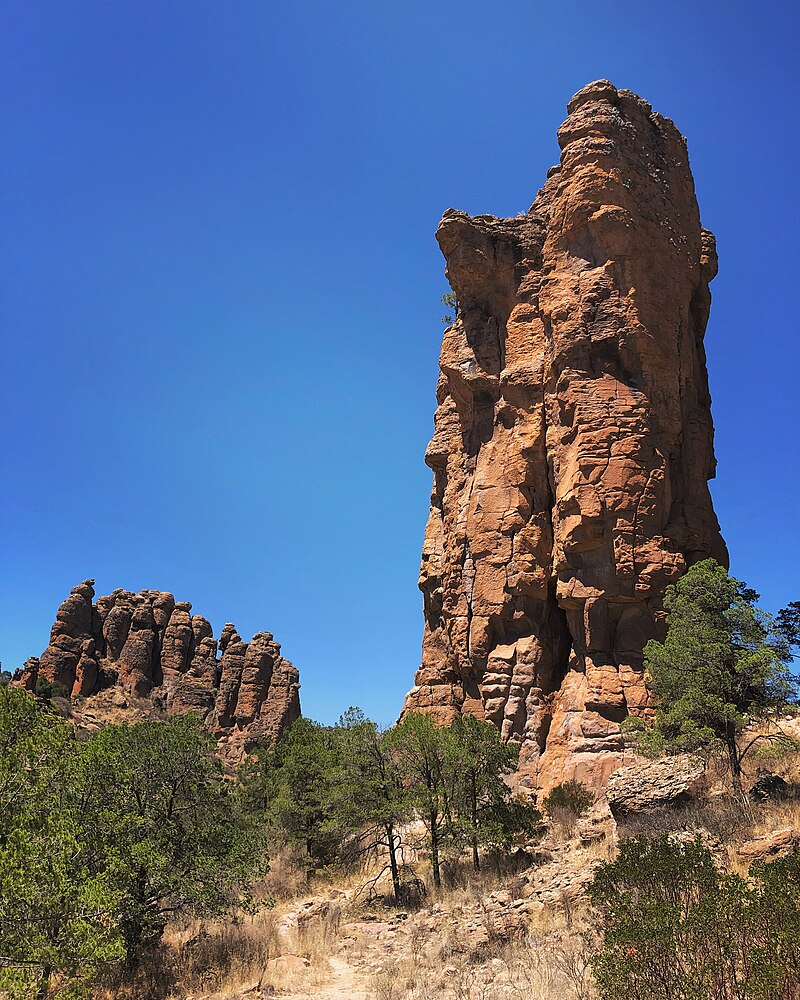
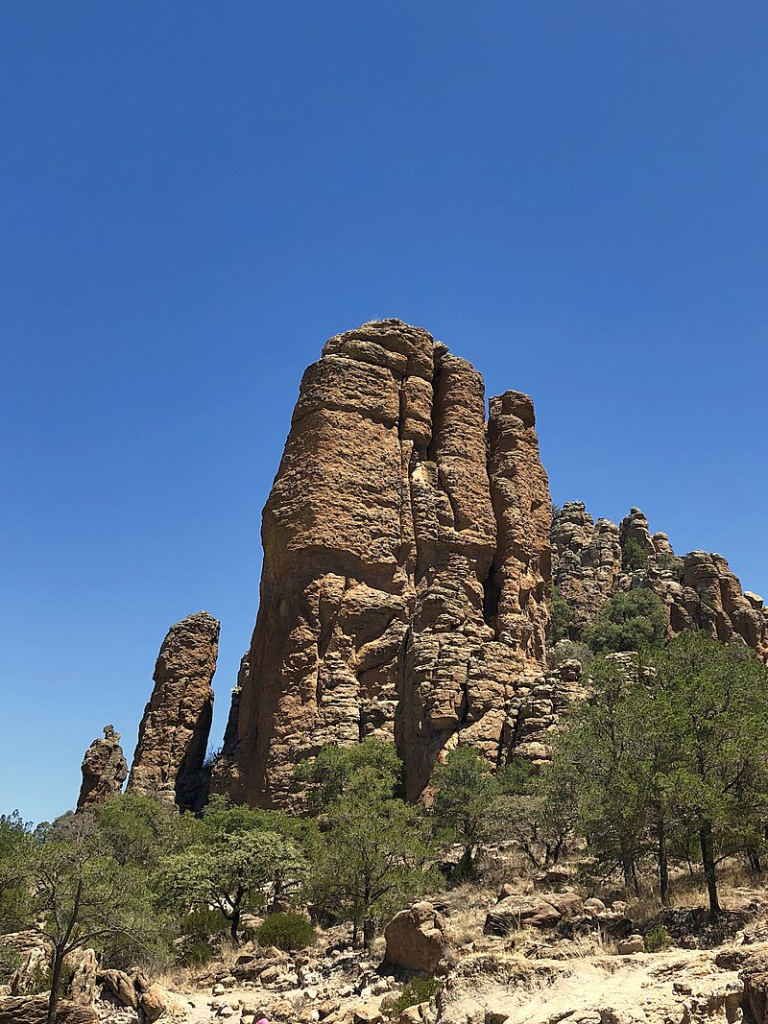
Here are three daytime photos from the Sierra de Organos National Park:
Here’s how the article begins: “Mexican President Claudia Sheinbaum praised the growth of Canadian tourism during a press conference with Canadian Prime Minister Mark Carney on Thursday [September 18th], highlighting a trend that has coincided with a decline in international visitors to the United States.”
And, “It is not just Canadian visitors who are flocking to Mexico; the country is reporting record numbers of tourists from all over the world, including the U.S., which in turn is fueling a boom in hotel development. This boom started in 2023, when the country started recovering from the disruptions caused to the sector by the COVID-19 pandemic.”
“According to Mexican Secretary of Tourism Josefina Rodríguez Zamora, Mexico welcomed 23.4 million international tourists in the first six months of the year, up 7.3 percent from the same period a year earlier and 6.2 percent above 2019 levels. In the month of June alone, international tourism grew 10 percent year-over-year.”
“In July, according to official data, Mexico reported a 12.3 percent increase in international arrivals from the previous year, led by visitors from the U.S. and Canada, many of whom flocked to its beaches.”
“Of all visitors that went to Mexico between January and June, 5.7 million were cruise passengers—up 9.6 percent from the first six months of 2024—who brought the country $484.2 million in revenues. Overall, revenues from international tourists reached $18.68 billion between January and June, representing a 6.3 percent increase from the same period a year earlier.”
According to the article, there’s a relation between the U.S. decrease and the Mexican increase.
“While several factors contribute to Mexico’s tourism growth, including a surge in investment in the sector, the country appears to have benefited from a decline in visitors to the U.S. since Trump’s return to the White House, particularly among Canadians.”
“The majority [sic] of the 23.4 million international tourists who visited Mexico in the first six months of the year came from the U.S., totaling 7.36 million people. The second-highest share of visitors within the same period, totaling 1.68 million, came from Canada. This number increased by 11.8 percent from the previous year, indicating a significant shift between 2024 and 2025.”
Note that these figures are from the period from January to June of 2025.
“International tourism to the U.S. has declined in recent months, as the country experienced what some have called the ‘Trump Slump.’ “
“Between January and May, international arrivals were down 2.4 percent compared to the same period in 2024, according to data by the U.S. Department of Commerce’s International Trade Administration (ITA).”
“In July, the latest data from Tourism Economics’ Global Travel Service showed that overseas arrivals to the U.S. dropped 3.1 percent year-over-year, bringing the year-to-date decline to 1.6 percent. In August, the number of overseas visitors to the U.S. reported another year-over-year decline, with 3.5 million arrivals, down 2.9 percent from the same period a year earlier.”
“A majority of this decline can be attributed to a decline in visitors from Western Europe, Asia, and Canada. The number of visitors to the U.S. coming from the Great White North was down 25.2 percent year-to-date as of July, including a 37 percent drop in land arrivals in July alone—a loss that affected states bordering Canada the most.”
“In the first half of the year, the number of Canadians traveling to the U.S. by land was down about 33.1 percent year-over-year, while the number of those traveling by air was down roughly 22.1 percent, according to Canada’s national statistics agency.”
“This slowdown in tourism appears to be a direct response to Trump’s immigration policies, which earlier this year raised concerns among visitors from around the world about being denied entry to the country upon arrival.”
“ ‘Lengthy visa interview wait times, stricter border and immigration policies, potential tariffs, the dollar’s strength, and U.S. travel restrictions for certain countries’ are all factors that a recent report from the Congressional Research Service mentioned as possibly linked to the recent plunge in international tourism.”
Plus, many Canadians are boycotting visiting the U.S. specifically due to Trump’s tariff and 51st-state talk.
“However, while Americans are leading the way in Mexico’s tourism boom, Mexicans seem to be returning the favor, boosting tourism to the U.S. Mexican visitation to the U.S. increased by nearly 14 percent in the first six months of the year compared to the same period in 2024.”
Now that’s interesting. Despite the general drop in tourism to the U.S., Mexican tourism to the U.S. is up!
“This, however, is not enough to prop up the sector alone. According to estimates by the World Travel & Tourism Council, international visitor spending in the U.S. is expected to fall below $169 billion this year, down from $181 billion last year.”
An article from Mitú reports that “Mexico’s tourism is seeing a surge of international travelers, especially among Americans and Canadians. According to data, July tourism numbers are 12.3 percent higher in 2025 than in July 2024. The new data shows that tourism in Mexico is becoming the moment. Tourists from around the world are visiting the major cities and cultural sites and pumping money into the country’s economy.”
The article reports that “Border tourists spent the least at $121 per person. Tourists who entered by land spent around $359 per person. Meanwhile, travelers who entered Mexico by plane spent on average $1,194 per person.”
Mexico is the world’s sixth most-visited country, and the Mexican government has a plan to get it up to #5 by 2030.
As reported by the New York Times, “The leaders of Canada and Mexico, the United States’ two largest trading partners, met in Mexico City on Thursday [September 18th] without their U.S. counterpart — but the trade chaos brought by President Trump still filled the room.”
“Prime Minister Mark Carney of Canada and President Claudia Sheinbaum of Mexico focused the meeting at the National Palace on trade, security cooperation and investments in areas like mining, agriculture and natural gas.”
“But looming over everything was the desire of the two leaders to preserve their free trade partnership with the United States, which has so far limited the effect of President Trump’s tariffs on their economies. This week, Mexico and the United States opened public consultations on the trade pact, the U.S.-Mexico-Canada Free Trade Agreement, or U.S.M.C.A., the first step in a review of the agreement. Canada is expected to follow shortly.”
On the 19th of September, Prime Minister Carney tweeted this: “Here in Mexico City, President@ClaudiaShein and I met with business leaders from across Canada and Mexico. We’re elevating our partnership and delivering the certainty that businesses need to invest — and building opportunities for workers in both our nations.”
Just how much trade do Canada and Mexico currently have with each other?
As it turns out, not that much, in the big scheme of things. But it’s something.
As the New York Times explains, “Though they are bound together in a trade deal with the United States, the two countries’ own economic and cultural relations have always been distant.”
“Mexico accounted for 1 percent of Canadian exports last year, and Canada represents around 3 percent of Mexico’s export market. Separated by the United States, both countries long prioritized trade with their giant neighbor rather than building ties with each other across, over or around it. Bilateral meetings between them have been rare.”
But hey, Mexico’s Grupo Bimbo is in Canada. Grupo Bimbo is the world’s biggest bakery company, the biggest bakery company in the U.S. and the biggest bakery company in Canada. See my recent article Grupo Bimbo in Canada.
The leader of the CJNG is Nemesio “el Mencho” Oseguera, worth a 15 million dollar bounty from the U.S government. Here is a Wanted Poster for Oseguera when he was still worth 10 million. :
From the article: “From a heavily guarded mountain hideout in the heart of the Sierra Madre, 59-year-old Nemesio “Mencho” Oseguera reigns as the new drug king of Mexico, aided in his ascendance by America’s resurging love of cocaine and the Trump administration’s escalating war on fentanyl.”
So you see, the changing drug demand north of the border is part of the change in the cartel alignment in Mexico.
The CJNG cartel is now #1, having surpassed the internally-warring Sinaloa Cartel.
“Oseguera spent decades building his Jalisco New Generation Cartel into a transnational criminal organization fierce enough to forge a new underworld order in Mexico, displacing the Sinaloa cartel, torn by warring factions, as the world’s biggest drug pusher.”
Plus, demand in the U.S. for fentanyl is dropping, demand for cocaine is rising.
“The Sinaloans, Mexico’s top fentanyl traffickers, got caught in the crosshairs of the Trump administration, which promised to eradicate the synthetic opioid. The crackdown has left an open field for Jalisco and its lucrative cocaine trade, elevating Oseguera to No. 1.”
The article quotes Derek Maltz, “who served this year as interim chief of the Drug Enforcement Administration”.
Quoth Maltz, “ ‘Mencho’ is the most powerful drug trafficker operating in the world.” And, “What is happening now is a pivot to much more cocaine distribution in America.”
So how’s the U.S. cocaine market doing?
“Cocaine sold in the U.S. is cheaper and as pure as ever for retail buyers. Consumption in the western U.S. has increased 154% since 2019 and is up 19% during the same period in the eastern part of the country, according to the drug-testing company Millennium Health. In contrast, fentanyl use in the U.S. began to drop in mid-2023 and has been declining since, according to data from the Centers for Disease Control and Prevention.”
There are varying social perceptions of different drugs.
“For new users, cocaine doesn’t carry the stigma of fentanyl addiction. Middle-class addicts and the tragic spectacle of homeless crack-cocaine users in the 1990s helped put a lid on America’s last cocaine epidemic.”
Oseguerra can claim a rags-to-riches story made possible by the big bucks in the drug business.
“Oseguera, who grew up poor selling avocados, is making a killing from cocaine buyers in the U.S. His cartel transports the addictive powder by the ton from Colombia to Ecuador and then north to Mexico’s Pacific coast via speedboats and so-called narco subs.”
Oseguera stays where he is safe and well-protected.
“The U.S. has a $15 million bounty on Oseguera, but he rarely leaves his mountain compound, according to authorities. Few photos of him circulate. The cadre of men protecting Oseguera, known as the Special Force of the High Command, carry RPG 7 heat-seeking, shoulder-fired rocket launchers capable of piercing a tank, people familiar with cartel operations said. Visitors to the drug lord’s stronghold are hooded before they embark on the six-hour car trip through terrain sown with land mines, those people said. Locations of the pressure-activated explosives are known only by members of Oseguera’s inner circle.”
The crackown on the Sinaloa Cartel actually helped Oseguera and the CJNG.
“Oseguera’s fortunes rose after the U.S. pressured Mexico to crack down on the Sinaloa cartel, where Oseguera got his start in the trade. The Sinaloans pioneered the manufacturing and smuggling of fentanyl, an industry breakthrough that sent cartel revenue soaring and drove up the number of fatal overdoses in the U.S. For the Sinaloans, landing in the administration’s spotlight couldn’t come at a worse time.”
“The capture of Sinaloa cartel leader Joaquín ‘El Chapo’ Guzmán in January 2016 and his extradition to the U.S. a year later, set in motion a precipitous decline. Guzmán’s four sons inherited their father’s empire, highly valued for its network of smuggling tunnels beneath the U.S.-Mexico border, used for moving cocaine, fentanyl and other contraband.”
“The sons, known collectively as the little Chapos, or ‘Chapitos,’ shifted production resources to fentanyl, which compared with the heroin their father had brought into the U.S. by the ton is easier to smuggle and costs just a fraction to produce.”
“The Chapitos triggered an internecine war last year as a result of a plot against Ismael ‘El Mayo’ Zambada, the 70-something co-founder of the Sinaloa Cartel. Zambada was forced aboard a private plane bound for the U.S. by Joaquin Guzmán , one of El Chapo’s sons, who hoped for leniency from U.S. prosecutors.”
“Both men were taken into U.S. custody when they landed outside of El Paso, Texas. Zambada pleaded guilty to drug-trafficking charges last month and faces a possible life sentence. Guzmán, still in custody, pleaded not guilty to trafficking charges.”
“Zambada’s capture led to a violent split between men loyal to Zambada’s son, Ismael ‘Mayito Flaco’ Zambada, and those allied with the Chapitos. An estimated 5,000 people from both camps have been killed or gone missing in the conflict, along with bystanders caught in the crossfire. Mexico has sent 10,000 federal troops in the past year to the state of Sinaloa, where the federal government has been largely helpless to end the fighting.” [See here].
“Hemmed in by U.S. and Mexican authorities on one front, and Zambada’s men on the other, the Chapitos swallowed their pride and sought the help of Oseguera, once a sworn enemy. Each side had something the other wanted. Oseguera agreed to meet, looking to a future where he and his Jalisco cartel would rule as Mexico’s dominant criminal enterprise.”
This led to a deal between the CJNG and the Chapitos faction of the Sinaloa Cartel. (See here.)
“In December, Oseguera sat down with a top lieutenant of Iván Archivaldo Guzmán, who leads Sinaloa’s Chapito faction. At the meeting in Mexico’s western state of Nayarit, Oseguera, who was operating from a position of strength, agreed to supply the Chapitos with weapons, cash and fighters.”
“In exchange, the Sinaloans opened their smuggling routes and border tunnels into the U.S., said people familiar with the meeting. The Jalisco cartel previously paid hefty fees to use the tunnels to move drugs beneath the U.S.-Mexico border, people familiar with its operations said.”
The agreement included a division of the U.S. drug market.
“The agreement also divvied up the U.S. trafficking trade, these people said: The Chapitos would keep their focus on serving American fentanyl addicts. Oseguera would concentrate on cocaine and its down-market cousin, methamphetamine. The Jalisco cartel now ferries tons of cocaine and record amounts of methamphetamine into the U.S. through Sinaloan-built tunnels, as well as fentanyl, the people familiar with cartel operations said.”
“The Sinaloa-Jalisco agreement was ‘an unprecedented event in the balance of organized crime,’ Mexico’s attorney general’s office said in a July report. The Jalisco cartel compares with the Sinaloa cartel at the height of its power before El Chapo’s arrest, according to the DEA’s [US Drug Enforcement Administration‘s] latest drug-threat assessment.”
There’s now a glut of cocaine, bringing down prices.
“Colombia is producing records amounts of cocaine, and the volume of the drug arriving in the U.S. is driving down prices, the people familiar with cartel operations said.”
“Cocaine prices have fallen by nearly half to around $60 to $75 a gram compared with five years ago, said Morgan Godvin , a researcher with the community organization Drug Checking Los Angeles. ‘The price of pure cocaine has plummeted,’ Godvin said.”
Like a typical successful big business, the CJNG has branched out into other enterprises besides drugs.
“The Jalisco cartel also draws steady revenue from diverse sources outside narcotics.”
“The cartel acts as a parallel government in the southwestern state of Jalisco and other parts of Mexico, taxing such goods as tortillas, chicken, cigarettes and beer, security experts said. It controls construction companies that build roads, schools and sewers for the municipal governments under cartel control.”
“A booming black market for fuel is another cash cow. Gasoline and diesel stolen from Mexican refineries and pipelines—or smuggled into Mexico from the U.S. without paying taxes—is sold at below market prices to small and large businesses. U.S. officials estimate as much as a third of the fuel sold in Mexico is illicit. The head of the Jalisco cartel’s fuel division is nicknamed ‘Tank’ for his prowess at stealing and storing millions of gallons of fuel.”
“The cartel profited from the passage of migrants bound for the U.S., charging them thousands of dollars each to pass through territory it controls. And in recent years, the cartel has operated more than two dozen call centers to scam senior citizens out of hundreds of millions of dollars in a vacation-timeshare fraud, according to the Treasury Department.”
Another thing about cartels is some Mexicans see them as beneficial.
“Oseguera, celebrated as ‘El Señor Mencho’ in narco-ballads, is viewed as an altruistic patriarch by some poor Mexicans living in areas controlled by the cartel, which organizes town fiestas and hands out food, medicine and toys.”
“Hundreds of gunmen trained by former Colombian special forces work for Oseguera, according to Mexican officials. He travels through his territory in a small convoy of armored vehicles with a team equipped to fight off aggressors until reinforcements arrive. He had a specialized medical unit built near his mountain hideout to care for his advanced kidney disease, according to people familiar with the matter.”
To summarize, Oseguera and his CJNG Cartel are now the most powerful in Mexico, thanks to American consumers, pressure on the Sinaloa Cartel and its war against itself.
From the U.S. State Department: “Today [September 16th], the Department of State’s Bureau of International Narcotics and Law Enforcement Affairs is announcing a reward offer of up to $5 million under the Narcotics Rewards Program (NRP) for information leading to the arrest and/or conviction of Sinaloa Cartel leader Juan José Ponce Félix, a/k/a ‘Jesús Alexandro Sanchez Félix’ and ‘El Ruso,’ for violating U.S. narcotics laws.”
“According to the DEA and FBI, Ponce Félix is the founder and leader of Los Rusos [“the Russians”], the primary armed wing of La Mayiza. La Mayiza is a powerful faction of the Sinaloa Cartel, a designated Foreign Terrorist Organization co-founded and led by Ismael Zambada Garcia, a/k/a ‘El Mayo.’ The cartel’s La Mayiza faction manages the production and trafficking of fentanyl, cocaine, marijuana, heroin, and methamphetamine from northwest Mexico into the United States.“
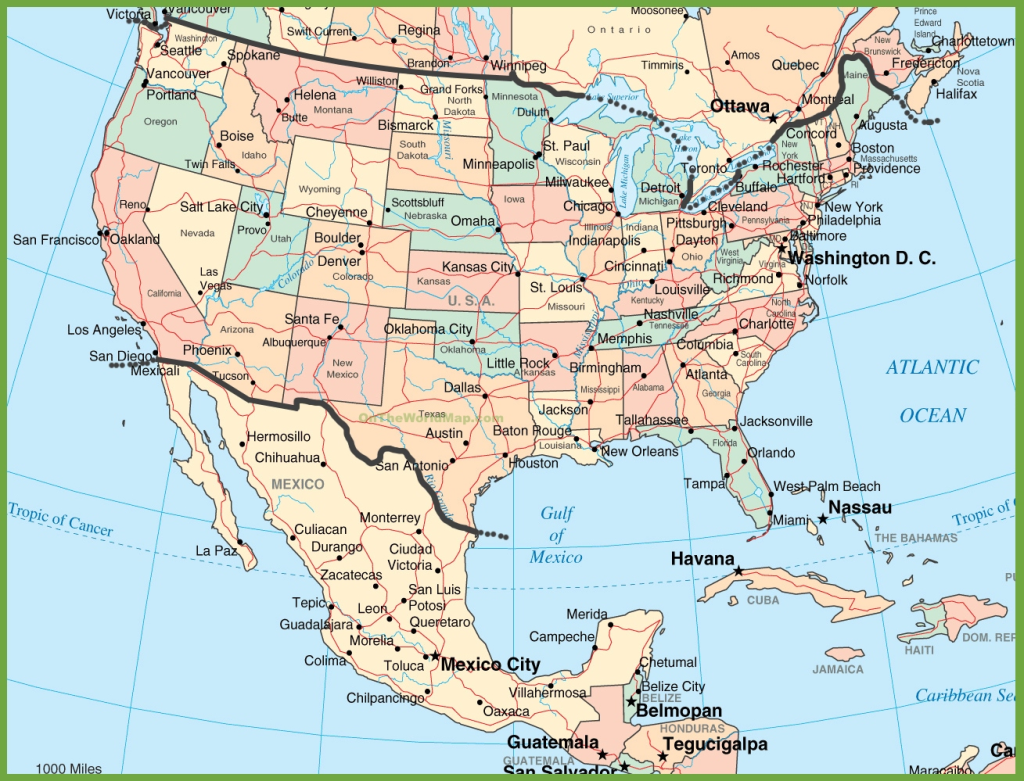
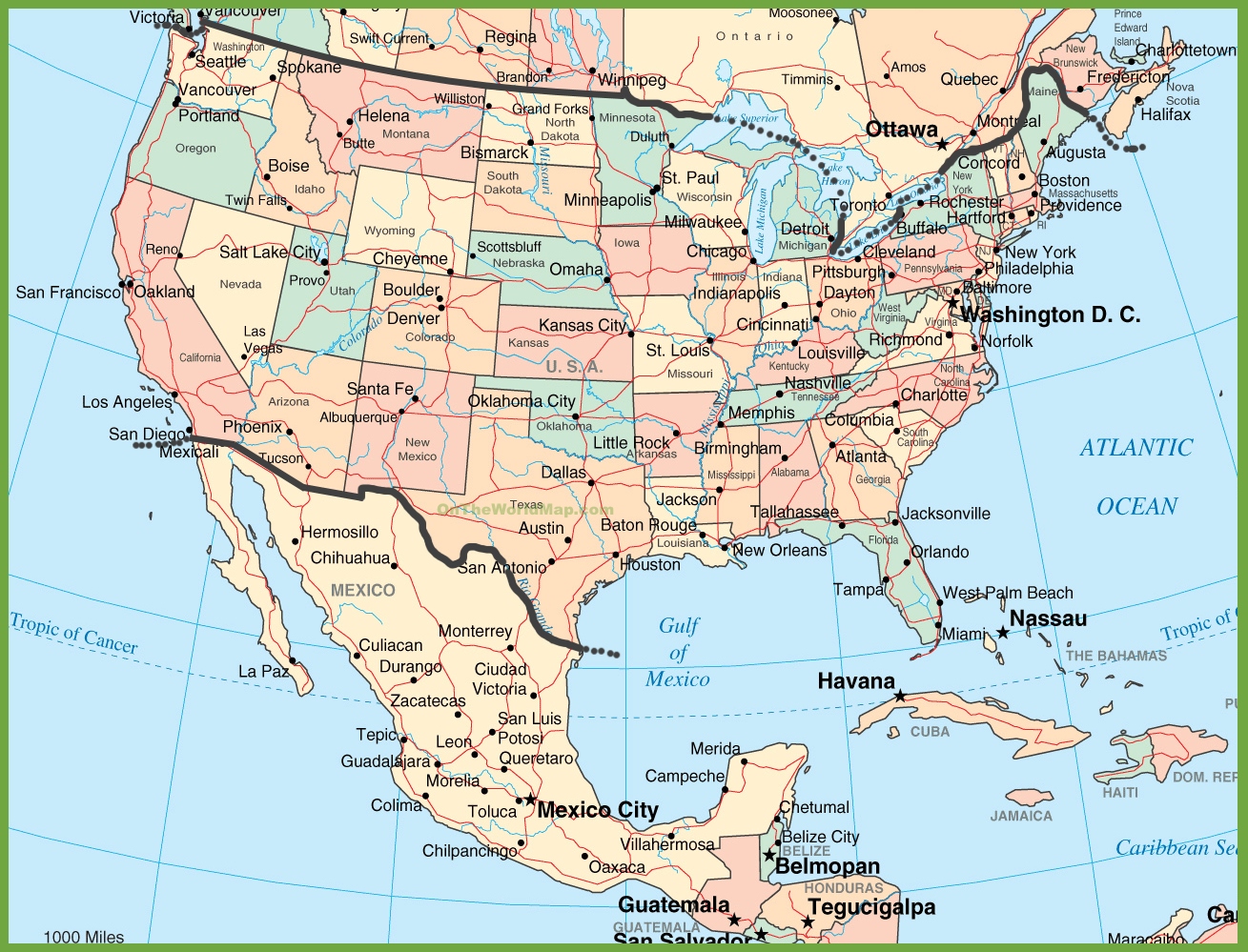
Ponce Felix is believed to be in Mexicali, the capital of Baja California state. Mexicali lies on the Mexico-U.S. border.
The U.S. State Department specifies that “ALL IDENTITIES ARE KEPT STRICTLY CONFIDENTIAL” which is important if one is proffering information to the U.S. government about a Mexican drug cartel figure.
The same document states that “Government officials and employees are not eligible for rewards.”
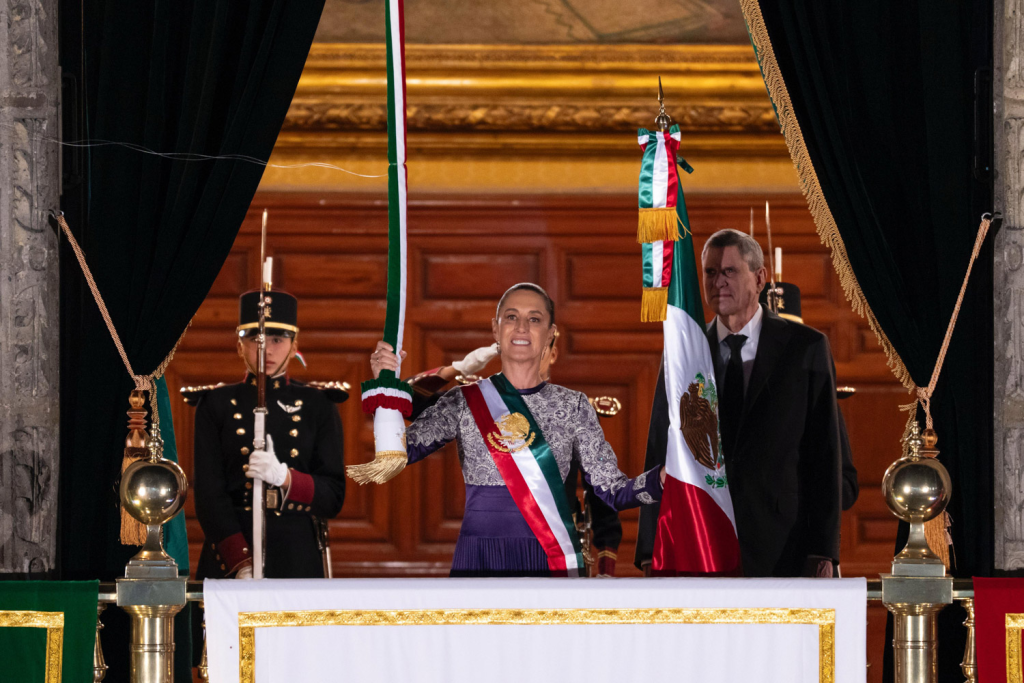
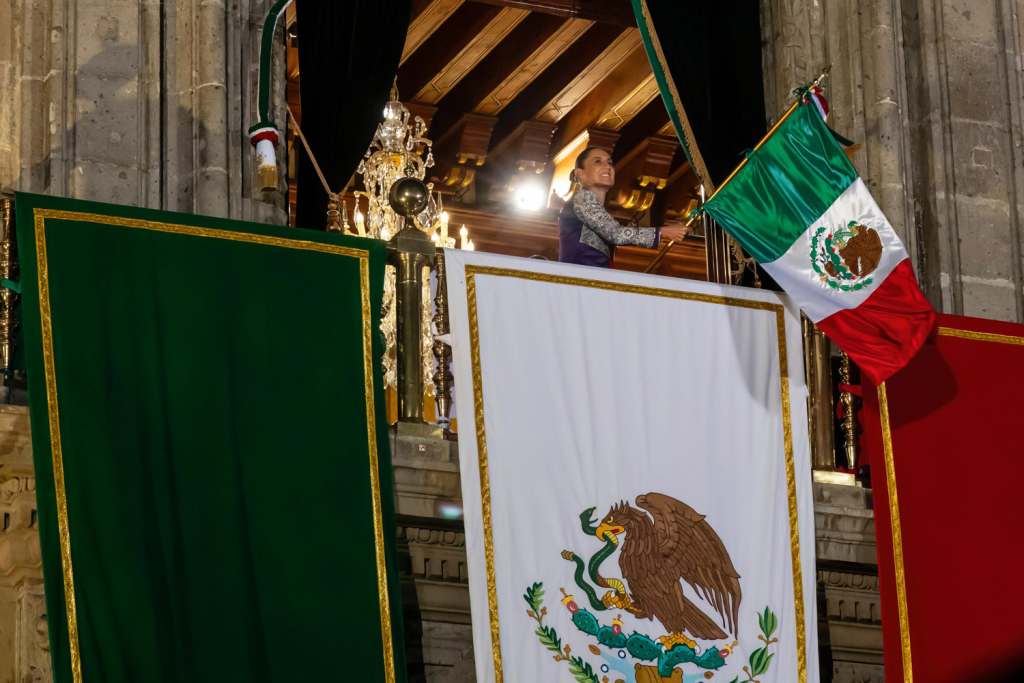
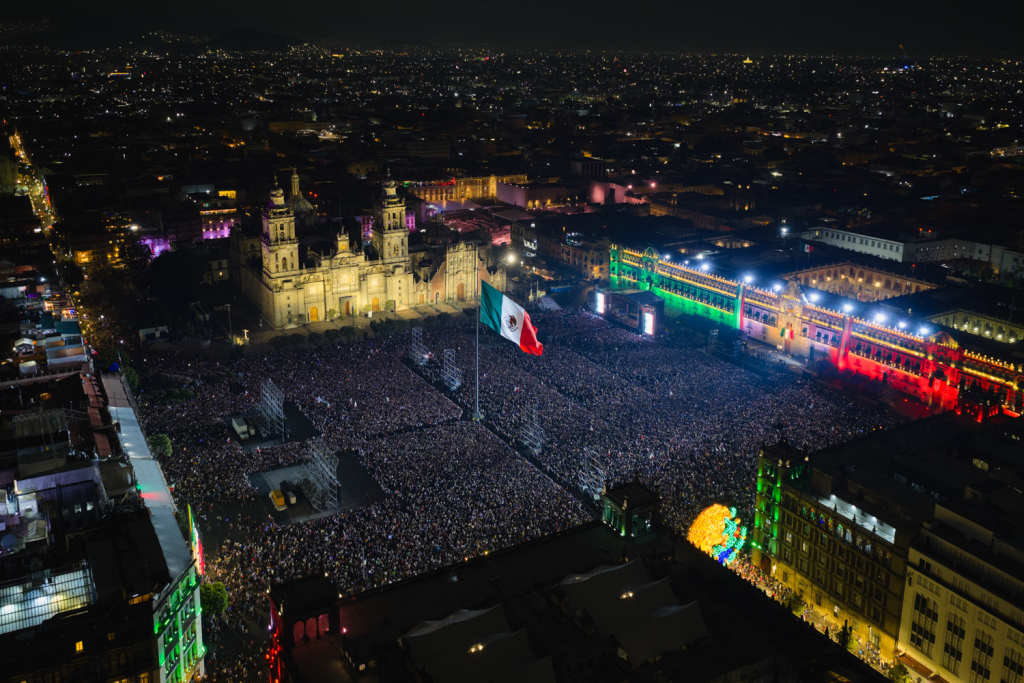
On the night of September 15th, 2025, President Claudia Sheinbaum presided over her first Grito ceremony as President of Mexico.
Mexican Independence Day is September 16th, but really it starts on September 15th.
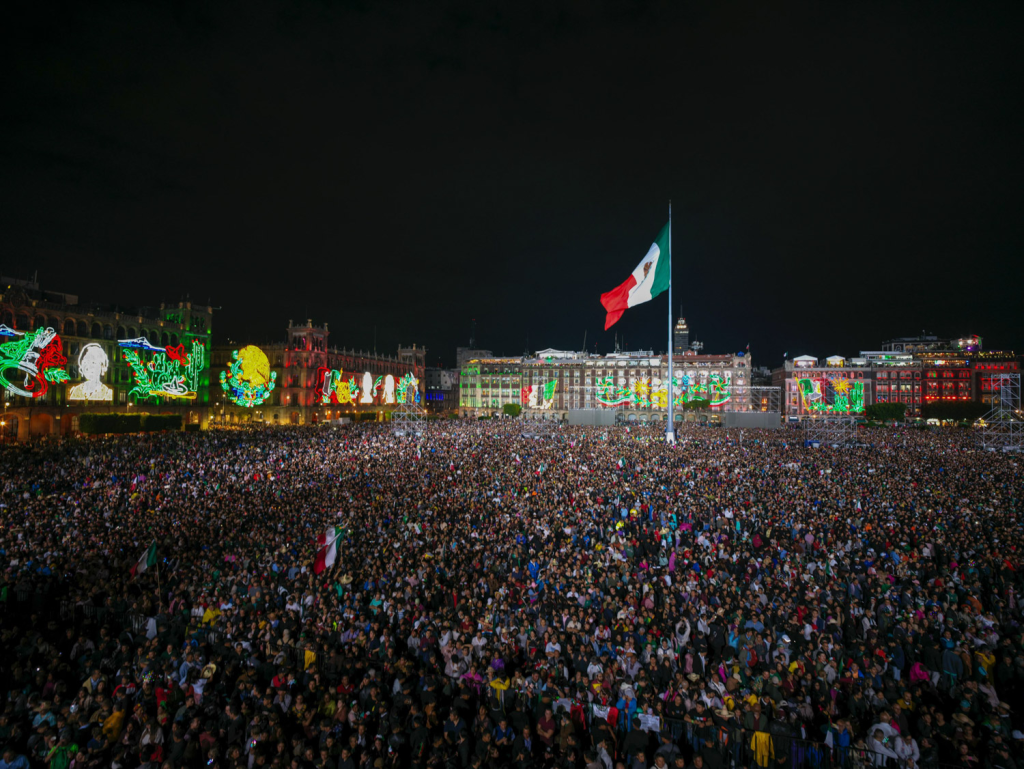
On the night of September 15th, a ceremony is held in the Zocalo Plaza in Mexico City, and in state capitols and city halls throughout the country.
The ceremony is called “El Grito”, the “shout” or “cry”, commemorating the Grito of Miguel Hidalgo in 1810 which publicly initiated a movement which eventually became a movement for the independence of Mexico.
In the ceremony in the Zocalo, the president comes out on to a balcony of the Palacio Nacional and rings a bell (similar to the Liberty Bell in the U.S.) after shouting a series of Vivas, “Viva” meaning “Long Live…” to commemorate Mexican historical figures.
Then he (now she) rings the bell a lot and waves the flag, and the national anthem is sung.
In the state capitols and cities, the ceremony is presided over by the governor or mayor.
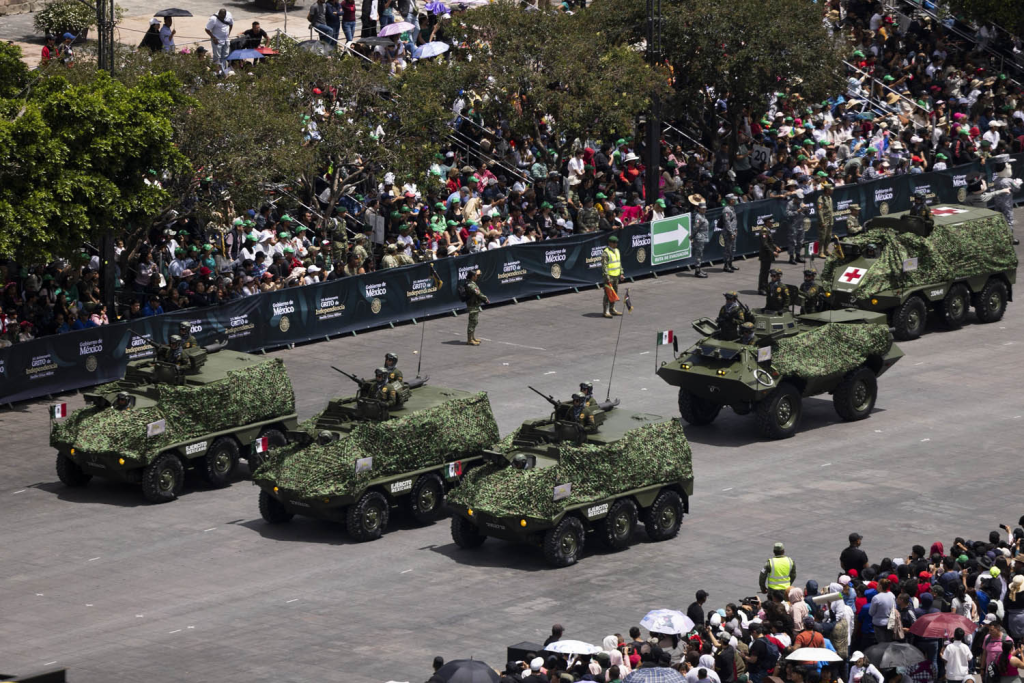
The next day, on the 16th, there is a military parade.
So at 11 p.m. on September 15th, Claudia Sheinbaum, who took office October 1st, 2024, presided over her first Grito as Presidenta.
On September 11th, Mexican President Claudia Sheinbaum lamented and condemned the assassination of U.S. conservative activist Charlie Kirk on the day previous.
President Sheinbaum made the comments near the beginning of her morning press conference. They were planned comments, and not in response to a question. (Text here, video here).
President Sheinbaum stated that she’d wanted to comment on two topics.
The first was to lament the explosion of a gas tanker explosion which killed 8 and injured at least 90 in the Iztapalapa borough of Mexico City, also the day previous.
Then President Sheinbaum said that “The second [topic], also to lament the occurrence in the United States yesterday with this activist, this activist person, Charlie Kirk. We are also totally against any violence, and particularly political violence. Therefore, also our condemnation to actions of this type.”







.svg)