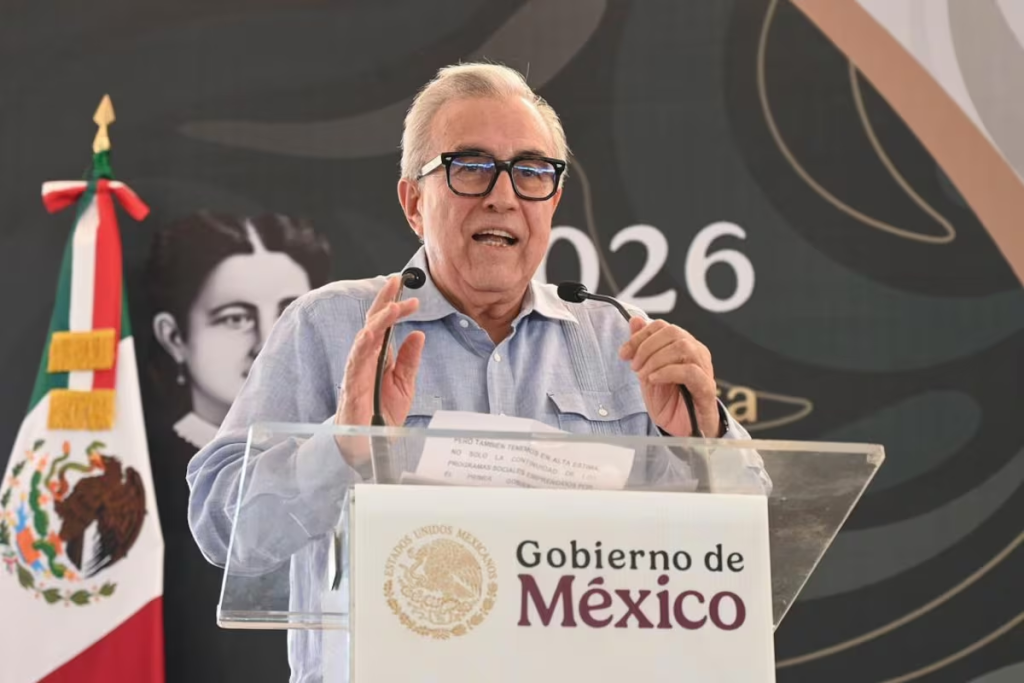
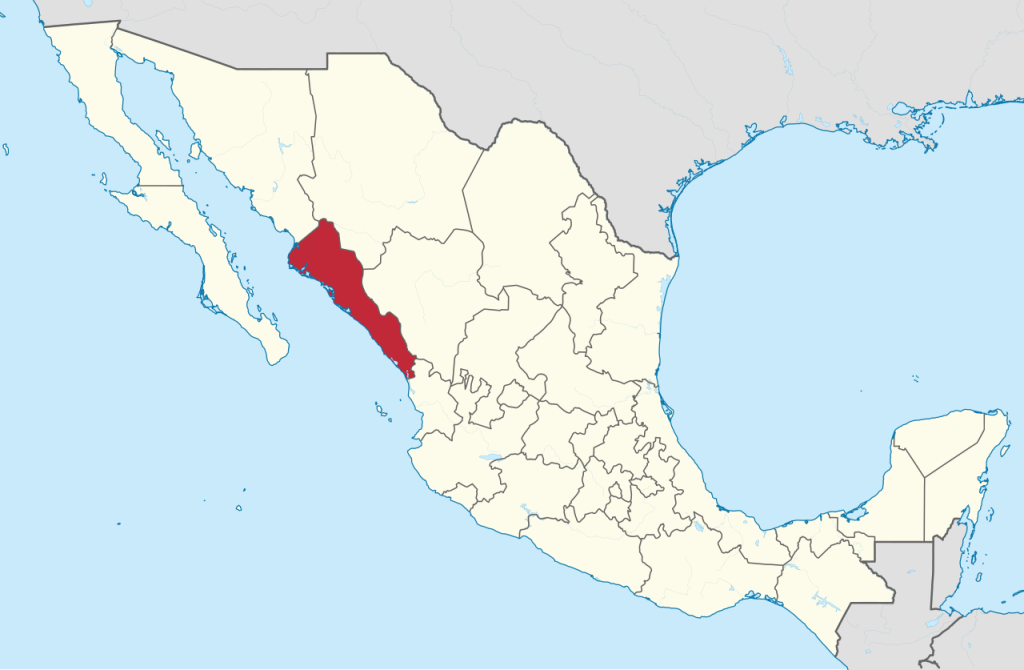
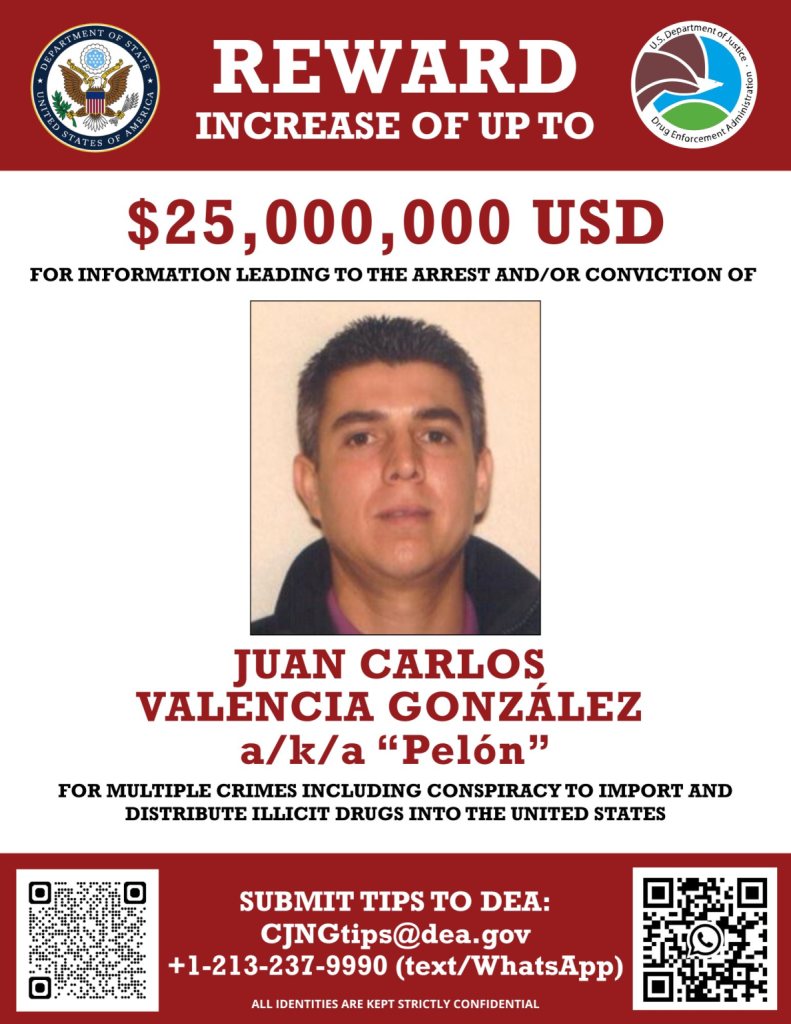
On August 21st, Ruben Rocha returned to the office of Governor of the state of Sinaloa. Rocha had been on a leave of absence after he was indicted by a U.S. federal court for collaboration with the the Chapitos faction of the Sinaloa Cartel. (See Ruben Rocha Returns to the Office of Governor of Sinaloa).
So Rocha returned to office on August 21st. But on August 22nd, he asked for another leave of absence.
From CBS News: “The governor of a Mexican state who is wanted by the United States on drug trafficking charges abruptly stepped down from his role, one day after returning to office. Sinaloa Gov. Ruben Rocha Moya said in a social media post on Friday [August 21st] that he was resuming leadership of the northwestern state, a role he stepped away from in May to face an investigation by Mexican prosecutors. On Saturday [August 22nd], less than a day later, he shared a document on Xasking the state congress to authorize ‘a temporary leave of absence of indefinite duration, exceeding 30 days.’”
On the 23rd of August, a Sunday, the Sinaloa legislature held a special session and gave Rocha permission to step down temporarily.
From Excelsior: “The Sinaloa legislature unanimously approved a new, indefinite leave of absence for Ruben Rocha Moya, who had scarcely retaken his functions as governor 34 hours earlier to again request a suspension from office.”
The next step?
“With the approval of the state legislature, the process now begins to determine who will be the interim governor of Sinaloa while Rocha is on the leave of absence.”
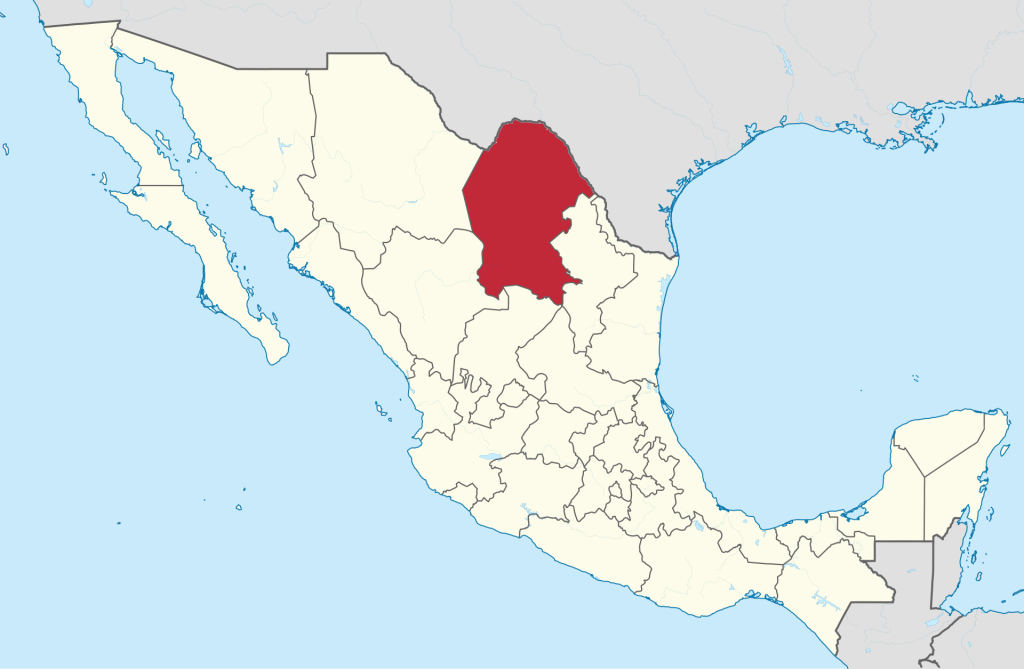
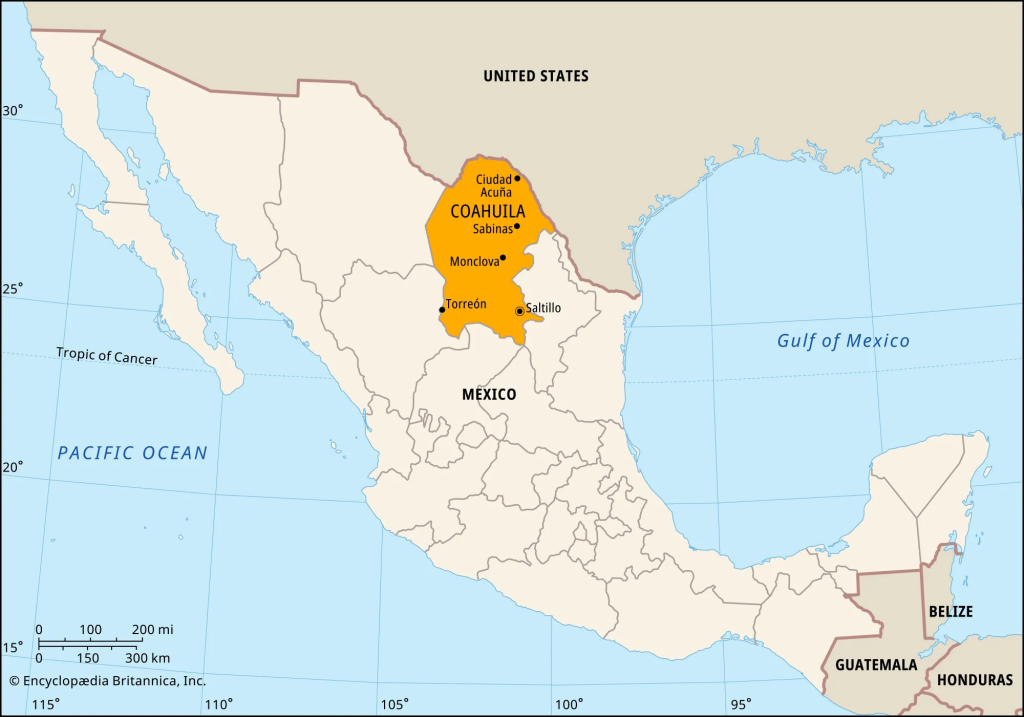
The state of Coahuila is located on Mexico’s northern tier of states, across the Rio Grande from Texas. Coahuila is arid, with some stunning desert scenery.
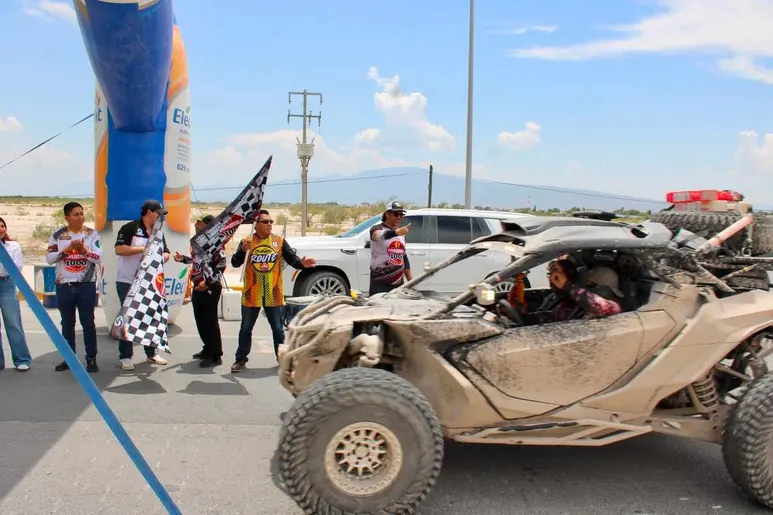
Coahuila is the site of an off-road rally-type race, the Coahuila 1000. A rally race is not a race on a circuit race track. In a rally the contestants race their vehicles from point to point on a highway or off-road.
The 2026 Coahuila 1000 was held from August 13th to August 16th. It is said to have generated an economic impact of 75 million pesos in the state of Coahuila. To its credit, there were no injuries, which is noteworthy given that the contestants are racing vehicles through the desert in the month of August.
There were over 400 drivers from 11 countries participating.
The two formats were “the Tourist Route”, which was not a competition, the goal simply being to follow a scenic route from Torreon to Monclova.
The competitive format was the Desert Rally, 1000 kilometers in length, thus the name “Coahuila 1000”. Of the 400 drivers, about 130 competed in the Desert Rally. There were one million pesos of prize money distributed among contestants in 14 vehicle classes.
The Desert Rally began in Torreon, went to Saltillo, and from there to Monclova for the finish line. That’s a lot of desert to pass through!
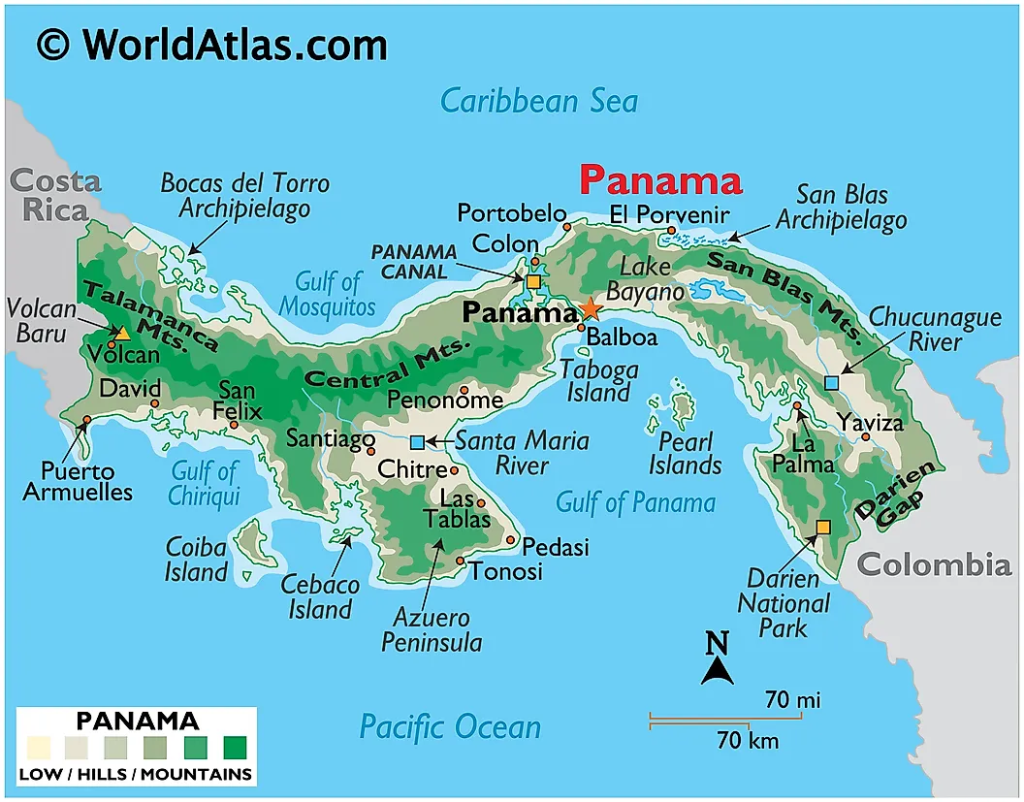
See the map below, the 3 cities of Torreon, Saltillo and Monclova are in the southern part of the state:
Mauricio Reynoso placed first in the Pro Moto category, and was also the overall champion of the Coahuila 1000. Emilio Velazquez of Oaxaca won the Rookie Award.
Governor Rocha took a temporary leave of absence from the governorship, in order to fight the charges. In the middle of May it was reported that despite his leave of absence he was still involved in the governance of Sinaloa.
But now, Rocha has returned to his post as governor.
From Reuters: “The governor of Mexico’s Sinaloa state, Ruben Rocha Moya, returned to office on Friday [August 21] after taking leave for more than three months following U.S. drug trafficking charges, a move likely to deepen strains between Mexico and the United States. Rocha, 77, a member of Mexico’s ruling Morena party, said in a statement posted on X that he was resuming his duties with a ‘clear conscience’ and his ‘head held high.’ The development marks a remarkable turnaround for Rocha, who has not only avoided, for now, extradition to the United States but has also reclaimed the governor’s office.”
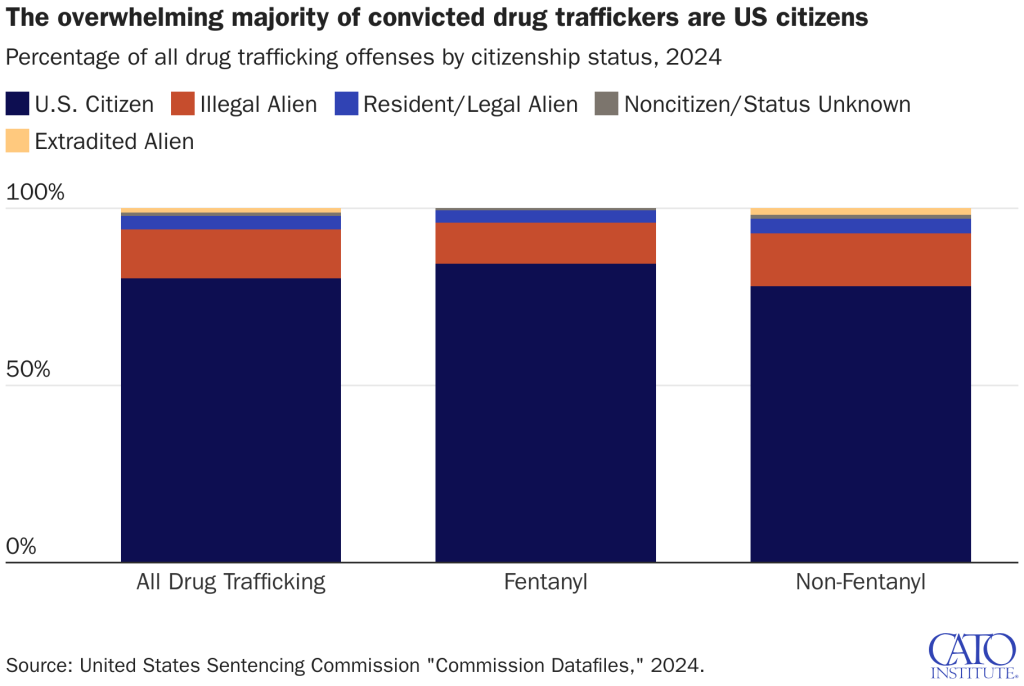
The Trump administration is fighting the Mexican cartels. But I never hear Trump talk about the massive American contribution to the Mexican cartels.
U.S. drug addicts, after all, are the main consumers of the drugs sold by Mexican cartels. That makes American drug users the main financiers of the Mexican drug cartels. I wish President Trump would point that out.
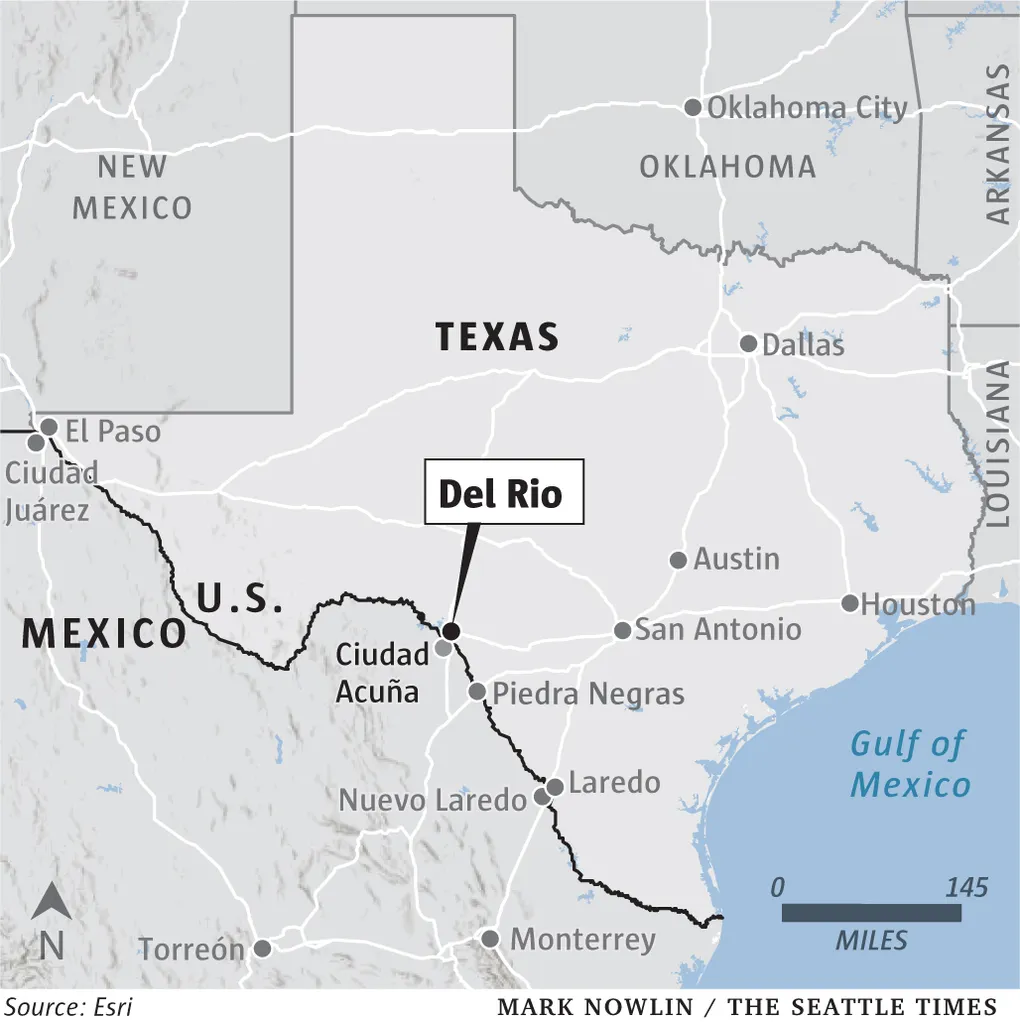
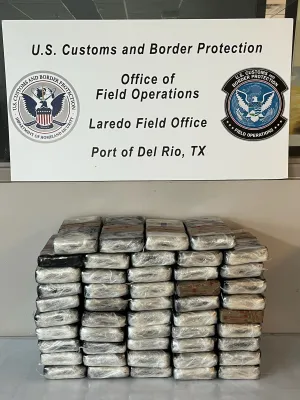
This incident was recently reported by US Customs and Border Protection: “U.S. Customs and Border Protection, Office of Field Operations officers at Del Rio Port of Entry recently seized more than $1.7 million in cocaine.”
Here’s how it went down : “The seizure occurred on Aug. 4 at the Del Rio International Bridge when a CBP officer referred a 2013 Dodge Durango driven by a 29-year-old male United States citizen for secondary inspection. CBP officers conducted a secondary examination of the vehicle that included utilization of a nonintrusive inspection system. Upon a physical examination, CBP officers discovered 49 packages containing a total of 129.67 pounds of alleged cocaine hidden within the quarter panels of the vehicle. The cocaine had a combined estimated street value of $1,731,425. CBP seized the narcotics. Homeland Security Investigations special agents have made one arrest and have initiated a criminal investigation.”
Notice, it was a U.S. citizen carting the cocaine across the border. If we don’t recognize the American contribution to the Mexican cartels, how can we effectively fight them?
Although the angry public letter addressed to Trump was attributed to Andy Lopez Beltran, it’s been alleged that it was actually drafted by his dad AMLO.
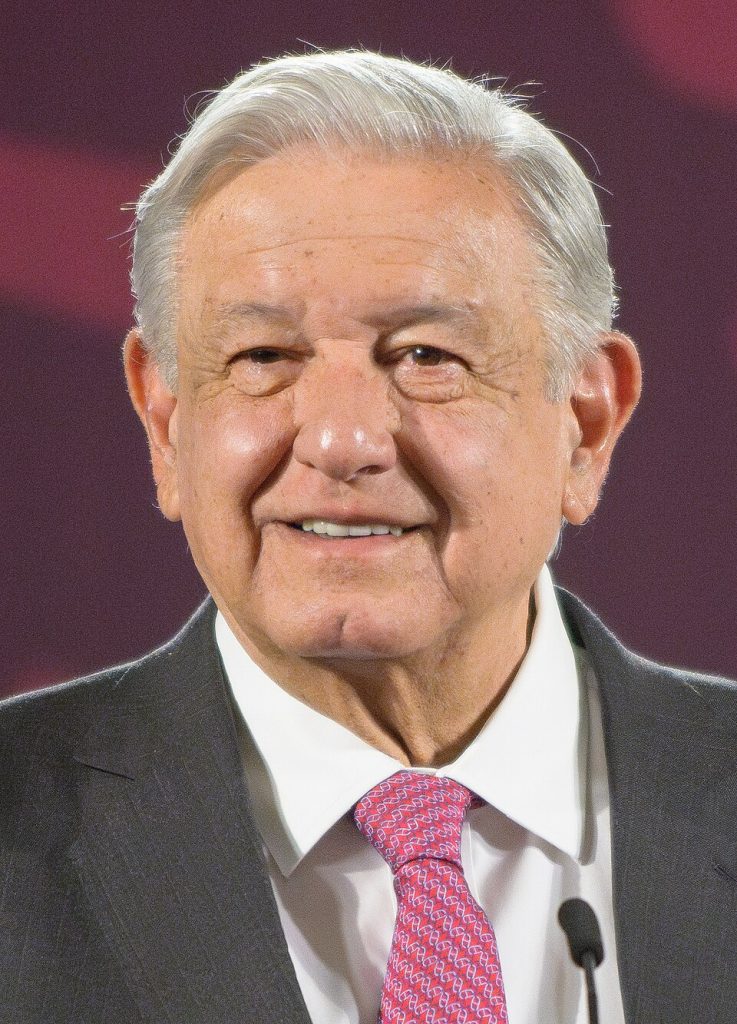
AMLO in June of 2024, while still President of Mexico Source: EneasMX
Mexico Daily Post also reports that “According to journalist Salvador García Soto, in his column for El Universal, José Ramón López Beltrán and Gonzalo López Beltrán would also have lost their visas to enter the United States.” Those are Andy’s brothers.
“The journalist attributed the decision to a ‘pressure strategy by Trumpism, which has been increasingly escalating in tone and in actions against the political class governing Mexico.’ ”
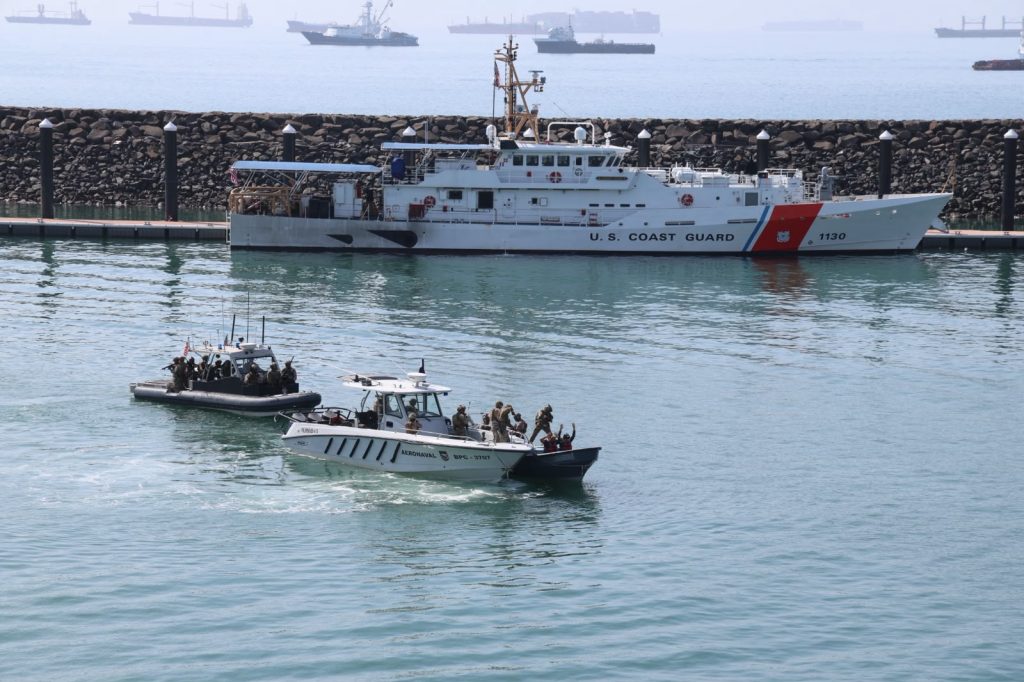
According to a press release from the U.S. Embassy in Panama: “PANAMAX 2026 concluded today [August 13th] in Panama, marking the first time the exercise has been held live and in the field since 2012. From August 3–13, the United States, Panama, and 17 other partner nations trained together to defend the Panama Canal, harden regional readiness, and build the collective capability to dismantle shared threats to the Western Hemisphere.
The press release quoted the U.S. ambassador to Panama: “ ‘PANAMAX 2026 showed what happens when the United States, Panama, and our partners train with purpose and act as one. Under President Trump’s leadership, we moved PANAMAX from a tabletop exercise back into the field—securing the Canal and taking the fight straight to the cartels,” stated U.S. Ambassador Kevin Marino Cabrera.”
More from the press release: “Over the 11-day exercise, participants conducted maritime drills, small-boat operations, search and seizure training, cyber defense, air assault missions, and special operations training focused on defending critical infrastructure and defeating threats to the region — sharpening the interoperability and hard power needed to respond as one force.”
“Alongside the Americas Counter Cartel Coalition (A3C) forum, which also took place this week with our partner nations, the mission remains clear: dismantle the cartels once and for all, seize their money, and eradicate their networks and operations. The Americas belong to sovereign nations, not narco-terrorists.”
“Under President Trump’s leadership, the United States, Panama, fellow PANAMAX participants, and our A3C partners are expanding security cooperation that turns planning into action, strengthens defense of the Panama Canal, pushes back against malign influence, and delivers a safer, stronger, and more prosperous Western Hemisphere.”
The nations with military elements participating in PANAMAX 2026 were the United States, Panama, Germany, Argentina, Belize, Brazil, Chile, Colombia, Costa Rica, Ecuador, El Salvador, Guatemala, Honduras, Jamaica, the Netherlands, Paraguay, Peru, United Kingdom, the Dominican Republic and Mexico.
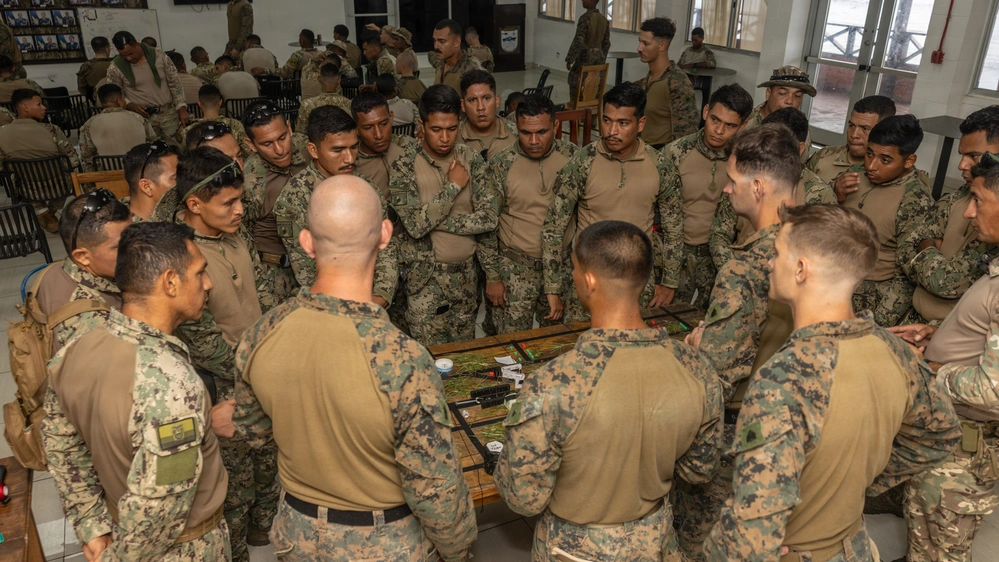
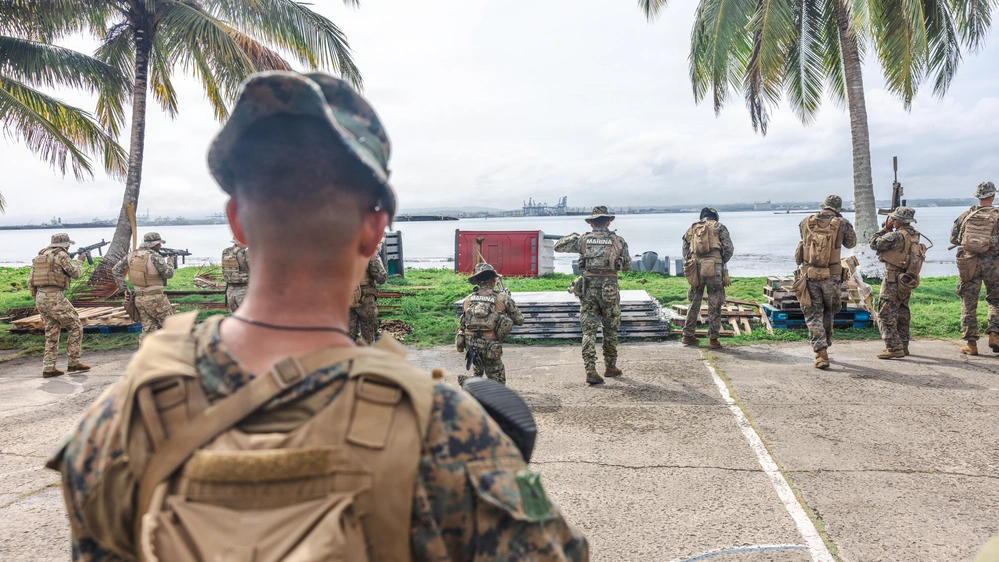
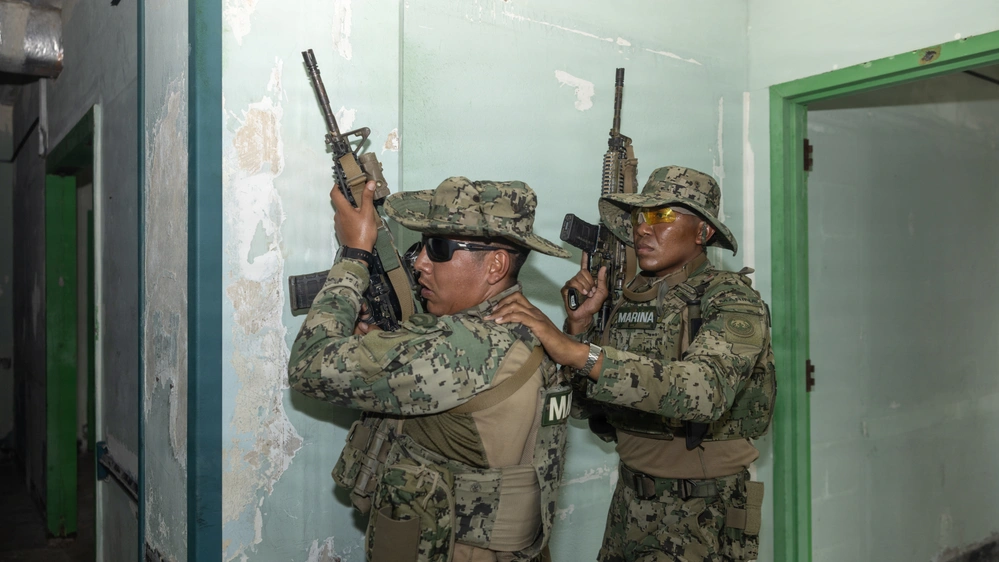
Here are photos of Mexican Marines training with U.S. Marines, Ecuadorian Marines and personnel from the Panamanian Aeronaval Service. The photos follow a sequence of training from August 4th to August 7th:
AUGUST 4th – RAID CLASS :
“A marine with Cuerpo de Infantería de Marina (Mexican marine corps) interacts with U.S. Marines with Bravo Company, 1st Battalion, 6th Marine Regiment, 2nd Marine Division during a raid class as part of PANAMAX 2026 at Base Aeronaval Cristobal Colón, Panama, Aug. 4, 2026.” DVIDS Image 1 of 11 Source: Lance Cpl. Dominic Trujillo, U.S. Marine Corps photo“Leaders with U.S. Marines of Bravo Company, 1st Battalion, 6th Marine Regiment, 2nd Marine Division, Cuerpo de Infantería de Marina (Mexican marine corps), Cuerpo de Infantería de Marina (Ecuadorian marines) and Panamanian Aeronaval Service share stories during a raid class as part of PANAMAX 2026 at Base Aeronaval Cristobal Colón, Panama, Aug. 4, 2026.” DVIDS Image 2 of 11 Source: Lance Cpl. Dominic Trujillo, U.S. Marine Corps photo)“U.S. Marines with Bravo Company, 1st Battalion, 6th Marine Regiment, 2nd Marine Division, marines with Cuerpo de Infantería de Marina (Mexican marine corps), Cuerpo de Infantería de Marina (Ecuadorian marines) and the Panamanian Aeronaval Service conduct a battle plan during a raid class as part of PANAMAX 2026 at Base Aeronaval Cristobal Colón, Panama, Aug. 4, 2026.” DVIDS Image 6 of 11 Source: Lance Cpl. Dominic Trujillo, U.S. Marine Corps photo“U.S. Marine Corps Capt. Evan Turner, the company commander of Bravo Company, 1st Battalion, 6th Marine Regiment, 2nd Marine Division talks to leaders with Cuerpo de Infantería de Marina (Mexican marine corps), Cuerpo de Infantería de Marina (Ecuadorian marines) and Panamanian Aeronaval forces during a brief as part of PANAMAX 2026 at Base Aeronaval Cristobal Colón, Panama, Aug. 4, 2026.” – DVIDS Image 10 of 11 Source: Lance Cpl. Dominic Trujillo, U.S. Marine Corps photo
AUGUST 5th – RAID TRAINING
“U.S. Marines with Bravo Company, 1st Battalion, 6th Marine Regiment, 2nd Marine Division, Infantes of the Cuerpo de Infantería de Marina de Mexico (Mexican marine corps), Cuerpo de Infanteria de Marina Ecuador (Ecuadorian marine corps) and Panama’s Servicio Nacional Aeronaval conduct reload drills at Base Aeronaval Cristobal Colón, Panama, Aug. 05, 2026, as part of PANAMAX 2026.” DVIDS Image 1 of 9 Source: Lance Cpl. Dominic Trujillo, U.S. Marine Corps“U.S. Marine Corps Lance Cpl. Christopher Irizarry, a rifleman with Bravo Company, 1st Battalion, 6th Marine Regiment, 2nd Marine Division observes Cuerpo de Infantería de Marina de Mexico (Mexican marine corps), Cuerpo de Infanteria de Marina Ecuador (Ecuadorian marine corps) and Servicio Nacional Aeronaval personnel conduct reload drills at Base Aeronaval Cristobal Colón, Panama, Aug. 05, 2026, as part of PANAMAX 2026.” DVIDS Image 2 of 9 Source: Lance Cpl. Dominic Trujillo, U.S. Marine Corps photo“U.S. Marine Corps Lance Cpl. Christopher Izizarry, a rifleman with Bravo Company, 1st Battalion, 6th Marine Regiment, 2nd Marine Division discusses procedures with marines with the Cuerpo de Infantería de Marina de Mexico (Mexican marine corps), Cuerpo de Infanteria de Marina Ecuador (Ecuadorian marine corps) and Servicio Nacional Aeronaval during an objective rally point class at Base Aeronaval Cristobal Colón, Panama, Aug. 05, 2026, as part of PANAMAX 2026.” DVIDS Image 5 of 9 Source: Lance Cpl. Dominic Trujillo, U.S. Marine Corps photo“Marines with Cuerpo de Infantería de Marina de Mexico (Mexican marine corps), Cuerpo de Infanteria de Marina Ecuador (Ecuadorian marine corps) and Panamanian Servicio Nacional Aeronaval personnel listen to tactics for an objective rally point class on Base Aeronaval Cristobal Colón, Panama, Aug. 05, 2026, as part of PANAMAX 2026.” DVIDS Image 8 of 9 Source: Lance Cpl. Dominic Trujillo, U.S. Marine Corps photo“U.S Marine Corps Cpl. Rupen Bastajian Jr, a team leader with Bravo Company, 1st Battalion, 6th Marine Regiment, 2nd Marine Division shows his notes to marines with Cuerpo de Infantería de Marina de Mexico (Mexican marine corps) and Panama’s Servicio Nacional Aeronaval during on objective rally point class at Base Aeronaval Cristobal Colón, Panama, Aug. 05, 2026, as part of PANAMAX 2026.” DVIDS Image 9 of 9 Source: Lance Cpl. Dominic Trujillo, U.S. Marine Corps photo
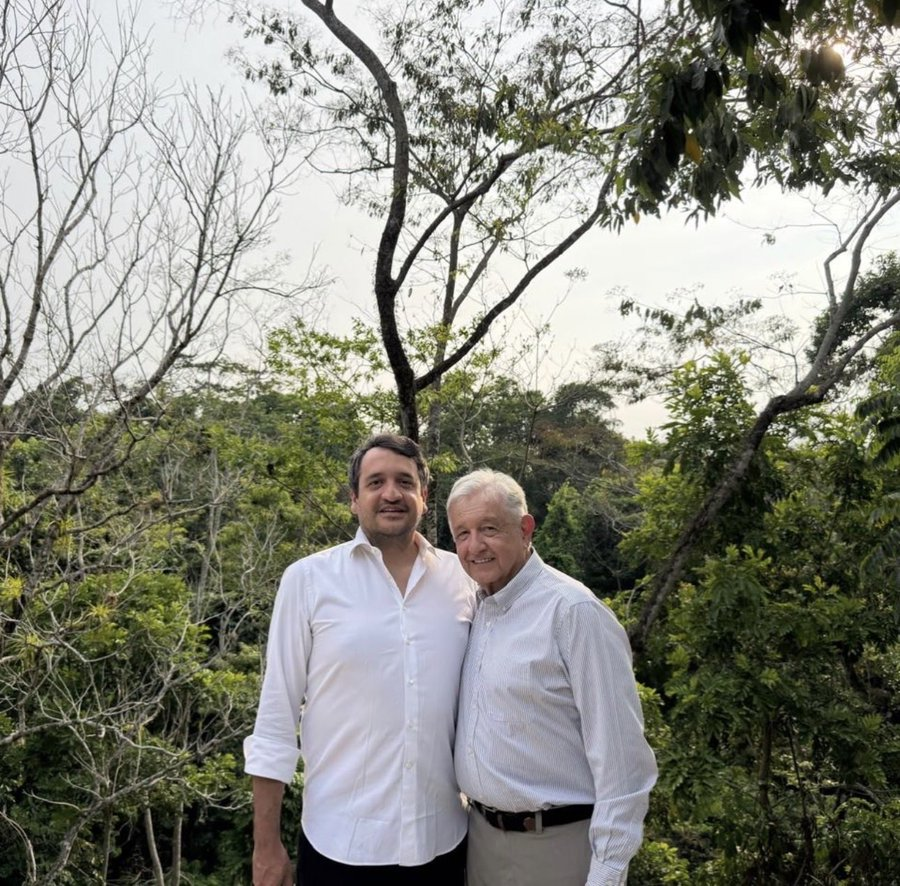
Andres Manuel Lopez Beltran, son of previous Mexican President Andres Manuel Lopez Obrador (2018-2024) has had his visa revoked by the U.S. government.
From The New York Times: “One of the most prominent figures in Mexican politics, a former president’s son, says that the United States has revoked his visa, inflaming tensions between the Trump administration and Mexico’s governing party. On Thursday night [August 13th], the politician, Andrés Manuel López Beltrán, released an angry, three-page letter to President Trump asking him if he knew about the decision to revoke his visa.”
More on the letter later, it’s interesting.
Back to the New York Times: “The State Department has increasingly revoked visas of officials in Latin America, including some whom U.S. officials have later accused of corruption. Mr. López Beltrán has been accused of corruption by his political opponents, but he has denied the allegations and the authorities have never made formal accusations against him.”
In her August 14th press conference, President Claudia Sheinbaum discussed US visa cancellations: “They are not applied consistently across all countries, as they would be if the intent were truly related to crime. This is clearly an act of interference in Mexican politics; I see no other reason.”
It’s true that the Trump administration has revoked a lot of visas. From the New York Times: “The State Department said on Monday [August 10th] that under the Trump administration it had revoked more than 175,000 visas granted to foreign citizens. It said it had rescinded most over criminal accusations, including for drugs, assault and fraud. Yet many visa cancellations have also had a political backdrop. The State Department has said it had revoked visas of people who participated in pro-Palestinian protests or who celebrated the assassination of the right-wing activist Charlie Kirk, for instance. The U.S. government has also revoked visas to target foreign leaders, ambassadors and other officials, as well as judges and journalists — while reinstating visas for some like-minded allies. The State Department has explicitly said it was using the threat of canceling visas as part of its strategy to exert more control over Latin America.“
What about the cancellations of visas issued to Mexicans?
“The State Department has canceled the visas of Mexican governors, federal and state legislators, and mayors in states along the northern border. Because of the confidentiality of visa records, the State Department rarely discusses details. But of the known cases in Mexico, a majority of those with visa restrictions are members of Morena. [MORENA is the ruling party]. Several of those affected have said publicly that their visa restrictions stem from administrative issues, not direct accusations against them. In the past, the U.S. government had pulled the visas of former Mexican governors, but only after they had left office. Those measures usually followed — or preceded — sanctions for cartel corruption or federal indictments for racketeering and money laundering.”
OK, but remember that no non-American citizen has the right to enter or reside in the United States. It is a privilege granted by the U.S.A. (Just as any other nation, including Mexico, has the right to manage its own immigration.)
In recent years, however, the idea that everybody in the world has a right to enter the U.S.A. has become popular.
That idea is very strong in Mexico. Many well-off Mexicans believe they have a right to a U.S. visa.
As for Lopez Beltran’s public letter to Trump, you’d think he might be more conciliatory in hopes of convincing the U.S. to restore his visa.
But instead of working behind the scenes and trying to get his visa restored, Lopez Beltran moved quickly to make a public case out of it, maybe for political reasons.
Here are some excerpts of the letter from Lopez Beltran to President Trump
“It is evident that this is a political decision, or rather, demagogic or propagandistic, of Hitlerian style, as there is no reason that justifies this action.”
“Hitlerian style”? What does Hitler have to do with this?
Later in the letter Lopez Beltran says that the U.S. is in such a terrible situation that he’s glad he’s not going there. Well, then what’s the problem?
“Of course, Mr. President, it’s not a problem for me to not visit the United States in these decadent and lamentable times of hatred, racism, drug addiction, family disintegration, social discontent and sadness and I can hope that things will change and there will be favorable circumstances as when Abraham Lincoln and Franklin Delano Roosevelt governed, those giants of liberty who treated Mexico and its people with authentic friendship and respect for its sovereignty.”
Lopez Beltran asks Trump if he knows what’s going on with his visa. If Trump didn’t know what’s going on, and it’s only “a sick conservative phobia against the MORENA party and its leaders, why not fire Rubio and [Deputy Secretary of State Christopher] Landau…?”
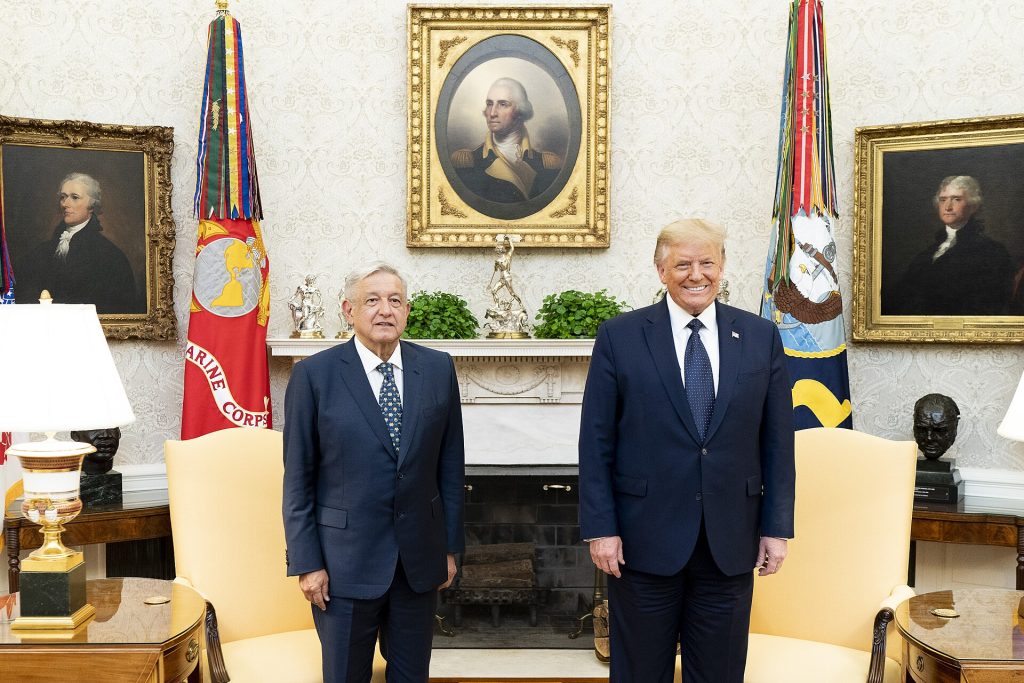
Interestingly, when Lopez Beltran’s father Andres Manuel Lopez Obrador was President of Mexico at the same time Trump was U.S. President (2018-2021) the two got along famously. In the letter, Lopez Beltran quotes his father as saying that the Trump of today is “apathetic and different” than he was then.
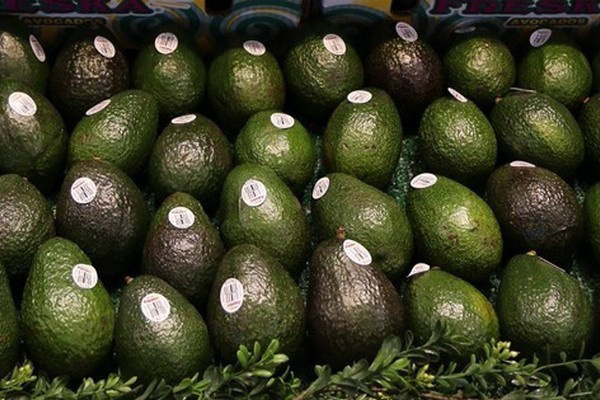
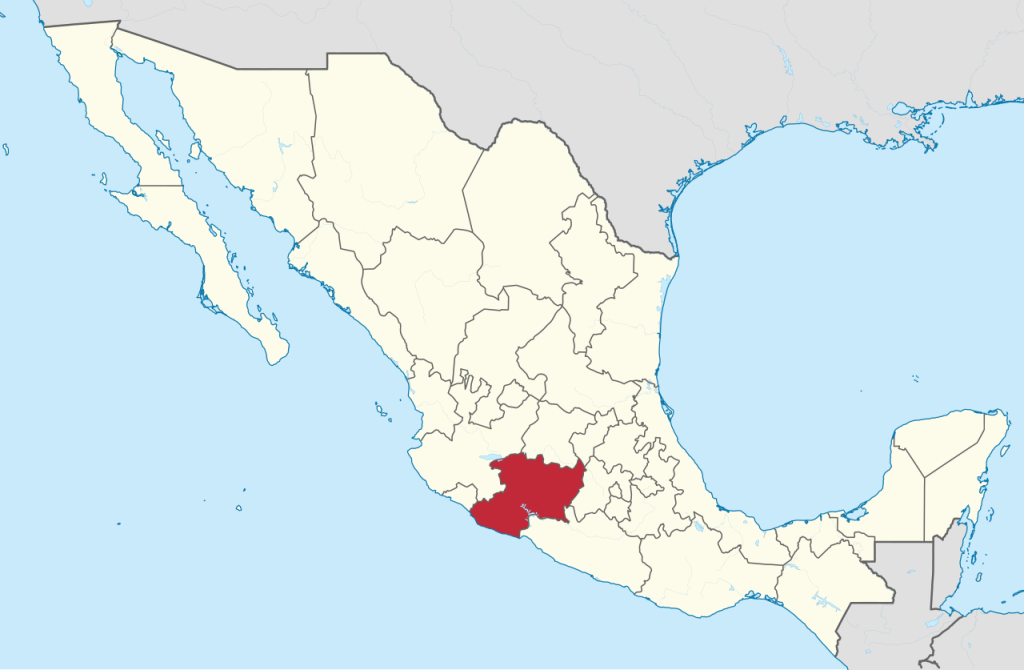
The problem is, Michoacan is a state with a lot of drug cartel activity, including cartel involvement in the avocado business.
On August 5th, the U.S. announced a cessation of activities in the state, which would include the mandatory U.S. inspections in order to export the avocados.
According to Mexico News Daily, “The embassy statement announcing the suspension did not reveal the nature of the threat, but President Sheinbaum has since said that the suspension followed a meeting at the U.S. embassy related to threats against some of the inspectors hired by the United States to monitor sanitary quality. A meeting scheduled for the following day with an organization of avocado producers revealed that there had been an increase in extortion cases in certain regions of Michoacán.”
This threat to Michoacan’s export crop brought rapid measures. Both the federal Mexican government and Michoacan’s state government moved quickly to improve security in the state.
On August 7th, a statement from the U.S. Embassy in Mexico announced a partial restart of activities in the Mexican state of Michoacan. [See here].
An August 10th Mexico News Daily article was entitled Most avocado exports to the US have resumed after last week’s suspension. That article said that “Approximately 75% of avocado packing facilities in Mexico’s Michoacán state have been cleared for export following a pause in the avocado trade with the United States over security concerns, Julio Berdegué, Mexico’s advisor for international agri-food affairs and strategic issues under the USMCA, announced on Saturday [August 8th]. The re-approved facilities handle roughly 85% of Michoacán’s avocado exports and the rest will be restored soon, according to Berdegué.”
And, “Exports resumed from the municipalities of Tancítaro, Tacámbaro and Uruapan, as well as the area between Morelia and Pátzcuaro, on Saturday.”
To be clear, it would take a stoppage of over 10 days to really stop the state’s exports to the U.S.
From freshplaza.com: ” ‘The pause didn’t last that long. From what I understand, they’re back to work now,’ says Gary Clevenger of Freska Produce International. ‘There was too much inventory in the pipeline that it really wouldn’t affect things unless it lasted longer than seven to 10 days. Then you probably would have seen supply get tighter and prices go up but we’re not really seeing that.’ “
According to Mexico News Daily, “To prevent future security issues, the Mexican government has established a permanent working group to monitor security in the region and prevent extortion of producers.”
The Mexican state of Michoacan is the main source of avocado exports to the United States. However, it is also a state with a lot of drug cartel activity, including cartel involvement in the avocado business. See two recent articles on the situation, here and here.
On August 5th, the U.S. government announced a suspension of U.S. government activities there, which would include the very important U.S. inspections of avocados, a requirement in order for them to be exported to the United States.
According to Reuters, “A Michoacan government official told Reuters on Thursday [August 6] that authorities believed the U.S. security alert may have been triggered by violence following the arrest of alleged cartel leader Alfonso Fernandez Magallon. The official said authorities had also received unconfirmed reports that a U.S. Department of Agriculture inspector may have been threatened.”
On August 7th, a statement from the U.S. Embassy in Mexico announced a partial restart of activities in the Mexican state of Michoacan.
The embassy statement is entitled “Partial Resumption of U.S. Government Activities in Michoacán Following Continued Security Coordination with Mexico”. It’s attributed to Ambassador Ron Johnson.
From the embassy statement: “Based on the commitments undertaken by the Government of Mexico, the security measures implemented in Michoacán, and our ongoing assessments of conditions on the ground, the United States Government will partially resume official activities in Tancitaro, Tacámbaro, Uruapan, and the area between Morelia and Patzcuaro as of August 8, 2026…We will continue to evaluate conditions and adjust our operations as appropriate. A secure agricultural sector benefits both of our nations by securing food production, strengthening supply chains, and supporting economic prosperity.”
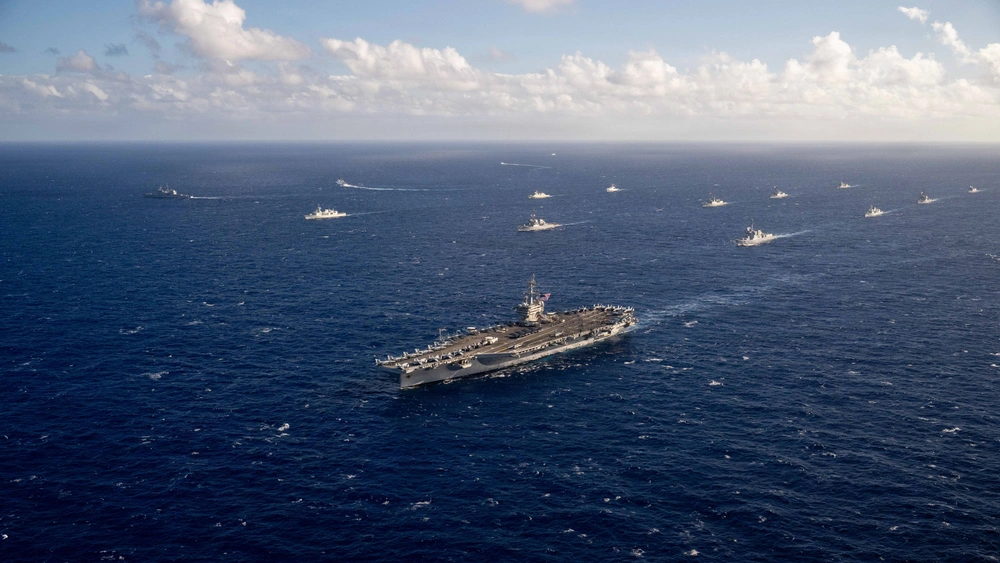
RIMPAC stands for “Rim of the Pacific Exercise”. It’s the world’s biggest international maritime military exercise. RIMPAC is based in Hawaii and is hosted and run by the U.S. Indo-Pacific Command, which has its headquarters at Pearl Harbor. It’s a biennial exercise, held every other year.
RIMPAC 2026 was held from June 24th to July 31st. It was a massive event, involving military personnel, vessels and equipment from the militaries of 30 nations.
Here’s the summary from the U.S. Navy Third Fleet website: “Thirty nations, 30 surface ships, five submarines, 15 national land forces, more than 197 aircraft, and more than 30,000 personnel participated in RIMPAC in and around the Hawaiian Islands from June 24 to July 31. As the world’s largest combined and joint maritime exercise, RIMPAC provides a unique training opportunity that strengthens interoperability and fosters trust, cooperation, and shared values among allies and partners. These relationships contribute to the security of sea lanes and support a free and open Indo-Pacific. RIMPAC 2026 marked the 30th exercise in the series, which began in 1971.”
The 30 countries participating in RIMPAC 2026 were Australia, Brunei, Canada, Chile, Colombia, Denmark, Fiji, Germany, Greece, Guatemala, India, Indonesia, Israel, Italy, Japan, Malaysia, Mexico, Netherlands, New Zealand, Peru, Philippines, Poland, Republic of Korea (South Korea), Singapore, Spain, Sri Lanka, Thailand, Tonga, United Kingdom, United States.
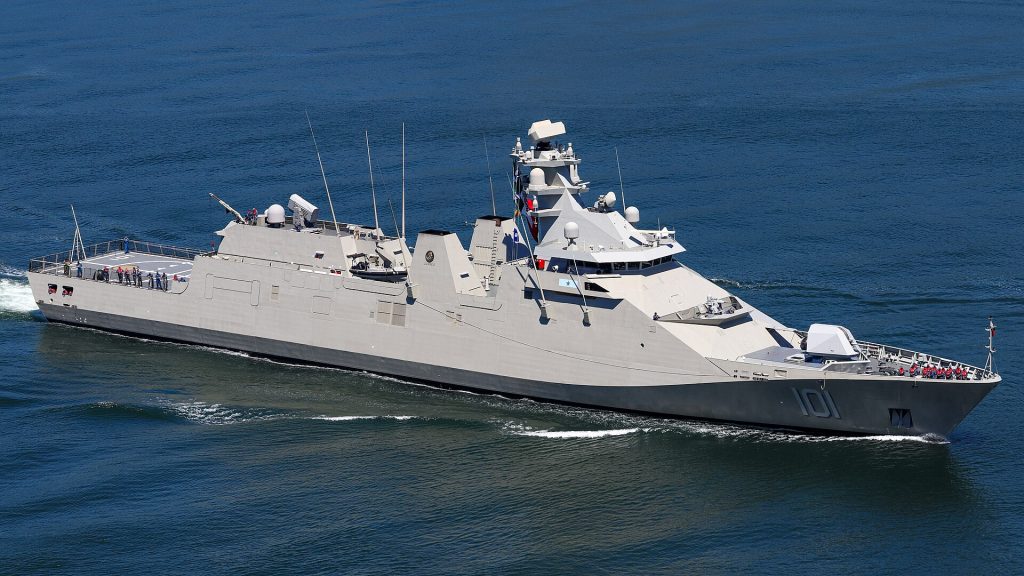
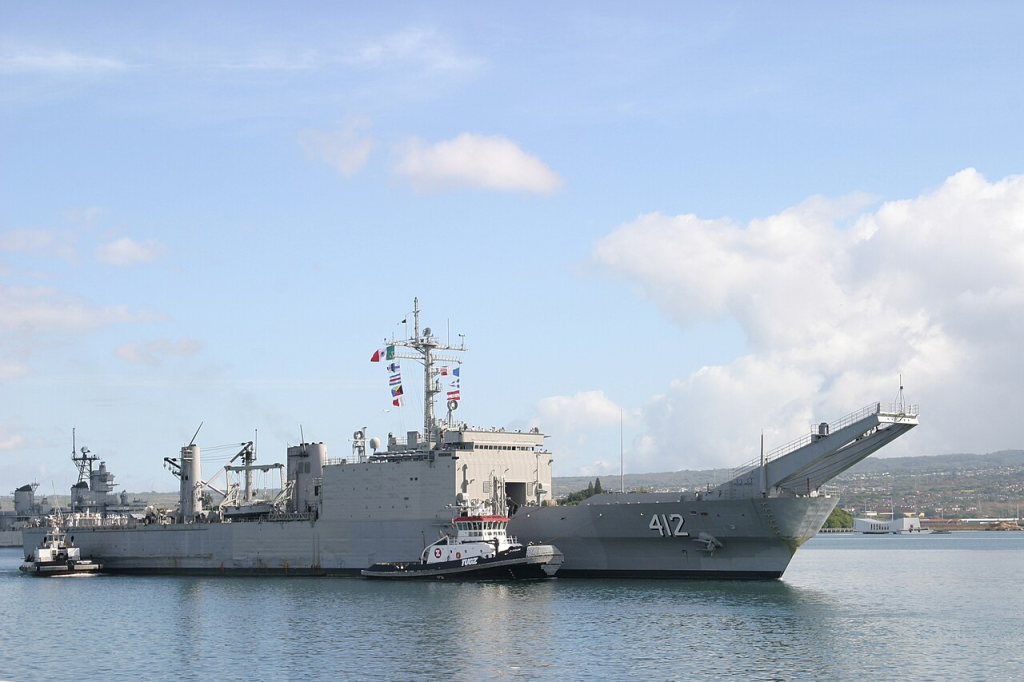
The Mexican Navy brought two ships to RIMPAC: ARM Benito Juárez and ARM Usumacinta.
The ARM prefix stands for Buque de la Armada de México (Ship of the Mexican Navy). It’s equivalent to USS in the U.S. Navy or HMS in the Royal Navy.
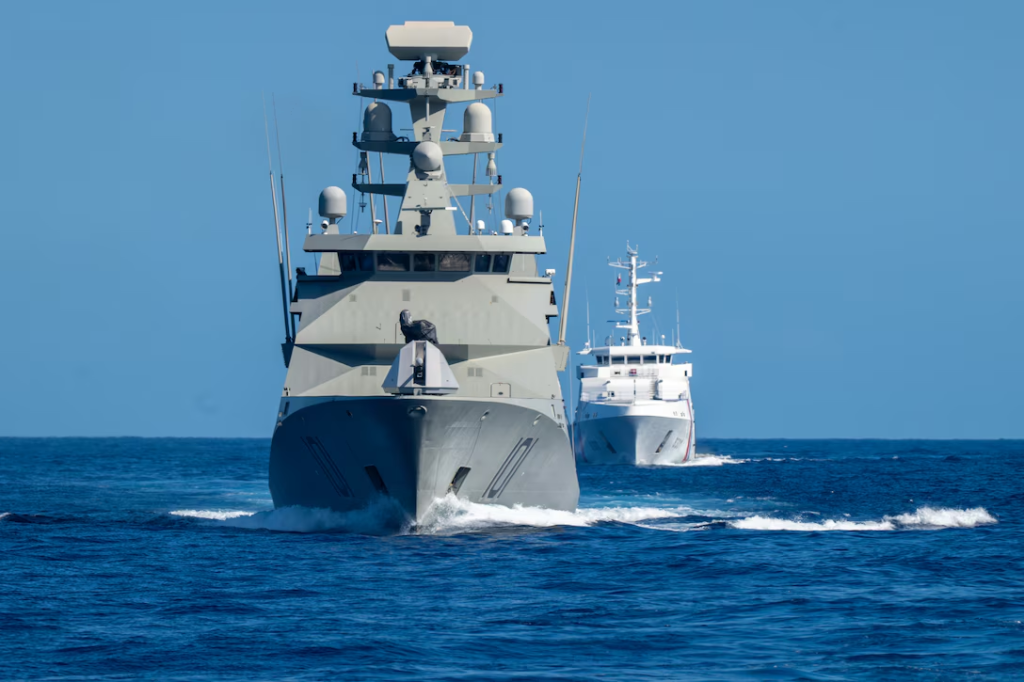
ARM Benito Juárez is a “long-range ocean patrol ship” (Patrulla Oceánica de Largo Alcance / POLA in Spanish). It was constructed in the Netherlands and in Mexico at a Mexican Naval shipyard in Salina Cruz, Oaxaca. The vessel was commissioned in 2020. Here’s a photo:
The ARM Usumacinta was originally the USS Frederick in the U.S. Navy, an LST (Landing Ship, Tank), designed to transport tanks, other vehicles and cargo. The USS Frederick was commissioned in 1970, seeing service in the Vietnam War and the Persian Gulf War. It was decommissioned in 2002 and purchased by the Mexican Navy and commissioned the same year, as the ARM Usamacinta.
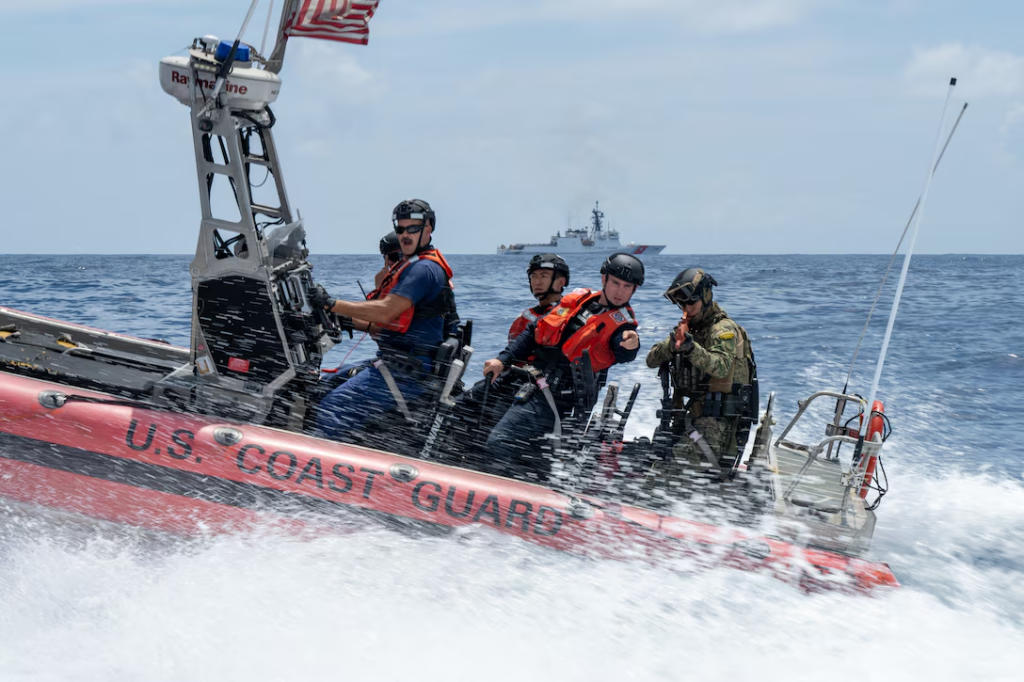
Here’s the description of the photo below from the U.S. Coast Guard website: “U.S. Coast Guard Chief Petty Officer Matthew Jacobs, a boatswain’s mate, drives the Legend-class cutter USCGC Kimball’s over-the-horizon small boat while Ensign Jonathan Barrett, a law enforcement officer, provides instruction to member of the Mexican Naval Infantry during pursuit training in the Pacific Ocean as part of Exercise Rim of the Pacific 2026, July 12, 2026.”
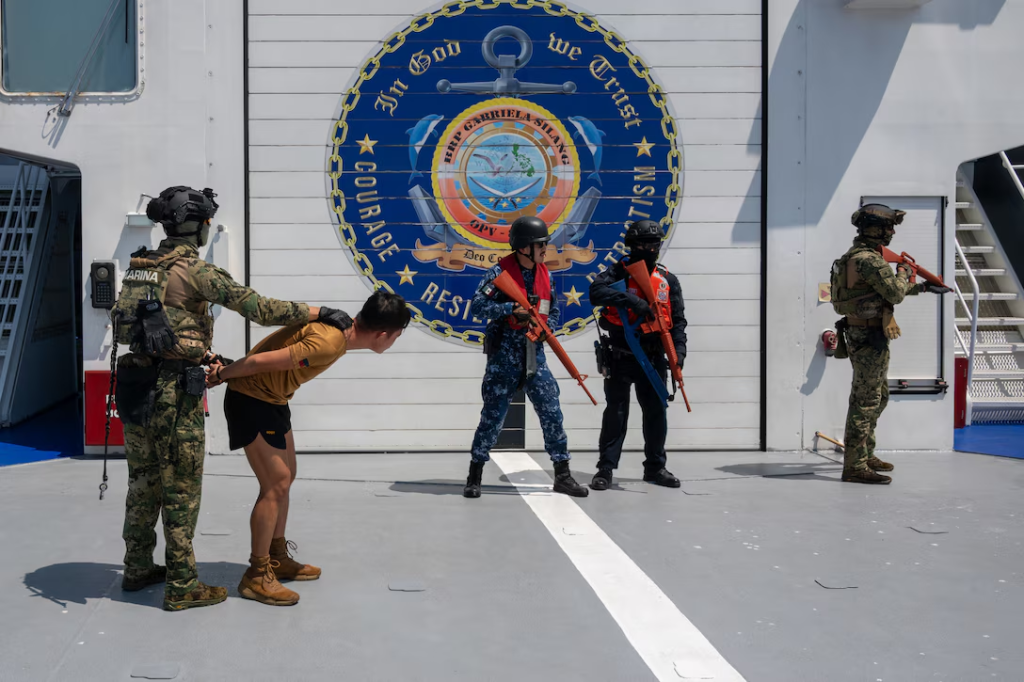
The next photo portrays U.S./Mexican/Philippine “non-compliant vessel boarding training” [U.S. Coast Guard website] . Don’t worry, it’s just training:
From U.S. Coast Guard website: “A Mexican marine is seen with a detained Philippine coast guardsman while a Mexican sailor, U.S. Coast Guard Ensign Jonathan Barrett, a law enforcement officer, and another Mexican marine provide cover during non-compliant vessel boarding training on Philippine Coast Guard Gabriela Silang-class offshore patrol vessel BRP Gabriela Silang (OPV 8301) in the Pacific Ocean, July 20, 2026. “ Source: Petty Officer 2nd Class Ryan Graves, U.S Coast Guard
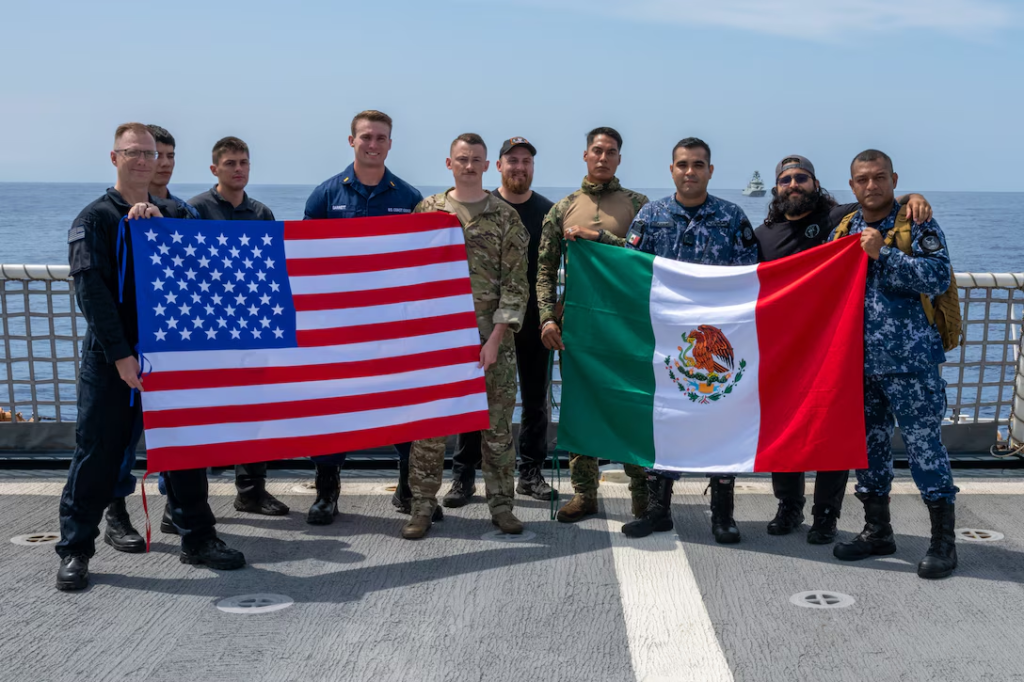
From caption of next photo, U.S. Coast Guard website: “U.S. Coast Guardsmen, Mexican Naval Infantry and Mexican sailors pose with their respective country’s flags aboard U.S. Coast Guard Legend-class cutter USCGC Kimball (WMSL 756) during Exercise Rim of the Pacific 2026 in the Pacific Ocean, July 12, 2026.”
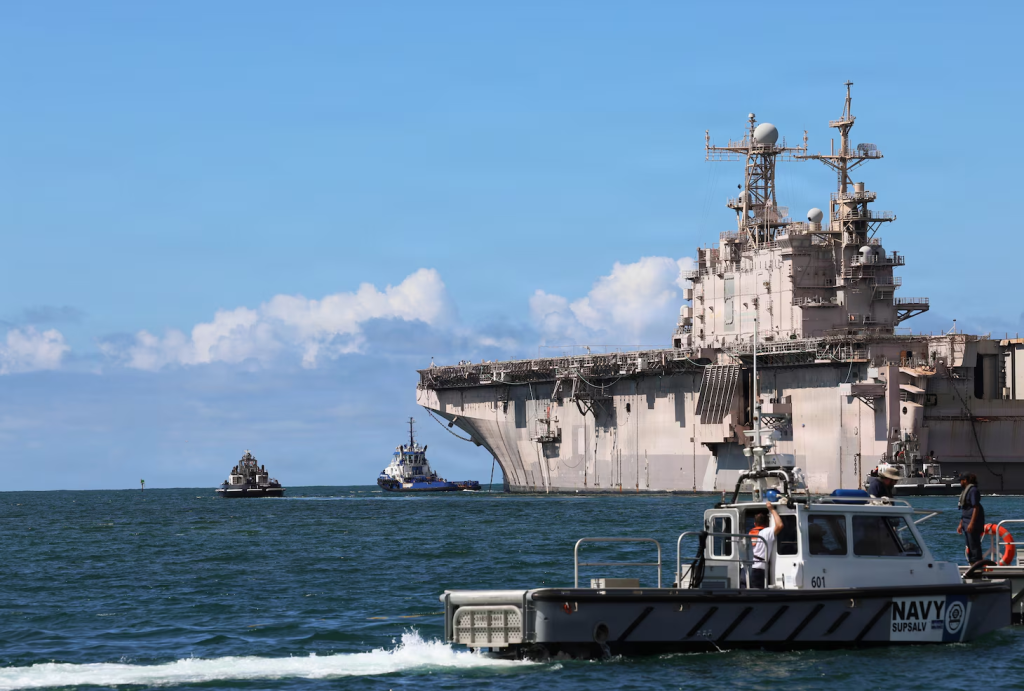
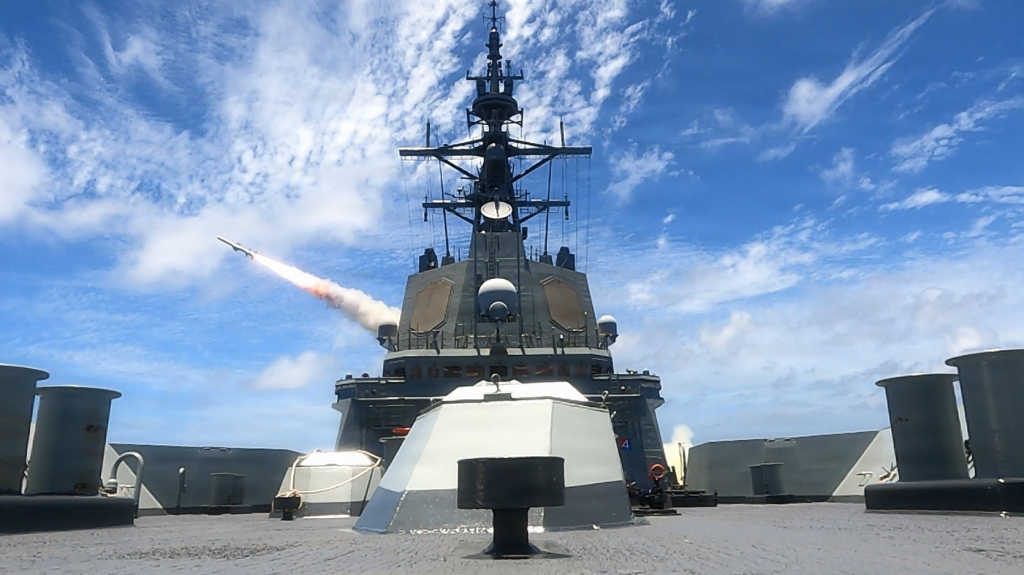
SINKEX, the planned sinking of decommissioned vessels, was part of RIMPAC. From the U.S. Third Fleet website: “Ships and aircraft participating in exercise Rim of the Pacific (RIMPAC) 2026 conducted a planned, live-fire sinking exercise (SINKEX) and sank decommissioned USS Mobile Bay (CG 53), July 12, 2026, and decommissioned USS Peleliu (LHA 5), July 17. Mobile Bay and Peleliu were sunk in waters 15,000 feet deep, more than 50 nautical miles off the northern coast of the island of Kauai…During the SINKEXs, participating units from Australia, Canada, Italy, Japan, New Zealand, Spain and the U.S. Navy, Air Force, and Army gained proficiency in tactics, targeting and live-firing against a surface ship at sea. Live-fire exercises deliver hands-on, realistic training that sharpens partner nations’ capabilities to coordinate, plan and execute sophisticated maritime operations, including precision targeting and strike capabilities.”
The decommissioned USS Peleliu taken out in order to be sunk:
As for the decommissioned USS Mobile Bay, the final strike that sunk it was from a torpedo launched by a Royal Canadian submarine. Click here for a video.
It looks as though a good time was had by all.
Click here for a a cool video about RIMPAC 2026, at the top of the page.
















.svg)


.jpg)
.svg)
#/media/File:ARM_Benito_Ju%C3%A1rez_in_2025.jpg)
#/media/File:US_Navy_030723-N-3228G-001_Mexican_Navy_ship_Usumacinta_(A-412),_formerly_USS_Frederick_(LST-1184),_arrives_in_Pearl_Harbor_for_a_10-day_port_visit.jpg)